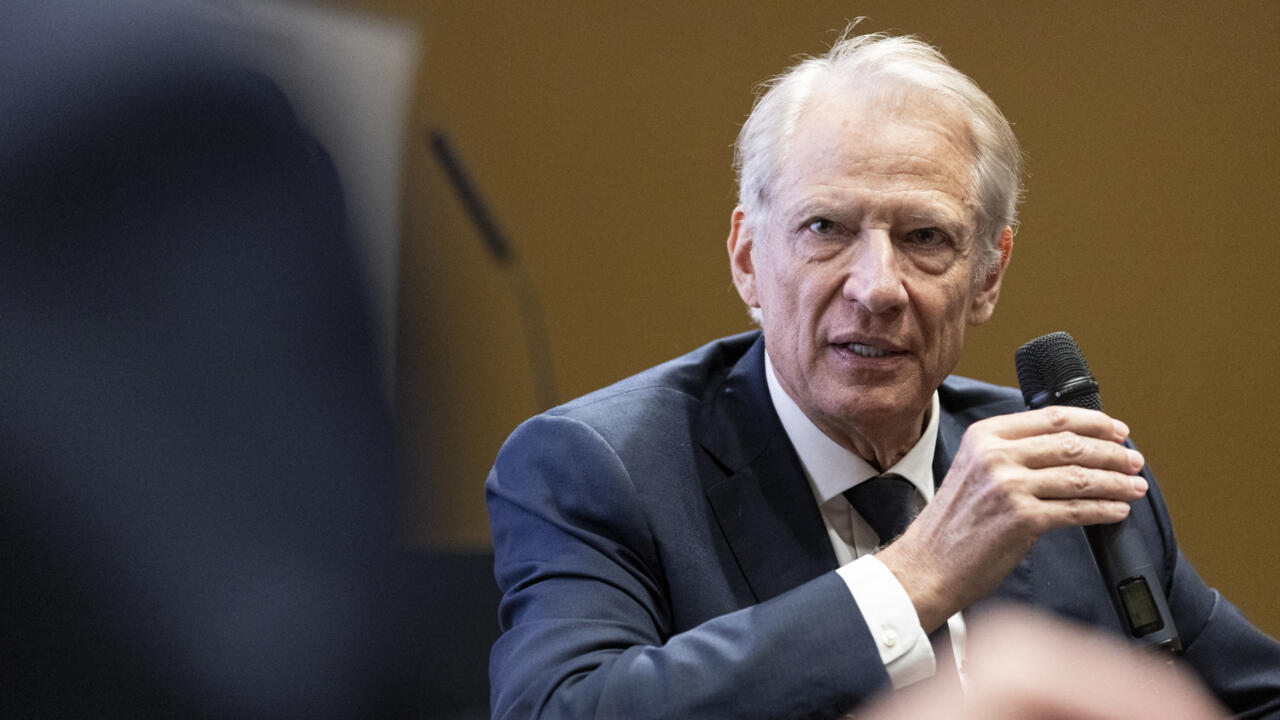
France’s former prime minister Dominique de Villepin is set to announce a presidential bid in 2027. Source: france24.com.
De Villepin, who served as foreign minister under former president Jacques Chirac during France’s opposition to the 2003 U.S.-led invasion of Iraq, will launch his campaign at a press conference in Paris on Friday.
What Happened
De Villepin’s team has scheduled a press event at the Maison de l’Amerique Latine in Paris. This cultural and diplomatic institution was founded by General Charles de Gaulle.
The event will mark the formal start of his campaign for the 2027 French presidential election.
Key Facts
- De Villepin will position himself as a counter to three major political forces: the far-right National Rally, the left-wing France Unbowed, and the centre-right Macronist movement.
- His team claims these groups have caused France’s political ‘decay’ and calls for a campaign of ‘renewal’.
- He has not yet officially confirmed his candidacy, though campaign preparations are underway.
- He has secured pledges from 300 mayors, still below the 500 required to run in French presidential elections.
- His opposition to Israel’s military campaign in Gaza has drawn attention from younger, more left-leaning voters.
- Current polling places De Villepin between one and three percent — a small share of the electorate.
Background
De Villepin played a key role in France’s diplomatic stance against the Iraq War in 2003.
Since leaving office, he has built a public profile through books, speeches, and social media. He founded the political party Humanist France to promote a centrist, independent foreign policy.
He has never been elected to public office. In 2012, he was blocked from running due to insufficient mayoral signatures.
Why It Matters
De Villepin’s entry adds complexity to a crowded 2027 presidential field.
His appeal to younger voters reflects a shift in political engagement — especially among those critical of far-right and centrist policies.
His stance on the Gaza conflict has drawn significant attention, though it remains unclear if it will lead to electoral support.
Limitations and Open Questions
Despite his experience and influence, De Villepin faces major hurdles.
His polling numbers are low. There is no sign of strong grassroots support or media reach.
His platform focuses on criticizing political forces, not offering clear policy solutions.
His ability to unite voters across party lines remains unproven.
What to Watch Next
De Villepin’s campaign will be closely watched as he builds support in a fragmented political landscape.
His public speaking events and progress in collecting mayoral signatures will be key signs of viability.
Any developments will help shape the future of French political competition in 2027.
For more on the 2027 French presidential race, see Eric Zemmour’s entry into the race.
For a related international incident, see Spain train crash and political fallout.
De Villepin’s campaign remains a potential development in France’s political future — but one that still faces substantial challenges.
Sources & further reading
Featured image: original publisher image. Via original publisher. Image source