DoorDash has agreed to acquire Instacart for $17 billion in a move that expands its delivery ecosystem beyond food into grocery services. Source: wsj.com.
What Happened
DoorDash announced a $17 billion acquisition of Instacart, a leading U.S. grocery delivery service. The deal, first reported by The Wall Street Journal, aims to combine DoorDash’s food delivery network with Instacart’s grocery logistics.
The transaction is expected to close in the coming months, pending regulatory approvals. Both companies operate in overlapping markets, with consumers increasingly relying on on-demand delivery for daily essentials.
Key Facts
- DoorDash is acquiring Instacart for $17 billion — a significant valuation reflecting the scale of both businesses.
- The combined service would offer food and grocery delivery through a single platform.
Background: How the Services Work
DoorDash connects restaurants and consumers through a digital marketplace. Users select items, and drivers deliver them within minutes.
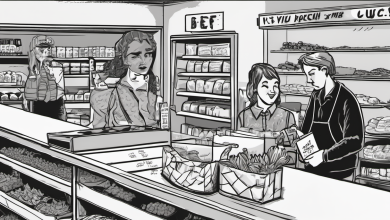
Instacart allows users to order groceries from local stores, often with a shopper who picks items and delivers them.
Both platforms rely on a network of third-party delivery partners. They use real-time data to match orders with available drivers.
Why It Matters
Consumers now face fewer choices when it comes to on-demand delivery. The merger could consolidate the market, reducing competition and potentially raising prices.
Analysts say the deal reflects a broader trend: companies are merging to offer bundled services. This could reshape how people access daily essentials.
It also signals confidence in the on-demand economy. As more services move online, consolidation may become the norm.

Limitations and Open Questions
There is no public statement from either CEO about the deal’s long-term goals. The Wall Street Journal notes that the transaction has not yet been approved by regulators.
Some industry experts express concern about reduced competition. They warn that the combined entity could dominate the delivery market.
Also, the integration of two different delivery models — food and groceries — may face operational challenges. Drivers may need to switch between different types of orders.
There is no clear timeline for when the full integration will occur. The process may take months or even years.
What to Watch Next
Regulatory scrutiny will be key. Antitrust authorities may examine whether the merger reduces competition in food and grocery delivery.
Consumer responses will also matter. Users may face changes in pricing, delivery times, or service quality.
Finally, the success of the combined service will depend on how well the two platforms can integrate their technology and operations.
For now, the deal remains a major development in the on-demand economy. It shows how companies are adapting to evolving consumer habits.
Sources & further reading
Featured image: original publisher image. Via original publisher. Image source