A new study has quantified how drained peatlands contribute to global warming. Land use change—especially wetland drainage—has added a few percent to total human-caused warming since 1800.
What Peatlands Are and Why They Matter
Peatlands are wetlands like bogs and fens where organic material builds up over centuries. These ecosystems store vast amounts of carbon—more than all living vegetation on Earth.
Peatlands are water-saturated. This lack of oxygen slows decomposition. In aerobic environments, bacteria quickly break down organic matter and release carbon dioxide (CO₂). In peatlands, decomposition is slow. Most organic material stays preserved. Only a small amount turns into methane (CH₄), a stronger greenhouse gas than CO₂.
How Draining Peatlands Changes Emissions
When peatlands are drained—often with ditches or canals—the water level drops. This exposes peat to oxygen. Aerobic bacteria then begin to decompose organic material rapidly.
This process releases large amounts of CO₂. Methane emissions drop because anaerobic bacteria are suppressed. But CO₂ emissions rise much more. The net result is a stronger greenhouse effect. Peatlands shift from carbon sinks to carbon sources.
Estimating Historical Emissions
A team led by Jevan Yu at MIT used field data on gas emissions to build a global model. The model tracks how emissions have changed over time due to drainage.
The model calculates Earth’s energy budget—the overall greenhouse effect. It combines CO₂ warming and reduced methane cooling.
In 2020, drained peatlands added +73 milliwatts per square meter to Earth’s energy budget.
That highlights the scale of past degradation.
Regional Breakdown of Emissions
Europe accounts for over half of the CO₂ emissions. This comes from historical farming and drainage for crops.
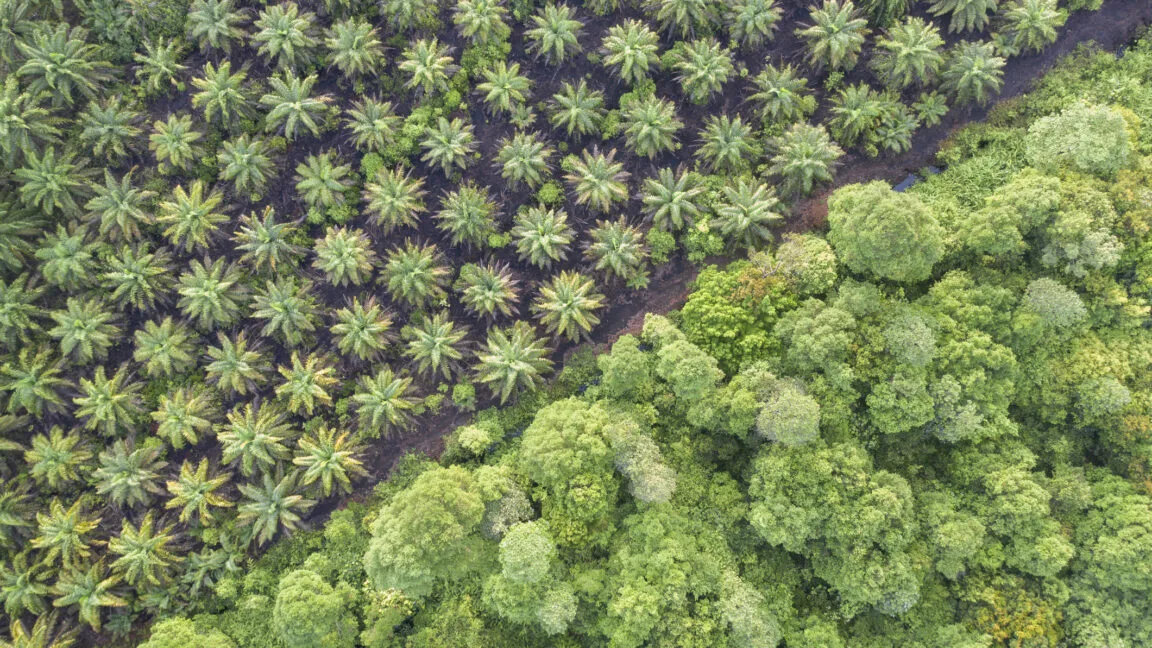
Southeast Asia contributes nearly a quarter. Emissions rose sharply in the last few decades, likely due to palm oil and plantations.
North America has a smaller share. This shows regional differences in how and when peatlands were drained.
Future Projections and Restoration Potential
If water levels stay the same from 2020 to 2100, greenhouse warming from drained peatlands would nearly double—reaching 138 milliwatts per square meter.
Even moderate restoration—like re-flooding drained areas—could slow this rise. In some cases, strong restoration might reduce warming below 2020 levels.
Full reversal of past drainage is unlikely. But the process is slow. Emissions will keep rising for decades.
Limitations and Open Questions
The study uses current emissions data and historical reconstructions. It doesn’t cover all peatland types. Tropical peatlands may decompose faster or face more fire or drought risks.
It doesn’t include feedbacks. For example, warming could speed up decomposition. Land use could shift over time. Past water-level records may be incomplete or biased.
Uncertainties remain in how accurately past changes were measured. Future restoration outcomes are also unclear. Still, the research gives a solid view of peatland degradation and restoration benefits.
The research is published in Nature (2026), with DOI: 10.1038/s41586-026-11339-0.
For more on this research, see the original article at Ars Technica.
Draining peatlands is not just a past issue. It still shapes climate outcomes. Restoring these ecosystems could slow or even reverse some warming effects we’ve already seen.
Sources & further reading
Featured image: overhead view of the border between an orderly planted array of crop trees and a chaotic jungle canopy.. Via original publisher. Image source