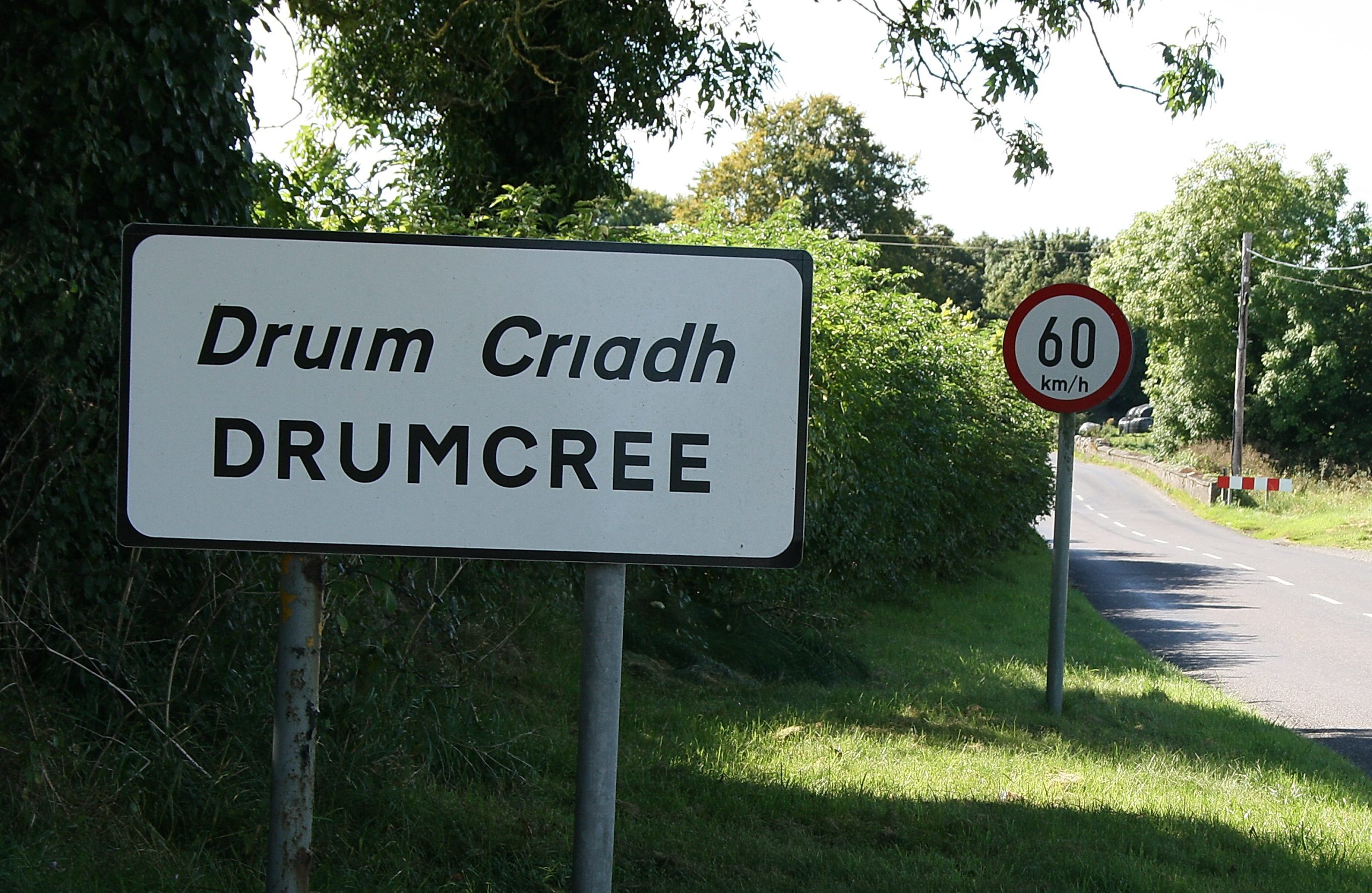
Chief Constable Jon Boutcher addressed the Policing Board about the ongoing Drumcree policing operation, describing the situation as ‘challenging’ and noting that no acts of violence have been reported. The board heard that, following complaints, it has launched a code-of-conduct investigation into one of its members, Sinn Féin’s Deirdre Hargey.
What Happened at the Policing Board Meeting
The meeting convened to review the progress of the ongoing Drumcree policing operation. Chief Constable Boutcher spoke about the situation, acknowledging the complexity of the environment while emphasizing that, despite significant community tensions, no acts of violence have been reported during the operation.
Boutcher described the environment as ‘challenging’—a characterization that captures both the logistical demands and the emotional undercurrents of the dispute. The presence of large numbers of participants, the historical significance of the event, and the deep-rooted identities of the communities involved all contribute to a situation that requires sustained and sensitive management.
Key Facts from the Report
- A code-of-conduct investigation has been launched into Sinn Féin member Deirdre Hargey.
- Hargey was pictured taking part in an unlawful protest on the Garvaghy Road in Portadown on Sunday.
- The Policing Board is reviewing the incident under its code-of-conduct procedures, with a focus on adherence to public standards of behavior during community events.
Background: The Drumcree Parading Dispute
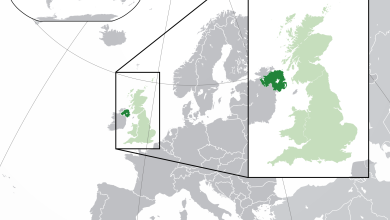
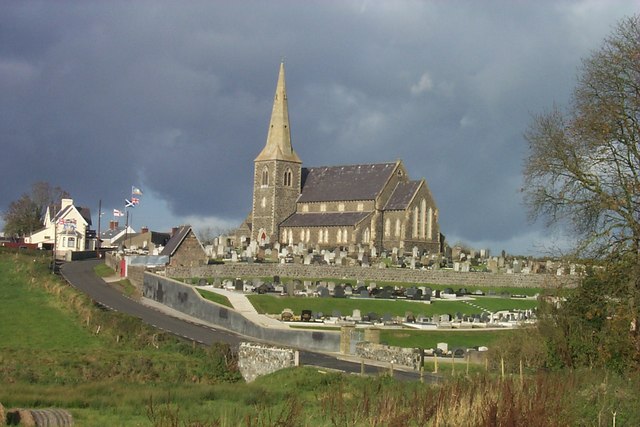
The Drumcree parading dispute is a long-standing issue in Northern Ireland that dates back to the 1960s. It centers on the annual parade held in the Drumcree area of Portadown, a town in County Armagh. The parade is traditionally associated with the Orange Order, a Protestant fraternal organization that has historically organized parades to commemorate the Battle of the Boyne.
For decades, the route of the parade has been a point of contention, particularly with the nearby community of the Catholic and nationalist population, who have expressed concerns about the parade’s impact on public safety, property damage, and the disruption of daily life.
These concerns have been amplified over time, especially in the context of Northern Ireland’s complex political and sectarian history. The dispute is not merely about a parade—it is a symbol of broader community divisions, identity politics, and the legacy of conflict that continues to shape social relations in the region.
Investigation into Deirdre Hargey
Following the incident on Garvaghy Road, the Policing Board has initiated a formal investigation into Deirdre Hargey, a member of Sinn Féin. The footage shows her participating in a protest that was deemed unlawful by the authorities.
The investigation will assess whether her actions violated the code of conduct for public figures and participants in community events. This includes evaluating whether her behavior was appropriate given the context of a high-tension environment and whether it contributed to a perception of hostility or disruption.
Public figures, especially those with political affiliations, are expected to uphold standards of conduct that promote community cohesion. The investigation may also examine whether the protest was part of a coordinated effort or how it was perceived by local residents and other stakeholders.
Limitations and Open Questions
While the BBC report provides a clear account of the events, it does not offer details on the outcome of the investigation or whether any disciplinary action will follow. This lack of transparency raises questions about accountability and public trust in institutional processes.
There is no information on the broader context of the protest—whether it was a spontaneous act or part of a larger political strategy. Additionally, the public perception of such actions can vary significantly depending on the community, and media coverage may shape how these events are interpreted.
Another open question is whether the Drumcree dispute will continue to be a flashpoint for future tensions. If the current operation is seen as a model for managing such disputes, it could inform future policy. However, if it is perceived as an overreaction or a failure to engage with community concerns, it may erode public confidence in the policing structure.
Broader Implications for Community Policing in Northern Ireland
The Drumcree case illustrates the evolving role of policing in Northern Ireland. As communities become more diverse and identities more fluid, policing must adapt to meet both legal and social expectations.
Effective community policing requires more than just enforcement—it demands active engagement, transparency, and a commitment to dialogue. The situation highlights the role of policing in mediating long-standing social conflicts. In Northern Ireland, where historical grievances remain deeply embedded, the police are not just enforcers of law—they are also key actors in community dialogue and trust-building.
What to Watch Next
Listeners and readers should monitor updates from the Policing Board and official statements from Sinn Féin. Public attention may grow if the investigation leads to formal findings or disciplinary outcomes.
Continued community engagement will be critical to preventing future escalations. The Drumcree dispute is not an isolated incident—it is part of a larger pattern of community tensions that require sustained, thoughtful, and inclusive solutions.
Source: BBC News, https://www.bbc.co.uk/news/articles/c3grvr99l4ywo?at_medium=RSS&at_campaign=rss
Sources & further reading
Featured image: IMG Drumcree2941.jpg by Sarah777 at English Wikipedia, Public domain, via Wikimedia Commons. Image source