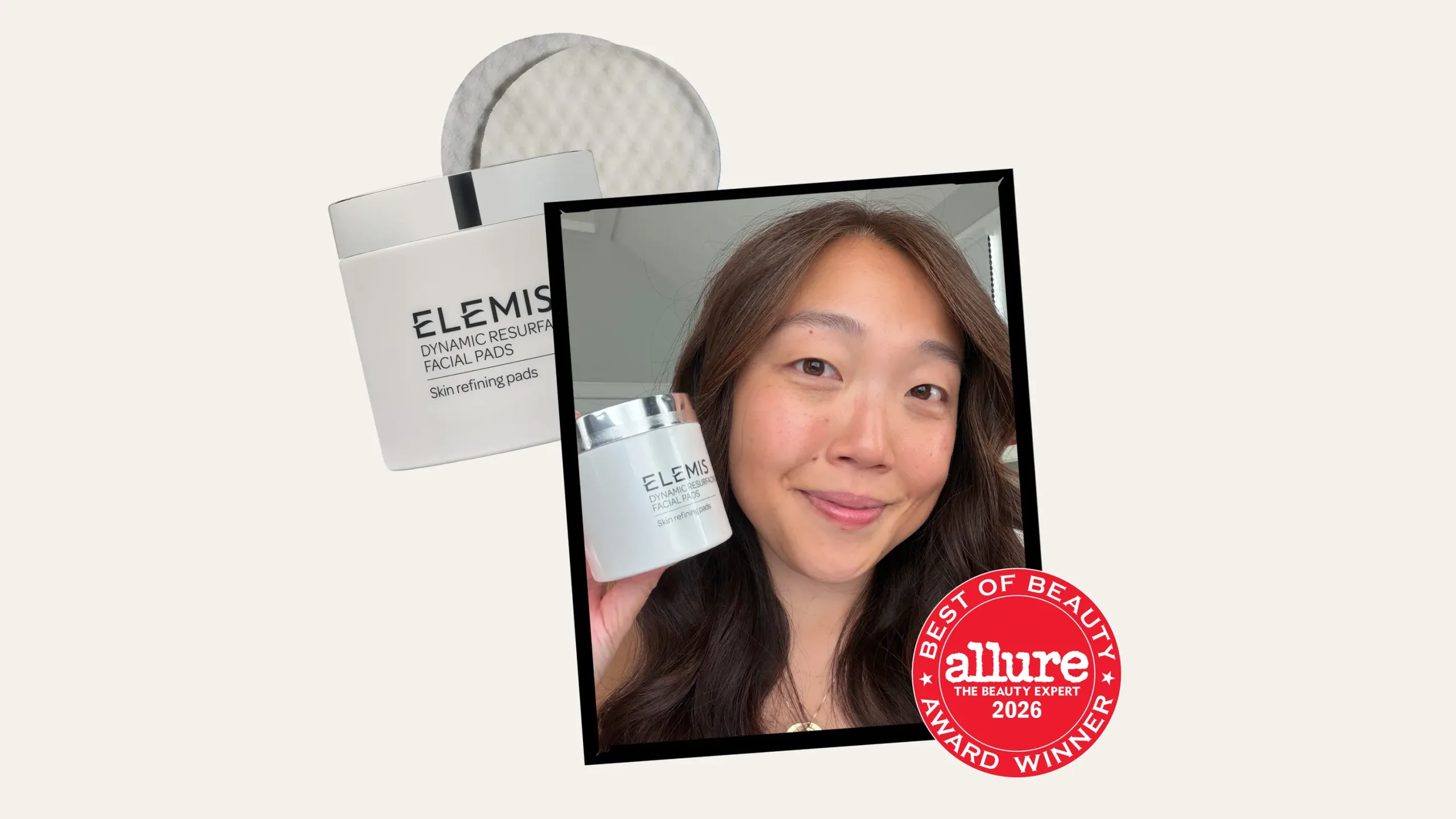
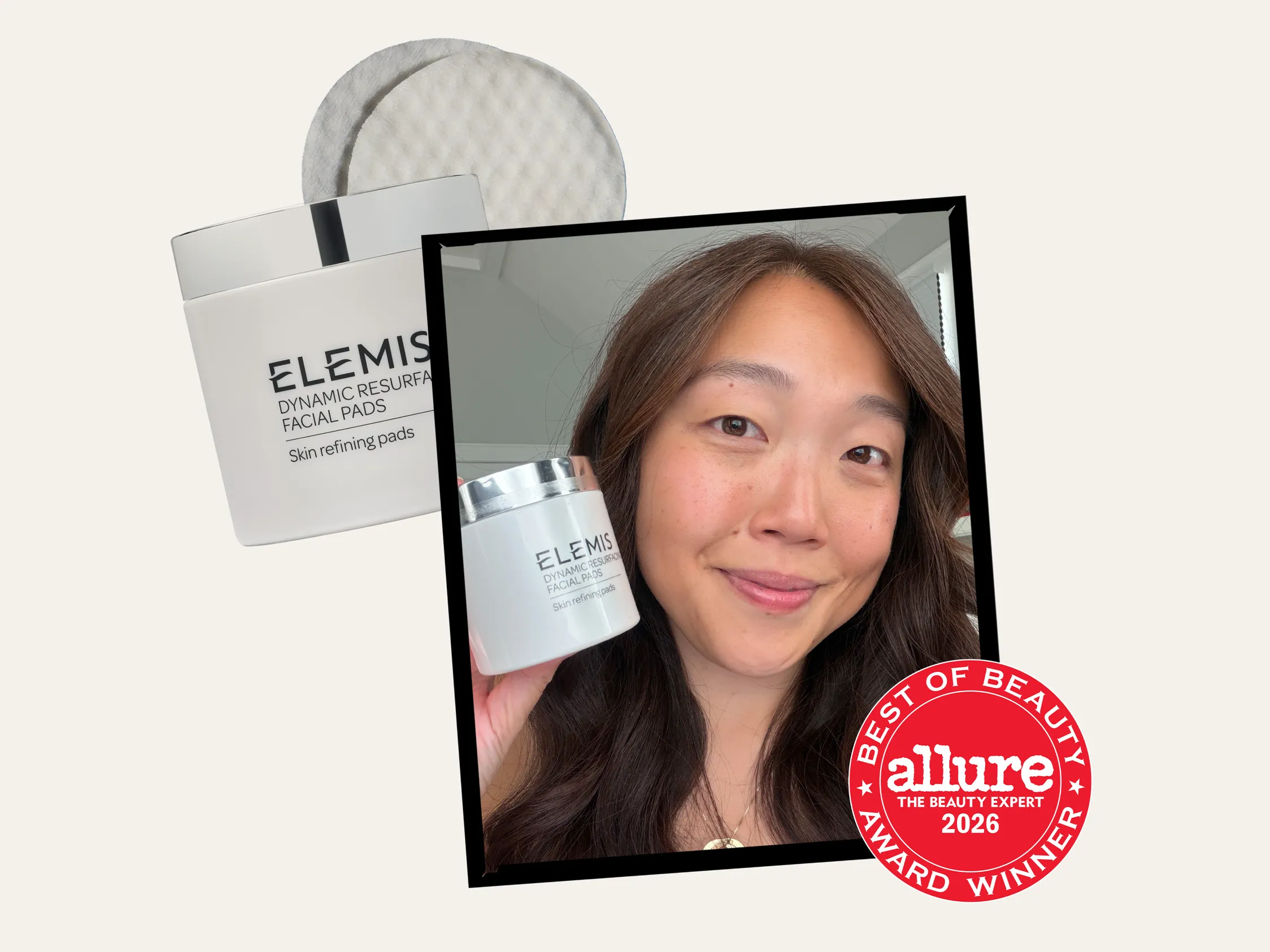
Elemis Dynamic Resurfacing Facial Pads combine a patented tri-enzyme technology with lactic acid to deliver a gentle, effective exfoliation experience. The product has been recognized with a 2026 Allure Best of Beauty Award, a testament to its performance, formulation, and user satisfaction. These pre-soaked facial pads simplify daily skincare routines while addressing common concerns like dryness, dullness, and uneven skin tone—especially for sensitive or reactive skin.
What Makes These Pads Different?
The core of the Elemis Dynamic Resurfacing Facial Pads is a unique blend of active ingredients. The patented tri-enzyme technology—made from papain, protease, and subtilisin—breaks down the protein bonds holding dead skin cells together. This enzymatic action differs from acid-based exfoliation, which relies on acidity to loosen those bonds. Dr. Farhaad Riyaz, a board-certified dermatologist in Plymouth, Michigan, explains that enzymes target dead skin cell structures, allowing them to shed more easily without harshness.
Lactic acid, an alpha hydroxy acid (AHA), supports this action. It works through acidity but does so more slowly than other AHAs like glycolic acid. Dr. Chang Son, a dermatologist in New Jersey, notes that lactic acid has larger molecules, so it penetrates skin more gradually. This makes it ideal for sensitive skin. It also acts as a humectant, helping retain moisture—critical for dry skin.
The pads include glycerin and betaine, both proven humectants that draw water into the skin. Butylene glycol and methyl gluceth-20 help maintain hydration. Together, they prevent the dryness common after exfoliation. Shea butter and fatty alcohols—like behenyl and stearyl alcohol—soften skin and reduce moisture loss. These are not drying alcohols like ethanol. Dr. Dawn Queen, a dermatologist in New York City, says they help protect the skin barrier, especially for sensitive skin.
Lactococcus ferment lysate, a postbiotic from fermented lactobacilli, is included. While research is still emerging, postbiotics may support skin microbiome balance and renewal. Dr. Queen says it’s a supportive ingredient, not a primary one. Its benefits are still being studied, but it reflects a forward-thinking approach to skin health.
One note: the pads contain fragrance. While the reviewer’s skin isn’t sensitive to it, fragrance can trigger irritation in some people. If you have reactive skin, this is something to consider, especially with other active ingredients.
My Personal Experience with the Pads
The reviewer has dry, sensitive skin with a history of hyperpigmentation and melasma from pregnancy. These issues have lasted seven years. They use prescription tretinoin, but their skin reacts strongly to active ingredients. They often skip retinoid use because it requires refrigeration and feels like a mental burden.
The pads offer a simple solution: ready-to-use, no rinsing, no measuring. The reviewer applies them in the morning after washing their face, before sunscreen and skin tint. This timing avoids interference with their nighttime retinoid routine.
Each pad covers the full face, so there’s no guess about how much to use. One side is textured, the other smooth. This adds gentle physical exfoliation without scrubbing. Dr. Dawn Queen says the design focuses on convenience and consistent dosing.
The reviewer avoids pressing hard. Instead, they gently swipe or pat the pad. This prevents irritation. A brief redness appears after use but fades in minutes. Their skin feels balanced, hydrated, and comfortable.
Madison San Miguel, an Allure commerce editor with very dry skin, shares a similar experience. She usually avoids exfoliating pads because most formulas can feel harsh on her dry to very dry skin. These pads feel soothing and hydrating—likely due to glycerin and shea butter. After using them twice weekly, she sees a visible glow in the morning.
Results from the Editors
Multiple Allure editors tested the pads across different skin types and concerns. Their experiences show both versatility and individual results.
Alessandra Foresto, with eczema-related hyperpigmentation, noticed a clear improvement after one month. Her facialist saw a reduction in dark spots. The pads didn’t sting or leave her skin dry—common issues with many exfoliating products.
Elizabeth Gulino, with combination skin, reports immediate softness and smoothness. She feels mild tightness for about 15 minutes—manageable since she follows up with a moisturizer. After an hour, her skin looks bright and even. She now uses them on weekends to prep for makeup.
Sarah Han uses the pads to decongest her T-zone. She finds lactic acid reduces dullness and uneven texture. Her skin feels softer and brighter with each use.
Madison San Miguel confirms these pads work well for dry skin. The humectants and emollients keep skin hydrated even after repeated use. She uses them twice weekly during her evening routine and sees glowing results in the morning.
Effect on Skin Conditions
Dr. Dawn Queen explains that regular exfoliation can fade superficial hyperpigmentation—like acne or sun spots—by promoting cell turnover. Melasma, however, is more complex. Pigment exists at multiple depths and is influenced by hormones, genetics, and environment. Exfoliation alone is not enough to treat melasma.
After three weeks, the reviewer noticed smoother texture and a slight tone improvement. But they can’t tell how much of this came from the pads versus their retinoid. This shows skincare works best as part of a broader routine.
The brand claims the formula supports natural skin turnover over 28 days. This suggests gradual improvements over time. The reviewer is watching for changes in smoothness, radiance, and overall appearance.
What to Watch For
These pads don’t treat melasma or deep hyperpigmentation. The condition requires medical-grade treatments like hydroquinone, retinoids, or lasers.
Users with sensitive skin should start slowly. Begin with one pad per day or a few times a week. Overuse increases irritation, especially when combined with tretinoin or other exfoliants.
The hydration comes from humectants and emollients, not active ingredients. For melasma, targeted treatments remain essential.
Watch for redness or tightness. These are common with exfoliation. If symptoms persist or worsen, stop using the pads.
What to Watch For Next
Long-term results will matter. The 28-day turnover claim suggests gradual improvements in texture and tone. Track changes over weeks.
Consistency helps, but only if skin tolerates it. A routine with hydration, sun protection, and other actives is key for best results.
Results vary by skin type, sensitivity, and existing conditions. What works for one person may not work for another.
The Elemis Dynamic Resurfacing Facial Pads offer a convenient, gentle exfoliation option. They improve texture and hydration, especially for sensitive or dry skin.
They don’t treat melasma or deep hyperpigmentation. They work best as part of a broader skincare routine, not as a standalone solution.
For a simple daily step, these pads are practical. But use them with awareness of skin sensitivity and existing treatments.
More research is needed on postbiotics like Lactococcus ferment lysate. Current evidence suggests they support skin health, but benefits are still under study.
Start slowly and adjust based on how your skin responds.
Original source: Allure
Sources & further reading
Featured image: original publisher image. Via original publisher. Image source