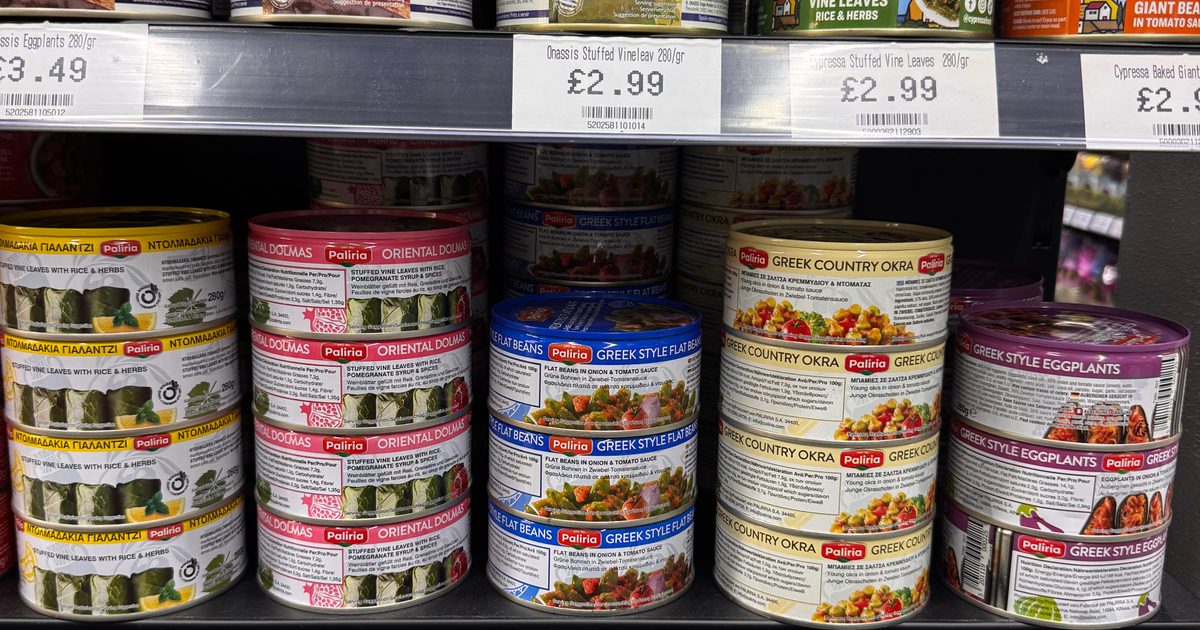
Emergency food essentials are not about survival meals or extreme rationing. They’re about practical, palatable food that lasts, doesn’t require cooking, and can be eaten when power, water, or supplies fail.
What to stock
Choose items that don’t need refrigeration, cooking, or special storage. These are the essentials:
- Tinned staples: Such as beans, lentils, and rice. These are long-shelf-stable and provide protein and carbohydrates.
- Instant meals: Like no-cook or microwave meals. These save time and effort in a crisis.
- Grains: Oats, quinoa, or ambient rice. These can be mixed with water or a little oil to make a meal.
- Dried fruits and nuts: Offer energy and nutrients without needing refrigeration.
- Condiments: Like salt, pepper, and a small bottle of oil. These enhance taste without extra storage needs.
The BBC Good Food guide recommends building a stash that includes at least one meal per day for three days. This covers a short-term crisis, such as a power outage or a minor disaster.
What to skip
Some items are often thought of as emergency food but are not practical:
- Perishable items: Like fresh fruit or vegetables. These spoil quickly and require refrigeration.
- Items needing preparation: Such as bread that needs baking or pasta that needs boiling. These require heat and water.
- Items with complex instructions: Like rehydrated meals that need precise timing or mixing.
For example, a user who tested a three-day emergency kit found that a meal made from tinned beans and rice with a bit of oil was both easy to prepare and satisfying. It didn’t require a stove or water, and it tasted better than many pre-packaged survival meals.
Why this matters
Not all emergencies are large-scale. A power failure, a water leak, or a sudden storm can leave people without cooking facilities. Having a small, ready-to-eat food kit means people don’t have to rely on outside help or run out of food.
According to the BBC Good Food guide, many people assume emergency food must be bulky or tasteless. But the reality is that simple, shelf-stable meals can be both nutritious and enjoyable.
Limitations and open questions
The guide does not cover long-term emergencies, such as months-long isolation or natural disasters. It focuses on short-term, manageable scenarios.
There is no mention of dietary needs for children, elderly, or people with medical conditions. These groups may require different food types or textures.
Also, the guide doesn’t address how to store or rotate food to prevent spoilage. While tinned items last years, others degrade over time.
One user noted that while the kit works well in a home setting, it may not be suitable for outdoor or remote use where space is limited.
Overall, the advice is grounded in practicality. It avoids overcomplicating or romanticizing emergency food. The goal is not to create a survival kit, but a food stash that people actually want to eat.
For more recipe ideas and meal planning tools, visit the BBC Good Food recipe app.
Sources & further reading
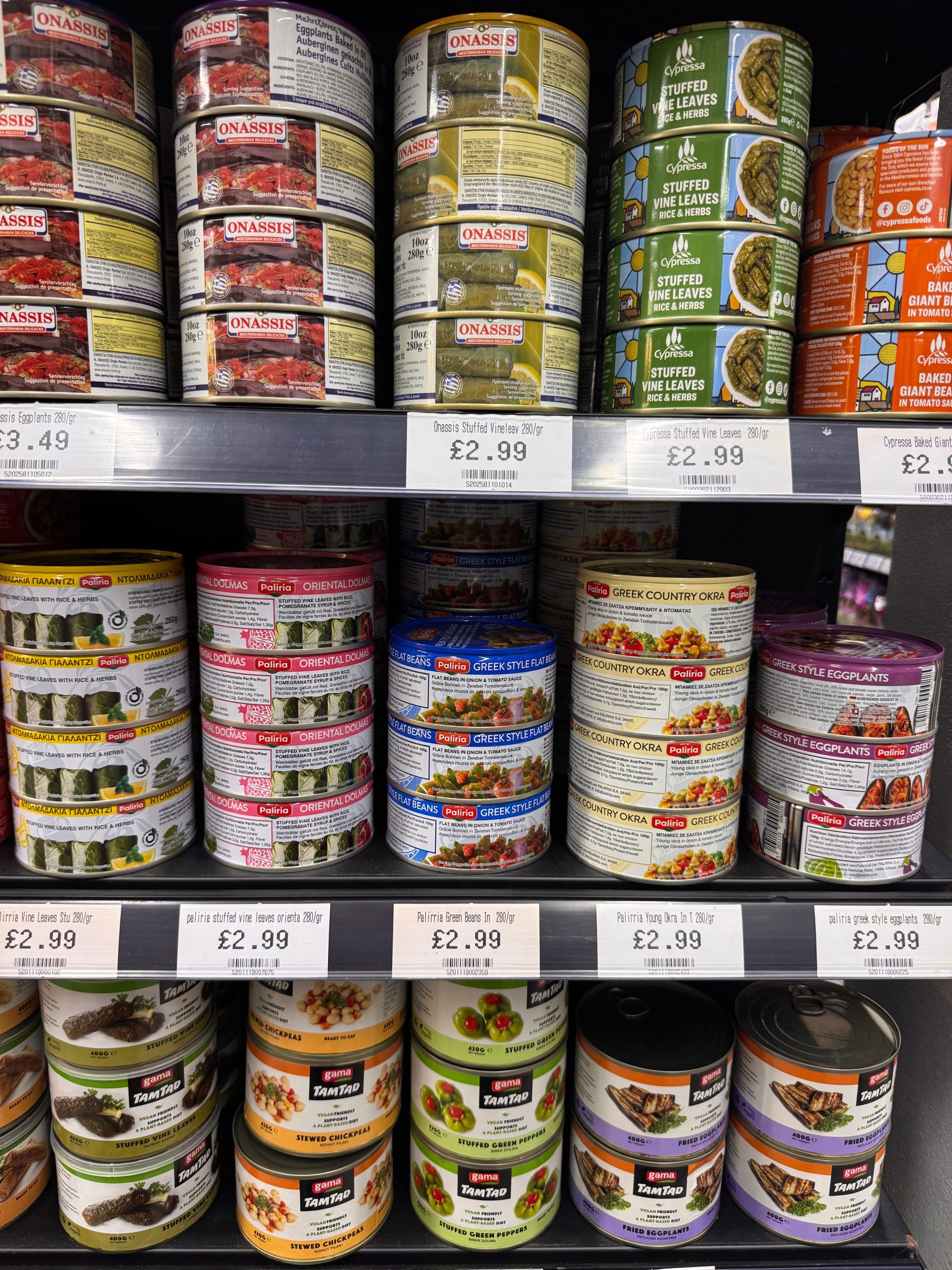
Featured image: Meze style dishes in tins on a supermarket shelf. Via original publisher. Image source