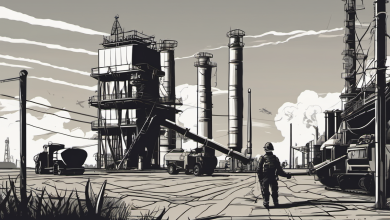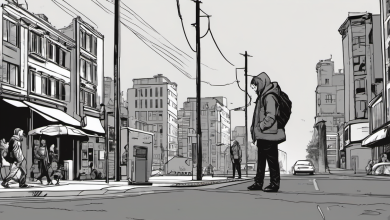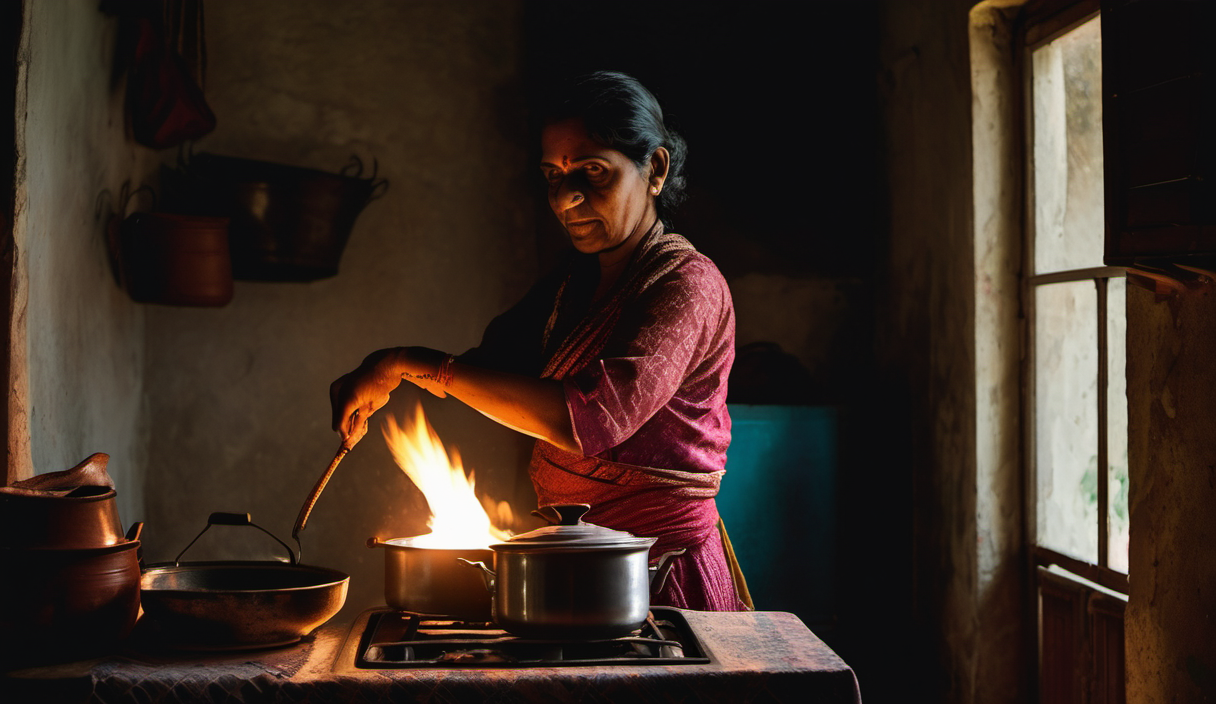
Featured image: Illustration for “Energy Crisis Deepens in Bangladesh Amid Gas Shortages”. AI-generated image; not a photograph of the reported event.
At 1am, Halder’s alarm goes off. A 34-year-old bank employee in Dhaka rises to cook for her family. This is the only time the city’s piped gas supply is strong enough to allow cooking.
What Happened
Since July, Bangladesh has faced severe energy shortages. The crisis began when the US war in Iran disrupted shipping through the Strait of Hormuz.
Gas imports fell significantly between July and August. This has crippled the country’s energy supply, which relies heavily on imported liquefied natural gas (LNG).
One of Bangladesh’s two floating LNG terminals was damaged by a fire on 21 July. This temporarily halted operations and worsened the shortfall.
Key Facts
- Dhaka, home to nearly 40 million people, now operates in darkness for much of the day.
- National load-shedding exceeded 3,000MW during peak shortages.
- Energy rationing includes closing shops by 8pm and turning off illuminated billboards by 7pm.
- Almost 3 million more people are expected to face food insecurity by year-end, a rise of 18% from summer levels.
Why It Matters
Energy is vital for daily life and economic activity. In Dhaka, long stretches of roads in business districts are now dark.
Residents face daily choices: how long to run a fan, whether to buy eggs, or if they can afford to go to the market.
For small businesses, the crisis is devastating. Aleya Begum runs a roadside stall. She says she now spends a bagful of money and still can’t fill a bag with vegetables.
Energy shortages have also hurt agriculture. Farmers lack fuel for irrigation, leading to drying fields and reduced crop yields.
Background: How the System Works
Bangladesh produces little energy domestically. Nearly half of its energy comes from imported LNG from the Middle East.
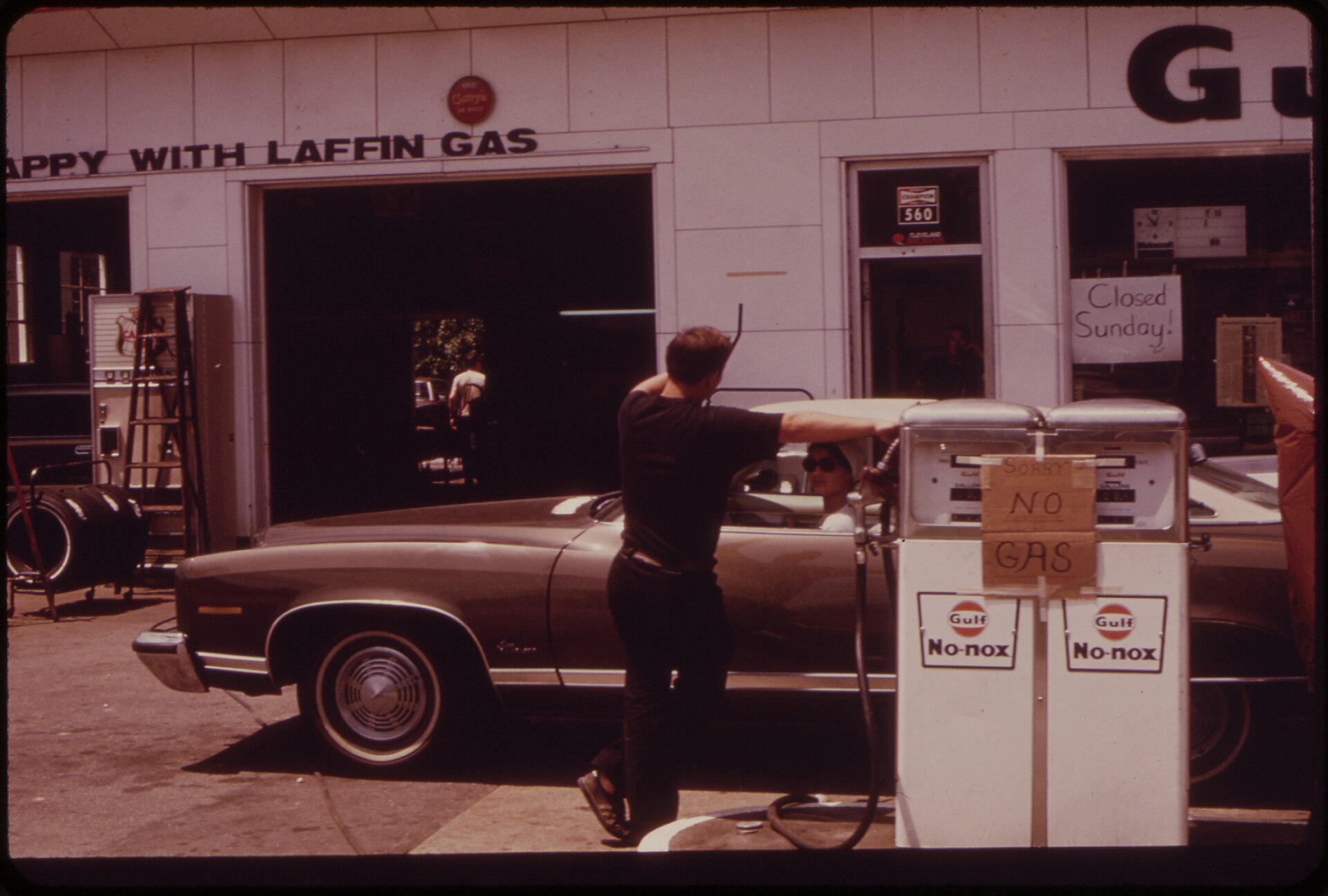
The country’s energy system has long been strained by mismanagement of public utilities.
What to Watch Next
Government efforts to stabilize supply remain limited. Energy rationing continues, with no immediate plan to restore full supply.
As food prices rise and households struggle, the risk of wider malnutrition grows. The Integrated Food Security Phase Classification reports a sharp increase in food insecurity.
Residents like Ahmed, who runs an electrical workshop, say they feel trapped. ‘By the time I close my shop, it is already dark,’ he says. ‘Then you think about being mugged on the way home.’
While the crisis began abroad, its impact is deeply local. People are not asking for grand promises. They want to turn on a stove, switch on a light, and go to the market without fear.
For more on how global events affect local economies, see The Guardian’s full report.
For global food security data, visit UN Food Security.
For insights on energy policy and market impacts, explore Trump’s Fuel Price Plan.