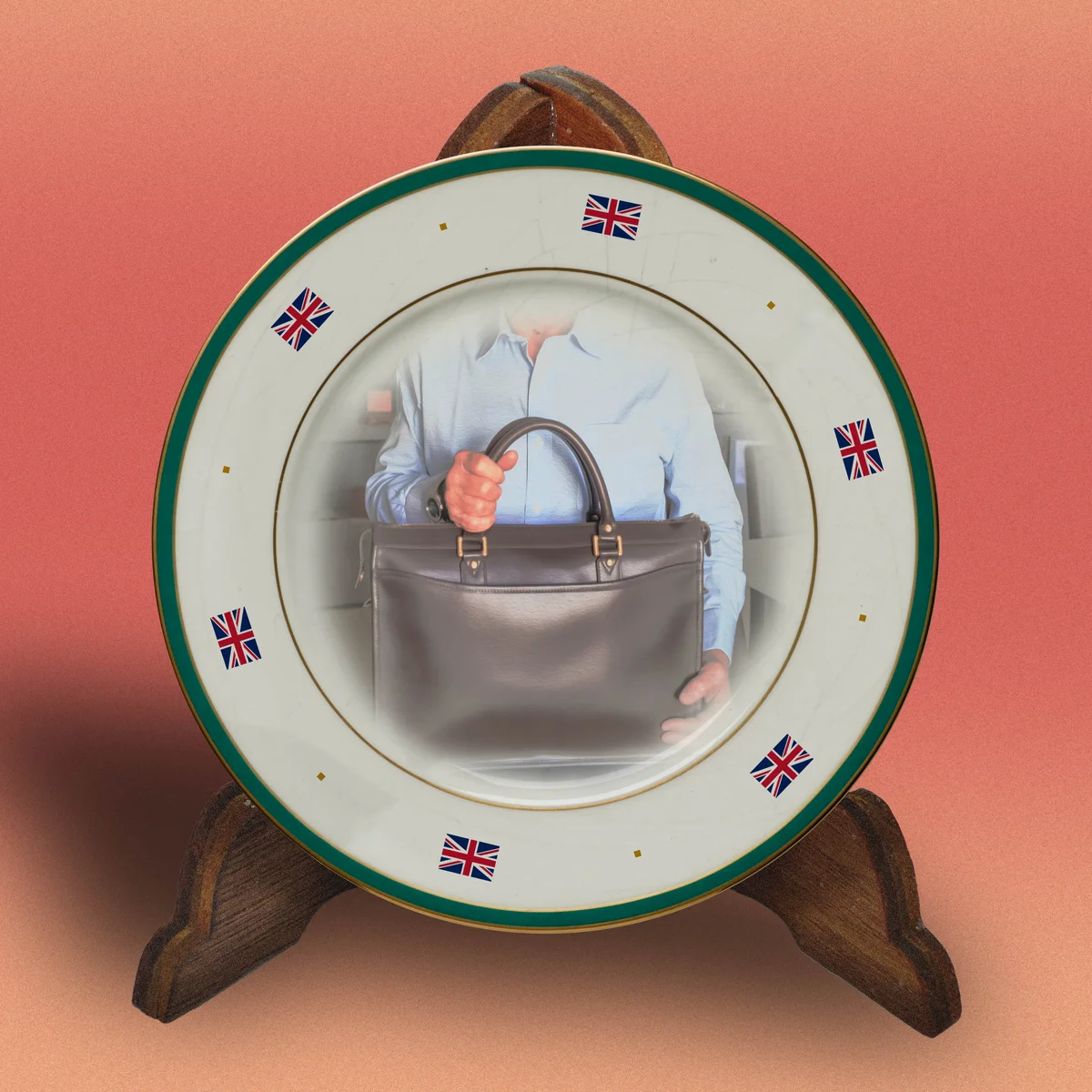
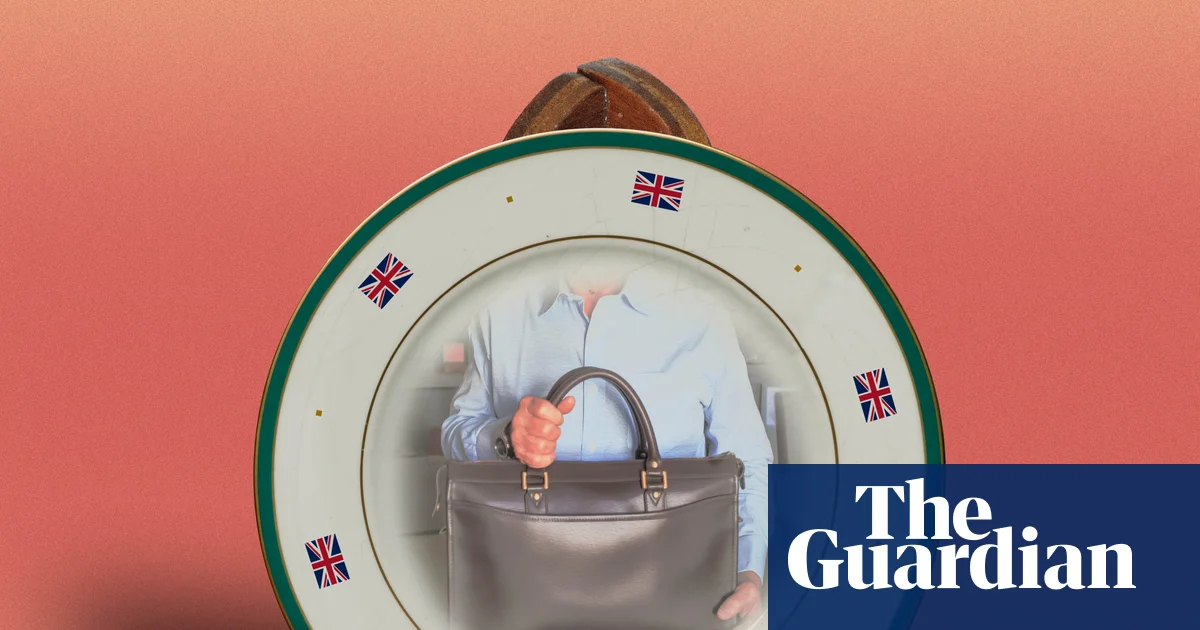
At a factory in Walsall, British leather goods are still made by hand — one piece at a time. Ettinger produces wallets, cigar cases, and dog accessories, all crafted by hand. Since 1934, the company has stayed true to British tradition, evolving from a small producer to a trusted supplier for high-profile clients, including King Charles and Queen Camilla, who hold royal warrants. Source: theguardian.com.
Handmade in Walsall
Ettinger’s factory has operated since 1890, originally serving James Homer. The family later moved operations to Walsall in the 1990s. This move was strategic — Walsall has long been a center for leather production, with over 100 saddle-making firms by the late 1800s. The town’s legacy is visible in street names, the Saddlers Centre mall, and a local leather skills training center.
Today, about 20 people work in the factory, mostly women. A few work from home. They handle every step — from cutting to polishing — without automation. Each wallet uses 28 leather pieces. These are cut with a hydraulic press, thinned with a skiver, turned inward, and stitched by hand. Seams are trimmed with a scalpel and scissors before polishing and wrapping in tissue paper. This care ensures quality and durability.
Why No Robots?
Robert Ettinger, chief executive, says robots aren’t feasible. ‘You can’t bring in robots,’ he says. The precision needed in stitching and finishing requires human touch. Machines can’t match the fine motor skills or judgment needed to handle leather’s subtle variations in texture and grain.
‘It is all down to attention to detail,’ says Gary Billingham, a worker since the 1980s. Back then, Walsall had dozens of leather factories listed in the Yellow Pages. Now, only five remain.
From Saddle-Making to Luxury
Walsall’s leather industry began in the Middle Ages. By the late 1800s, over 100 firms made saddle goods. As horse use declined, factories shifted to bicycle saddles, car upholstery, and household items. Demand surged during World War I for military saddles. By 1970, Walsall produced about half of all British fancy leather goods, according to the Wolverhampton Heritage and History Society.
By the 1950s, competition from imported leather and synthetic materials began to hurt the industry. Mass production in Asia and Eastern Europe further weakened the domestic market. By the 1990s, only five leather factories remained in Walsall. UK employment in the sector dropped from 37,000 in the 1990s to just 7,000 today.
Ettinger cut staff by about seven after the pandemic. The company remains small-scale, with no bulk production. This focus on quality has helped it keep loyal customers who value authenticity and durability.
Personal Experience in the Craft
Tracy has worked at Ettinger for 15 years. She started after leaving school in the 1980s. She remembers a time when job changes were common — ‘you could walk out of one job and into another on the same day.’ This fluidity was typical in early decades. Today, such transitions are rare. The industry has become much more niche.
Tracy’s experience shows a broader shift: younger people are less likely to enter traditional crafts. Skills like leather cutting and hand-stitching are not widely taught in modern vocational programs. Most current workers are in their 40s to 60s. Recruitment remains difficult.
Training and Apprenticeships
Robert Ettinger says the UK lacks formal apprenticeships like those in mainland Europe. His father sent him to Germany, where young people spend years mastering trades — like leatherwork, chimney sweeping, or butchery. After passing exams, they become Meisters — master craftsmen. This structured path is missing in the UK. Vocational training is often short and not deeply rooted.
‘We don’t have that here,’ Robert says. ‘So it’s harder to hire younger people.’ Even at Walsall’s Leather Skills Centre, students often choose car upholstery or saddle-making — areas with less demand for high-end customization.
Billingham notes the factory is aging. ‘We are all getting old now,’ he says. ‘If you find someone working for somebody else, you take them.’ Hiring five to ten new staff would be ideal. But such talent is not available. The decline is both economic and cultural.
Market Response and Growth
Ettinger has seen growth. Online sales are up 30% from last year. UK sales have increased by a fifth. More customers are now in their 20s and up. This reflects a growing desire for durable, long-lasting goods over fast-fashion items.
‘Many younger people now want something that won’t go out of style in three months,’ Robert says. ‘Yes, it costs more, but it lasts 15 to 20 years and can be repaired. I just repaired my 17-year-old wallet.’
This price is comparable to some trainers. Ettinger calls its goods ‘affordable luxury.’ The brand sits between big labels and high street, offering quality without extreme cost. It maintains the authenticity of British craftsmanship.
What This Means for British Manufacturing
Ettinger shows how traditional crafts can survive — not through automation, but through human skill and cultural value. While global competition threatens many industries, Ettinger proves craftsmanship still matters in a market that values durability and authenticity.
Its success isn’t about scale. It’s about quality and trust. Customers value the story behind the product — the history, the hands that made it, and the pride in British craftsmanship. This emotional connection sets it apart from mass-produced goods.
Yet challenges remain. The industry lacks formal training. Recruitment is hard. Local facilities — like the Walsall leather museum, housed in an 1880s factory — are closed due to redevelopment plans. Without investment in training and apprenticeships, the future of such crafts is uncertain.
Ettinger continues to serve global customers. Its clients include King Charles and Queen Camilla, who hold royal warrants. It also offers custom items — like personalized dog treat cases and cigar cases — to private buyers. The company balances luxury and accessibility. Its products sit between mass-market brands and high-end labels.
Etting’s story isn’t just about leather. It’s about the resilience of skilled trades, the need for training, and the rising demand for sustainable, long-lasting goods. As younger buyers seek products that last, British craftsmanship may find new relevance — not through mass production, but through human hands and enduring quality.
For now, the factory in Walsall continues — one hand-stitched piece at a time.
Sources & further reading
Featured image: original publisher image. Via original publisher. Image source