Opera has long been associated with dramatic violence, especially in the portrayal of female characters. This tradition, rooted in centuries of Western art, often centers on suffering, death, and revenge. From the tragic deaths of women in political intrigue to the brutal consequences of love and betrayal, the genre has historically depicted women as passive victims of male-dominated power structures and violent conflict. Source: theguardian.com.
Opera’s Legacy of Female Suffering
These narratives have been central to many of the genre’s most famous works. The archetypal image of the female protagonist—often a noblewoman, a courtesan, or a queen—has been shaped by stories of emotional turmoil, physical abuse, and fatal outcomes. Such depictions were not merely artistic choices; they reflected the cultural and political values of the time, where women were often portrayed as moral compasses whose suffering served to highlight the corruption or brutality of men in power.
One of the most enduring examples is Puccini’s Tosca . Her violent confrontation with the officer ends in tragedy, with the woman dying in a moment of rage and despair. At the time, the premiere was met with public anxiety. Death threats were delivered to the stage door. The first performance was postponed due to fears of an anarchist bombing. The opera’s themes of political unrest and personal violence resonated deeply with the audience.
Today, Tosca remains one of the most performed operas. Its popularity endures, not just for its music, but for its portrayal of a woman caught in a violent, politically charged world. The story has been interpreted as a commentary on power, loyalty, and the cost of resistance—yet it remains grounded in a narrative of female victimhood that has defined opera’s dramatic tradition for generations.
Kaija Saariaho’s Response to Opera’s Tradition
Kaija Saariaho, a Finnish composer, was one of the few women to achieve prominence in opera during its long history. In 1992, she saw a production of Messiaen’s Saint François d’Assise at the Salzburg Festival. That work, known for its meditative and spiritual depth, inspired her. She later recalled: If that is an opera, then I can write one.
Her first opera, L’Amour de loin (Love from Afar), premiered at the Salzburg Festival in 2000. It is a tale of medieval courtly love, with a libretto by Amin Maalouf. The work was later performed in the UK by English National Opera in 2009. Its focus on emotional intimacy and the beauty of human connection marked a departure from the genre’s traditional emphasis on conflict and tragedy.
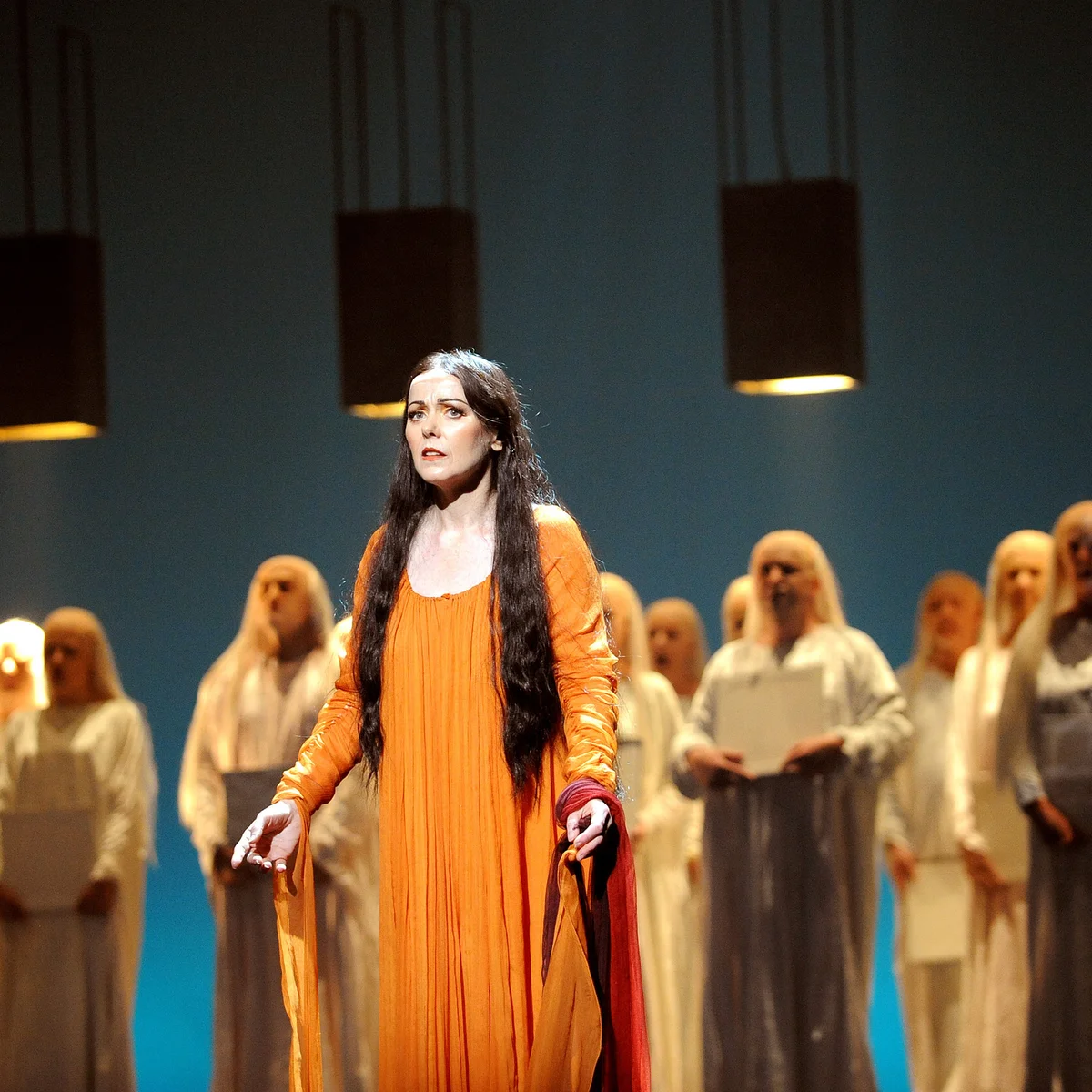
Her second opera, Adriana Mater, marked a significant shift. It explores a civil war setting in which a woman is raped and becomes pregnant. She chooses to give birth and raise her son, shielding him from the truth about his father. Years later, the son discovers the truth and becomes determined to kill his father. But when confronted with an old, blind man, he is unable to act. The final scene delivers a powerful message: This man deserved to die, my son, but you did not deserve to kill … We are not avenged, Yonas, but we are saved.
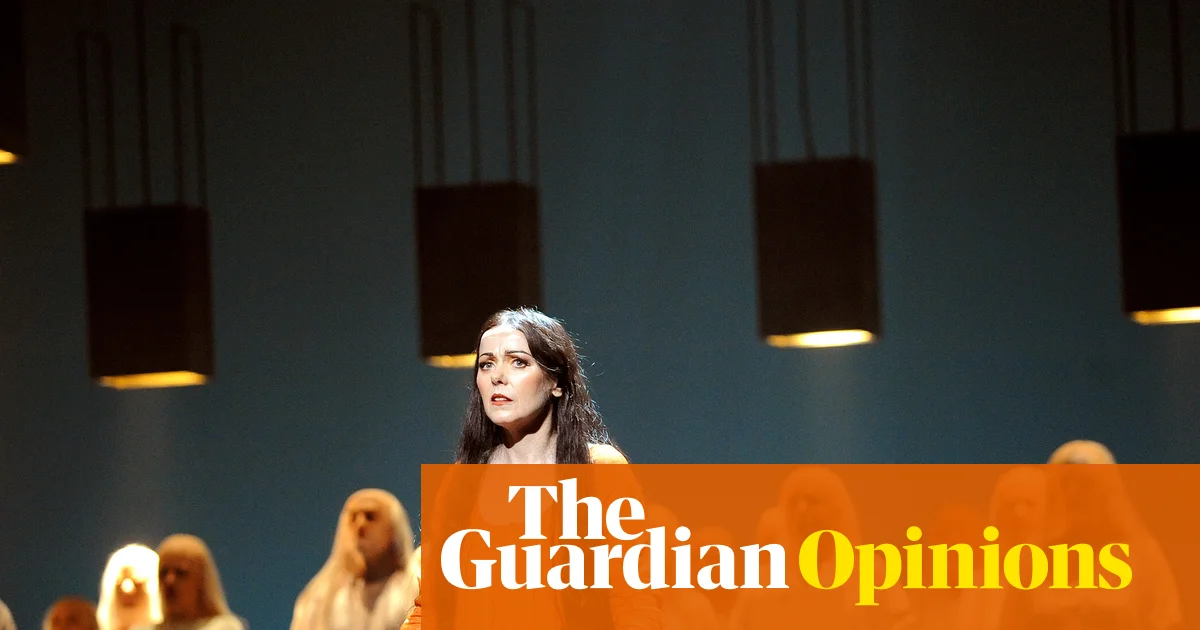
For Saariaho, this was not a rejection of violence, but a reimagining of how women respond to trauma. The story reflects real-world efforts to build peace after conflict. It is especially meaningful in regions like Northern Ireland, where women have long worked to foster reconciliation through dialogue, community engagement, and the nurturing of shared values.
Female Composers Are Reclaiming Opera’s Narrative
Today’s female composers are not rejecting opera’s themes of conflict. Instead, they are using the form to explore modern issues with empathy and depth. They are not avoiding the realities of violence, but reframing how those realities are narrated and resolved.
For example, Du Yun’s Angel’s Bone examines human trafficking, a dark reality underpinning modern capitalist societies. It premiered at English National Opera’s London season after a run in Manchester. The work uses minimalist, haunting music to explore the emotional and physical toll of exploitation, emphasizing the resilience of those who survive and the moral responsibility of society.
Missy Mazzoli’s adaptation of Breaking the Waves explores themes of love, faith, and marital sacrifice. It is based on Lars von Trier’s film, which itself deals with the cost of devotion in a violent world. Mazzoli’s version transforms the narrative from one of despair into a meditation on endurance and quiet strength, showing how love can persist even in the face of suffering.
Elena Langer’s To Die For is a darkly comedic piece about searching for meaning in a meaningless world. It is performed only once per season, highlighting the range of modern operatic storytelling. The work uses satire and irony to confront existential questions, offering a different kind of emotional resonance—one that does not rely on tragedy but on human absurdity and the search for connection.
Other works, such as Thea Musgrave’s Mary, Queen of Scots and Janine Tesori’s Blue, have also contributed to a broader, more diverse operatic canon. These compositions reflect a growing trend in which female composers are not only creating music, but redefining the emotional and ethical dimensions of operatic storytelling.
Why This Shift Matters
Opera has long been dominated by male composers and narratives. Research by the Laidlaw Trust shows that nearly 60% of the public wants to attend opera. Yet, few people go regularly. Of the 25 most performed operas in England between 2017 and 2023, not one was composed by a woman. The top titles are over 100 years old. This reflects a long-standing imbalance in the genre’s canon.
English National Opera has recognized this. It has prioritized performances of works by female composers. This effort is part of a broader mission to make opera more accessible and relevant to modern audiences. By presenting stories that reflect contemporary social issues—such as gender-based violence, migration, and post-conflict healing—opera can become a mirror to the world it serves.
Adriana Mater and the Future of Opera
The 2026 season at English National Opera features a direct artistic dialogue between Puccini’s Tosca and Saariaho’s Adriana Mater. Both stories feature women targeted by violence. Where Tosca ends in tragedy, Adriana Mater ends in hope. The journey from one to the other shows how opera can evolve to reflect a more compassionate vision of human experience.
She said her relationship to music as a protected, intimate space was shattered. Her creative courage came at a cost — she faced criticism at the time. Only now, after the acclaim of her final opera Innocence (about a school shooting), is Adriana Mater being reassessed. This recognition underscores a growing appreciation for operatic works that reflect real-world trauma and healing.
This shift is not about abandoning tradition — it is about expanding it. As more female composers enter the field, the genre will become more diverse and reflective of global realities. Opera, like life, is complex. It cannot be pinned down to one narrative. But its power lies in its ability to capture both pain and hope.
English National Opera’s commitment to presenting works by women is a vital step. It ensures that the future of opera is not just preserved — it is reimagined. For audiences, this means opera can become not just a performance, but a shared experience of human resilience.
More than ever, opera must reflect the world it lives in. And in that, it can offer something profound — a mirror to our shared humanity.
Sources & further reading
Featured image: original publisher image. Via original publisher. Image source