France reports first human case of Shamonda virus Source: bbc.co.uk.
French health officials have confirmed the first known human case of the Shamonda virus (Shav), which was detected in a patient who died in early October.
What happened
The patient, who was already suffering from a serious underlying illness, died in a hospital in Lyon.
French authorities say the patient likely contracted the virus through a bite from a midge in eastern France.
Officials describe the case as ‘exceptional’ and stress that the patient had a severely weakened immune system, making them more vulnerable to infection.
Key facts
- The virus primarily affects cattle and has been recorded in sheep, goats, alpacas, and horses.
- Shamonda virus has circulated for decades in Africa and Asia, but no human cases were previously documented.
- Initial medical findings suggest neurological complications were likely linked to the virus.
- France’s health and agriculture ministries jointly reported the human case.
Background: How the virus works
Shamonda virus is transmitted mainly by midges, small biting insects common in rural and agricultural areas.
Infected animals often show symptoms such as fever, diarrhoea, and reduced milk production.
Until now, the virus was considered non-transmissible to humans.
Why it matters
While the case is isolated, it raises questions about the potential for zoonotic transmission—when animal diseases spread to humans.


Public health agencies are monitoring the situation closely to assess any broader implications.
Limitations and open questions
There is no evidence that the virus spreads from person to person.
Experts note that midge-borne viruses generally become less active in cooler months, reducing risk during winter.
The World Health Organization (WHO) has not yet conducted a formal risk assessment.
It has stated that current knowledge suggests the case is isolated and unlikely to lead to wider spread.
What to watch next
French and European health agencies are working together to investigate the public health implications.
The European Centre for Disease Prevention and Control (ECDC) is coordinating with partners to evaluate the case.
Shamonda virus has already been detected in farm animals in Ireland, Germany, Italy, Spain, and Jersey.
Source: BBC News, https://www.bbc.co.uk/news/articles/c6reyx1d9ge9o?at_medium=RSS&at_campaign=rss
Sources & further reading
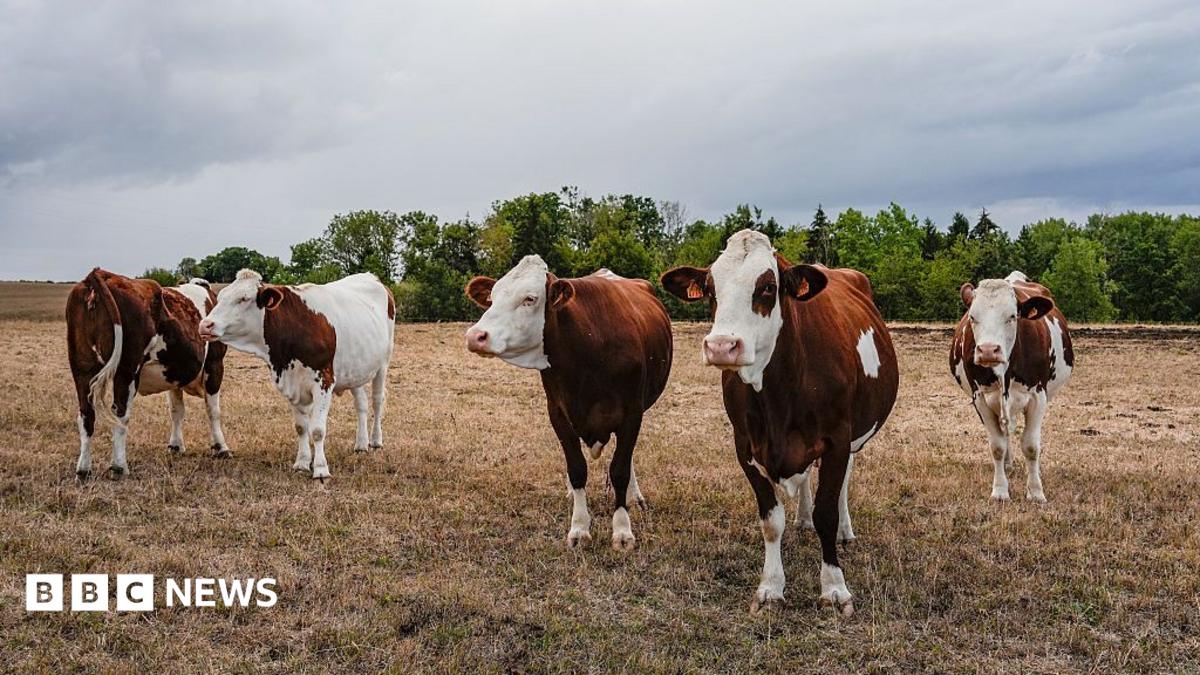
Featured image: A file photo of cattle in France. Five brown and white cows stand in a dry brown field in front of a row of green trees under a cloudy grey sky.. Via original publisher. Image source