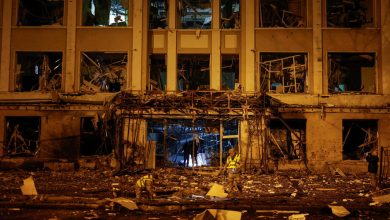
Pavlohrad, Ukraine — A city less than 90km from the Russian front line continues to face relentless attacks. Residents describe daily life under constant bombardment, with little respite and growing weariness. The city, located in Ukraine’s Dnipropetrovsk oblast, has become a living testament to the human cost of war — not just in terms of physical destruction, but in the erosion of trust, the distortion of information, and the psychological toll on ordinary citizens. Source: france24.com.
Life Under Constant Attack
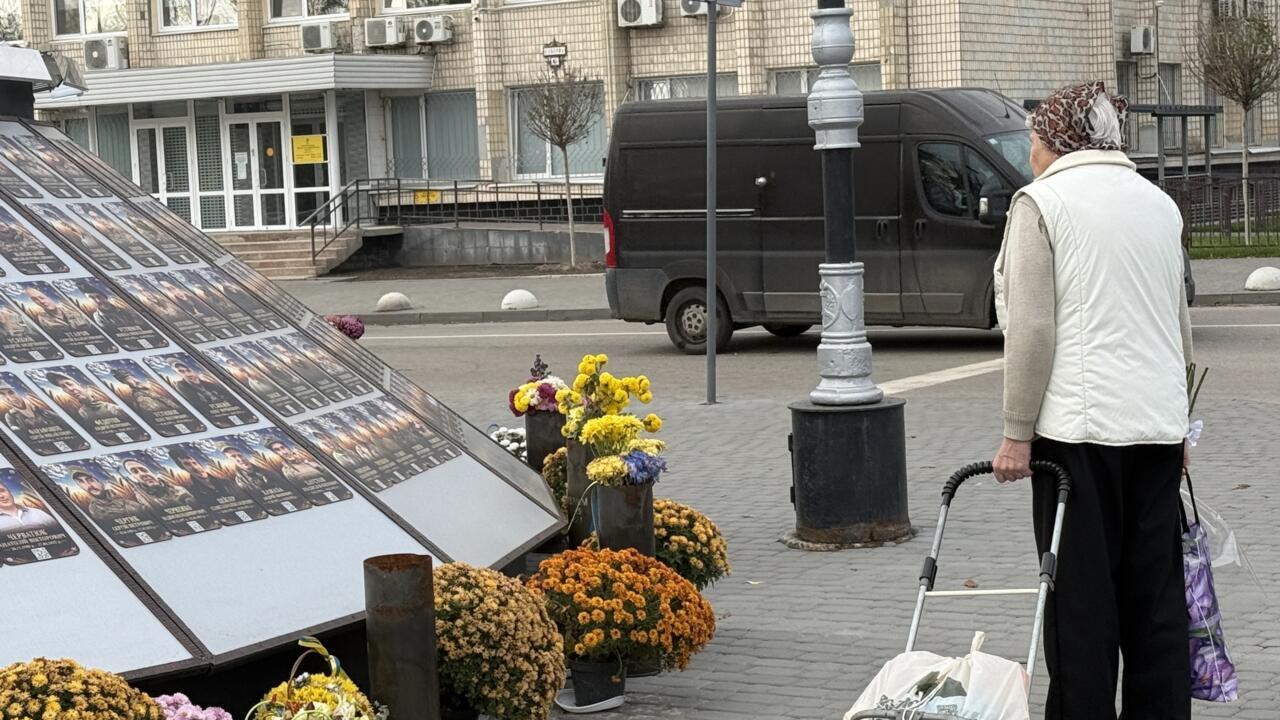
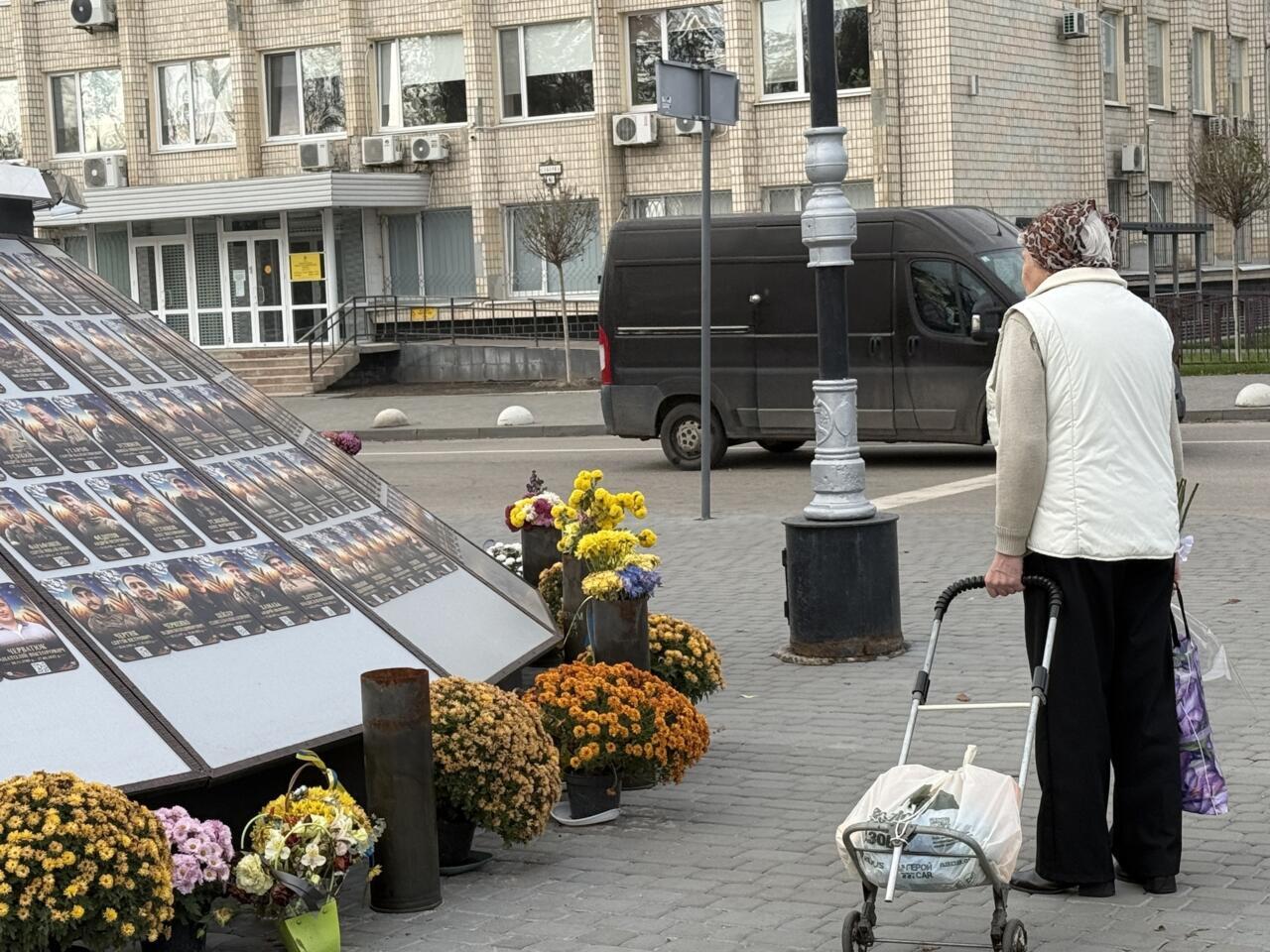
On the streets of Pavlohrad, faces are grim. The air is heavy with tension. The city is close to the front line, making it a frequent target. Residents report that drone strikes and missile attacks occur with increasing frequency, often with little warning. The rhythm of war has become a daily reality — not a distant event, but a pulse that drives every movement and decision.
Valentyna, a woman in her sixties, sits on a bench waiting for a bus. She speaks with sarcasm: ‘We’re delighted. They’re bombing us all the time.’ She avoids discussing politics but expresses clear fatigue. She says the war must end and that negotiations are needed. Her words reflect a deep exhaustion — not just from the physical toll, but from the emotional weight of living in a state of perpetual alert.
When asked who to negotiate with, Raïssa, another resident, questions: ‘But who are we supposed to negotiate with?’ Both women reject any idea of Russian occupation. They insist: ‘No, no, we want to live in Ukraine.’ This statement is not merely a political assertion — it is a declaration of national identity, rooted in a shared sense of history and belonging.
Trump’s Criticism and Public Backlash
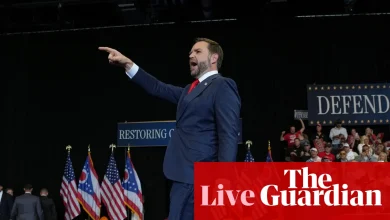
Since returning to the White House in January 2025, US President Donald Trump has repeatedly criticized President Volodymyr Zelensky. According to local residents, Trump has accused Zelensky of starting the conflict and blocking peace. In public statements, he has referred to Zelensky as an ‘unelected dictator’, despite Ukrainian law prohibiting wartime elections. This claim has drawn sharp criticism from citizens in Pavlohrad, who view it as a distortion of reality and a threat to Ukraine’s legitimacy.
The public sees this as a potential betrayal of national sovereignty rather than a path to peace. Residents report that Trump’s rhetoric has fueled a growing sense of alienation — the belief that Ukraine is being treated not as a sovereign nation, but as a country to be managed by external actors.
On October 10, Trump reiterated his claim that Ukrainians need a new leader to secure a deal. This statement has sparked public backlash in Pavlohrad, where many residents feel that such narratives undermine Ukraine’s ability to govern itself and weaken its standing in international diplomacy. They argue that such rhetoric risks normalizing the idea that Ukraine is not a legitimate partner in peace negotiations, but a nation that requires external intervention.

Foreign Recruitment and Human Cost
Amnesty International has reported that Russia has recruited foreign fighters — including from North Korea, Colombia, and Africa — under the promise of jobs and citizenship. These individuals are often lured with false promises of stability, safety, and economic opportunity. In reality, they are sent into combat zones with little preparation or support.
These recruits are not only vulnerable to physical danger but also to psychological trauma. Reports indicate that many were unaware of the nature of the conflict or the risks involved. Some were even recruited through social media campaigns that portrayed Ukraine as a place of opportunity, rather than a battlefield. This strategy reflects a broader pattern of hybrid warfare — where military actions are combined with psychological and informational campaigns.
One soldier, Valentyn, serves in the 200th Symon Petliura Brigade. He says Russia’s actions are part of a deliberate strategy: ‘Russia deliberately strikes cafés and shopping centres to terrorise the population.’ He explains that such attacks aim to drive civilians away, disrupting the economy and encouraging distrust. He calls this a ‘state policy’ — not just a tactic of chaos.
These attacks are not random. They are calculated to create a sense of instability and fear. By targeting civilian infrastructure, Russia seeks to undermine public confidence in Ukrainian institutions and to create a perception that the government is unable to protect its people. This, in turn, may lead to internal divisions and a loss of morale.
Shelter and Real-Time Alerts
Residents receive real-time alerts on their phones about incoming drone or missile attacks. Sirens sound across the city. These alerts are issued by local systems that monitor threats. The technology is designed to provide early warnings, but it also creates a new form of anxiety — one where the line between safety and danger is constantly blurred.
On one occasion, a small bus stops abruptly. Raïssa is gone — she had been waiting at a corner. The alert comes just seconds later. This moment illustrates the fragility of daily routines. A single alert can disrupt a person’s entire day — from a simple walk to a routine conversation. The unpredictability of attacks means that people must constantly adapt, often without knowing what comes next.

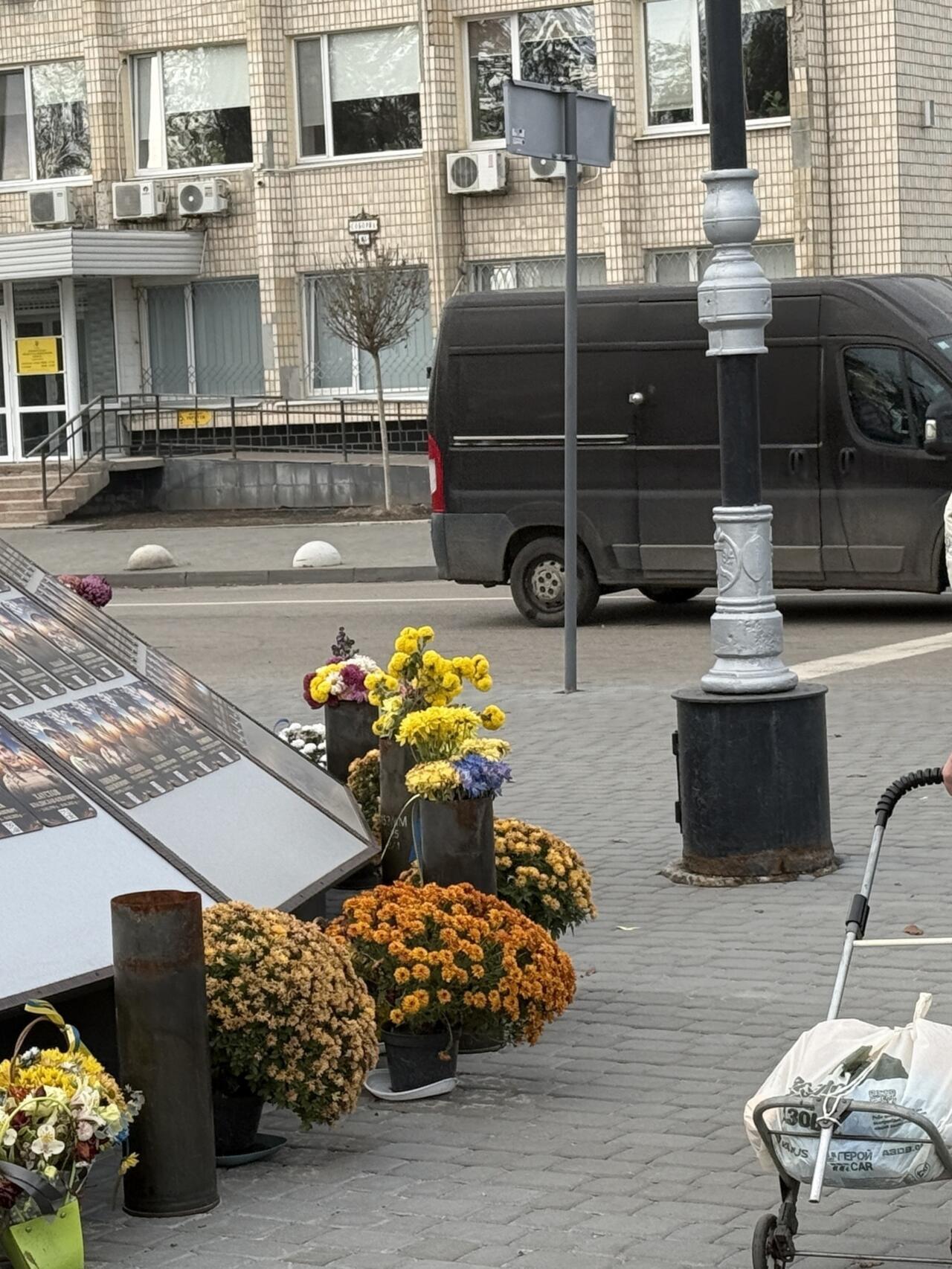
A drone strike hit a shopping centre ten days earlier. At least five people were killed. Over 67 were injured, including children. The attack has left deep trauma in the community. Families have lost loved ones, and many have been left with long-term psychological effects. The incident has also sparked a debate about the ethics of targeting civilian infrastructure — a point that resonates deeply with residents who see themselves as both victims and defenders of their nation.
When an alert sounds, people rush to shelters. Some wait in entrances to maintain phone signal. Others descend to basement shelters. A woman once called out to journalists: ‘You know, I don’t trust a camera — it could help Russians target the shelter.’ This fear is not irrational — it reflects a broader concern about how information is used in warfare. In a conflict where disinformation is a tool of power, even the presence of a camera can be seen as a potential vulnerability.
Information Warfare and Public Distrust
Even a khaki-green uniform — traditionally associated with defence — can trigger suspicion. This reflects a broader trend of disinformation. In Pavlohrad, residents report that they are increasingly wary of anyone in uniform, especially if they are not clearly identifiable or if their actions seem inconsistent with official statements.
Valentyn, the soldier, says the strategy is clear: ‘Divide and conquer.’ The goal is to make Ukrainians distrust each other, and to blame them for attacks. This is not merely about creating chaos — it is about undermining the social fabric of the nation. By fostering suspicion between citizens, Russia hopes to weaken the cohesion of Ukrainian society and to create a sense of internal division.
Natalia, a woman in her sixties, says the war began long before Zelensky came to power. She believes Ukraine is fighting not just for survival, but for Europe. ‘If we received more help, the situation would be different.’ She admits she no longer trusts anyone. On TikTok, she says, ‘They say the future candidates are pro-Russian.’ This has deepened her anxiety about political choices. Her experience is representative of a growing trend — one where public discourse is increasingly shaped by disinformation and fear.
Resilience Amid Hardship
Despite the attacks, morale remains strong. A soldier, speaking anonymously, says: ‘The situation is getting worse, but I don’t see people losing heart. Quite the opposite: everyone is sticking together and doing whatever it takes to keep their spirits up.’ This resilience is not born of ignorance or denial — it is rooted in a deep sense of collective identity and purpose.
When asked about Zelensky, he is firm: ‘We elected him as president. We have seen what he is doing: he did not attack Russia.’ On corruption, he says: ‘Do you really think Putin would stop dropping bombs if there was no corruption? I very much doubt it.’ He concludes: ‘Russia is trying to destroy us as a Ukrainian nation; it’s not about changing our political landscape.’ This statement underscores a fundamental truth: the conflict is not about governance or leadership — it is about survival and sovereignty.
Sources & further reading
Featured image: original publisher image. Via original publisher. Image source