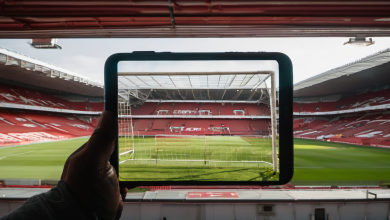
Featured image: The image shows a modern office interior. AI-generated image; not a photograph of the reported event.
David Kogan, chairman of the Independent Football Regulator (IFR), says he will resign if political interference occurs in the Manchester City case. This statement underscores the regulator’s core principle: independence in all decisions. Source: bbc.co.uk.
Regulator’s Commitment to Independence
When asked about Prime Minister Andy Burnham’s comments on a potential sale of Manchester City, Kogan told BBC Sport: ‘The Prime Minister is entirely entitled to make his own observations.’
He stressed that independence is not just a label—it is built into the IFR’s legal mandate. ‘No politician has tried to influence and would try to influence anything we do,’ he said.
What Would Trigger a Resignation?
Kogan made it clear: ‘I would resign’ if he faced political pressure. This is not a hypothetical stance. It is a personal, binding commitment to the regulator’s integrity.
He said any attempt to interfere—especially for political gain—would be met with his resignation. This reflects a standard in public service: leaders must protect neutrality when facing external influence.
Background of the Manchester City Investigation
An independent commission held a 42-day hearing that concluded last month. The report found Manchester City broke financial rules from 2009 to 2018. It identified breaches in how commercial deals were valued and disclosed.
The commission said ‘a number of important club witnesses gave false evidence in key respects and that some knowingly gave untrue and dishonest evidence.’ This points to serious lapses in accountability.
Manchester City denies wrongdoing and has appealed the findings. The club says the evidence does not meet the standard for rule-breaking. The appeal process could take months.
Key Facts and Timeline
- An independent commission held a 42-day hearing into Manchester City’s financial practices.
- The report found the club broke financial rules from 2009 to 2018, including issues with commercial deal valuations.
- Prime Minister Andy Burnham said he would be ‘really concerned’ if the Abu Dhabi owners sold the club. This sparked backlash from several Premier League clubs.
- The government released details of meetings between Burnham and senior City executives. The meetings included visits to the club and discussions about ownership.
- Kogan confirmed he would resign if political interference occurs. This reaffirms the IFR’s commitment to neutrality.
Political and Institutional Reactions
Burnham’s comments drew criticism from several clubs. Sources said some were ‘astonished’ and ‘concerned’ about political involvement in the appeal process.
Conservative MP Kemi Badenoch demanded full disclosure of all meetings between the prime minister and City executives. The government released these details on Monday, including dates, locations, and topics.
Shadow Culture Minister Louie French wrote to the government, citing ‘concerns about the IFR’s ability to adjudicate fairly, free from political interference.’ This reflects growing debate over political influence in sports governance.
Regulator’s Legal Authority
The IFR has powers to assess whether club owners, directors, and executives are fit to lead a club. It can recommend sanctions like fines, point deductions, or license revocation.
However, Kogan clarified: ‘We have no powers to prevent state ownership of clubs.’ This means the IFR does not block ownership models—only individual conduct.
Next Steps and Uncertainties
The independent panel will hold a sanctions hearing. This process is expected to take months. It will decide on any penalties for Manchester City.
The club can appeal both the guilty verdicts and proposed sanctions. This leaves the Premier League in uncertainty about the club’s future.
Kogan said the case raises ‘very serious issues’ if the club is found guilty. ‘We are waiting to see what the panel decides… and then we will act if needed,’ he said.
Why This Matters
This case is not just about one club. It raises questions about politics in sports governance. If political figures comment on club ownership, it could set a precedent.
Public trust in football depends on decisions being made on evidence, not political alignment. If the IFR appears compromised, trust in the entire system could weaken.
Limitations and Open Questions
The IFR’s powers are limited by the appeal process and long timelines. No final sanctions have been issued. The process is slow, and appeal stages lack transparency.
There is no public challenge to the IFR’s impartiality. The government has not disputed the findings. This absence may be seen as tacit acceptance.
It is unclear whether any political body will formally challenge the IFR’s process. Without such action, the regulator’s authority may appear unassailable—yet this could also mean a lack of accountability.
What to Watch Next
Key developments include:
- The outcome of the sanctions hearing, expected to take months.
- Whether Manchester City’s appeal is successful.
- Any public statements from the IFR or Premier League about political involvement.
- Whether the government releases further details about meetings between officials and club executives.
- The final report from the independent commission, which may include recommendations for financial transparency rules.
For more on the meetings between the prime minister and Manchester City, see Burnham to Release Details of Manchester City Meetings.
For analysis on how the case affects the club’s season, see Man City’s Statement Win Feels Irrelevant Amid Season in Limbo.
The case continues without resolution. The IFR remains committed to its duties. But the political context adds complexity. As the process unfolds, broader implications for UK sports governance will become clearer.