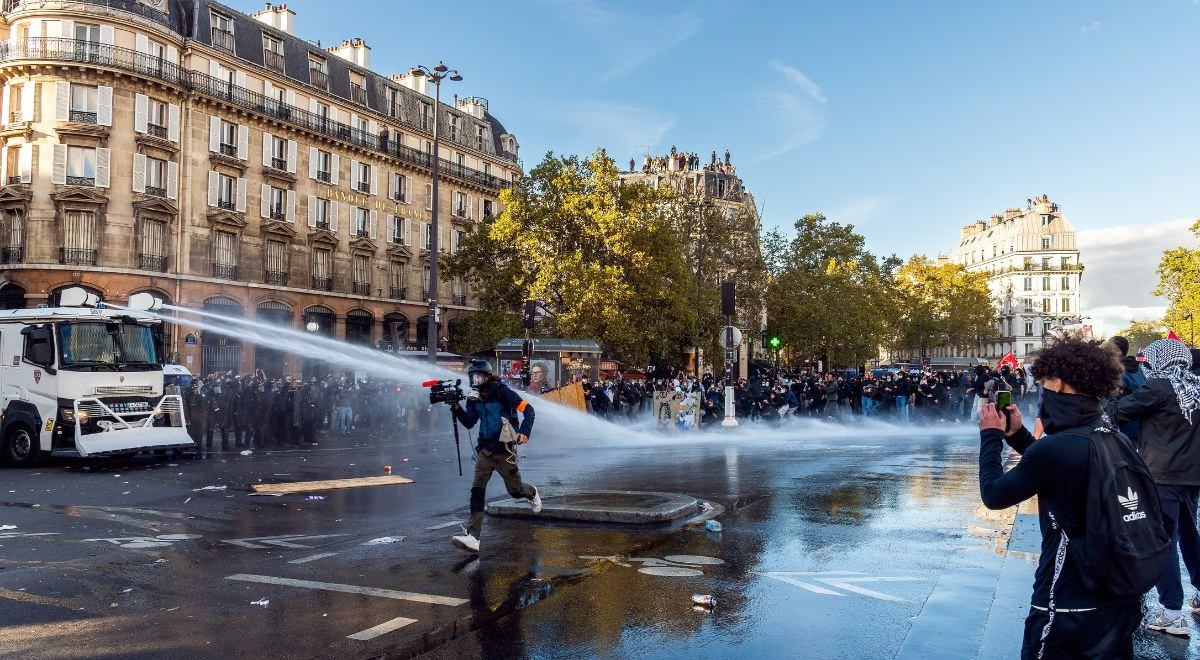
French officials have summoned six major tech companies to address content linked to recent riots. The meeting, held on Tuesday, includes Meta and TikTok. After three days of unrest, the government asked platforms to strengthen moderation of content that could incite or enable violence. Source: cybernews.com.
Government Calls for Content Moderation
Digital Affairs Minister Anne Le Hananff requested a video conference with tech firms. The goal is to remove posts that promote looting, arson, curfew violations, and violent behavior. The minister said social media has become a key tool for spreading unrest in real time across regions and demographics.
- Livestreams showing unrest are a key concern, especially those that document looting or arson live.
- Posts encouraging illegal activity—like breaking curfews or attacking property—are flagged as high-risk.
- Content that calls for curfew breaches is included in the government’s list, especially if it appears organized.
- AI-generated deepfakes and manipulated images are specifically targeted, especially when they distort real events.
Government officials say social media has shifted from public discussion to a tool for rapid mobilization. Looting has affected luxury brands like Louis Vuitton and Chanel, as well as small businesses that rely on daily customers.
Public Calls for Protests Spread Online
Messages promoting new demonstrations have spread widely on TikTok and X. These are called ‘ACT II’ and include threats of unrest on October 24 and a final date of October 31. Halloween is presented as the symbolic end point. Users describe an ‘alliance’ between housing projects in Paris and Marseille to carry out actions under the banner of ‘real darkness’ and societal change.
Le message se répand comme une traînée de poudre sur TikTok : une alliance Paris/Marseille est prévue entre casseurs à Paris le 24 octobre pour les « vraies ténèbres » et la fin le 31 octobre. Personne ne pourra dire qu’il ne savait pas.
French media see this as digital mobilization using social media’s reach and speed. While no official link exists between these posts and actual riots, the spread shows how digital platforms shape public sentiment and organize collective action.
AI-Generated Content Sparks Controversy
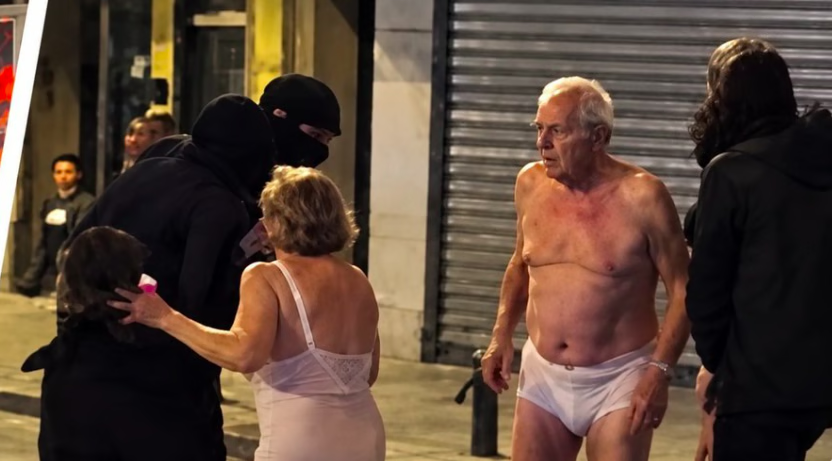
AI-generated images of elderly couples being forced to strip by police have gone viral on X. France 24 confirmed both images were created using SynthID, a digital watermark to detect synthetic content. The images mix humor with incitement, blurring the line between satire and propaganda.
France 24 verified the images were manipulated with synthetic watermarks. Though they don’t depict real events, their virality raises concerns about how AI tools can generate content that mimics reality and provokes public outrage.
There is no public record of whether these posts were removed. The spread highlights a growing challenge: distinguishing between satire and content that may incite public unrest.

Attal Proposes Targeted Social Media Blackouts
Presidential candidate Gabriel Attal has called for temporary, targeted blackouts in specific areas during riots. He argues such measures could stop the ‘herd effect’ of violent mimicry—where people imitate actions they see online. He stated: ‘Social media cannot serve as the rallying point for rioters and the driving force behind violent mimicry.’
His proposal reflects concern about how digital platforms amplify behaviors in real time. Live content creates a feedback loop, encouraging more users to join, even without direct calls to violence.
What the Government Is Asking Platforms to Do
The government has not confirmed any formal agreements or new policies. But it has asked platforms to:
- Proactively detect and remove posts that encourage looting or violence using tools and human review.
- Block livestreams showing unrest or illegal activity, especially unmoderated or unverified ones.
- Identify and remove AI-generated content that mimics real events, especially when shared without context or attribution.
- Monitor for content that promotes curfew violations, including posts that suggest or imply a plan to breach restrictions.
Only two of the six companies have been publicly named. The full list is not released. There is no public record of takedown numbers or enforcement timelines. This lack of transparency raises questions about platform accountability.
Limitations and Uncertainties
Key details remain unclear:
- Whether any formal agreements were reached, including timelines for content removal.
- Whether AI-generated content was removed quickly or continued to circulate under different names.
- Whether the ‘ACT II’ protest calls were real or part of a campaign to test public response.
- Whether targeted blackouts will happen, despite no discussion during the meeting.
While platforms have been blamed for spreading unrest, no direct link has been proven between specific posts and actual riots. The incident highlights growing concerns about how digital tools can organize and amplify violent content—especially when AI is involved.
France’s response shows a global challenge: balancing free speech with the need to prevent digital incitement to violence. As AI-generated content grows more realistic, platforms must build stronger detection systems and clearer reporting processes to protect public order without restricting legitimate expression.
Sources & further reading
Featured image: France puts Meta, TikTok, other platforms on notice over riot content. Via original publisher. Image source