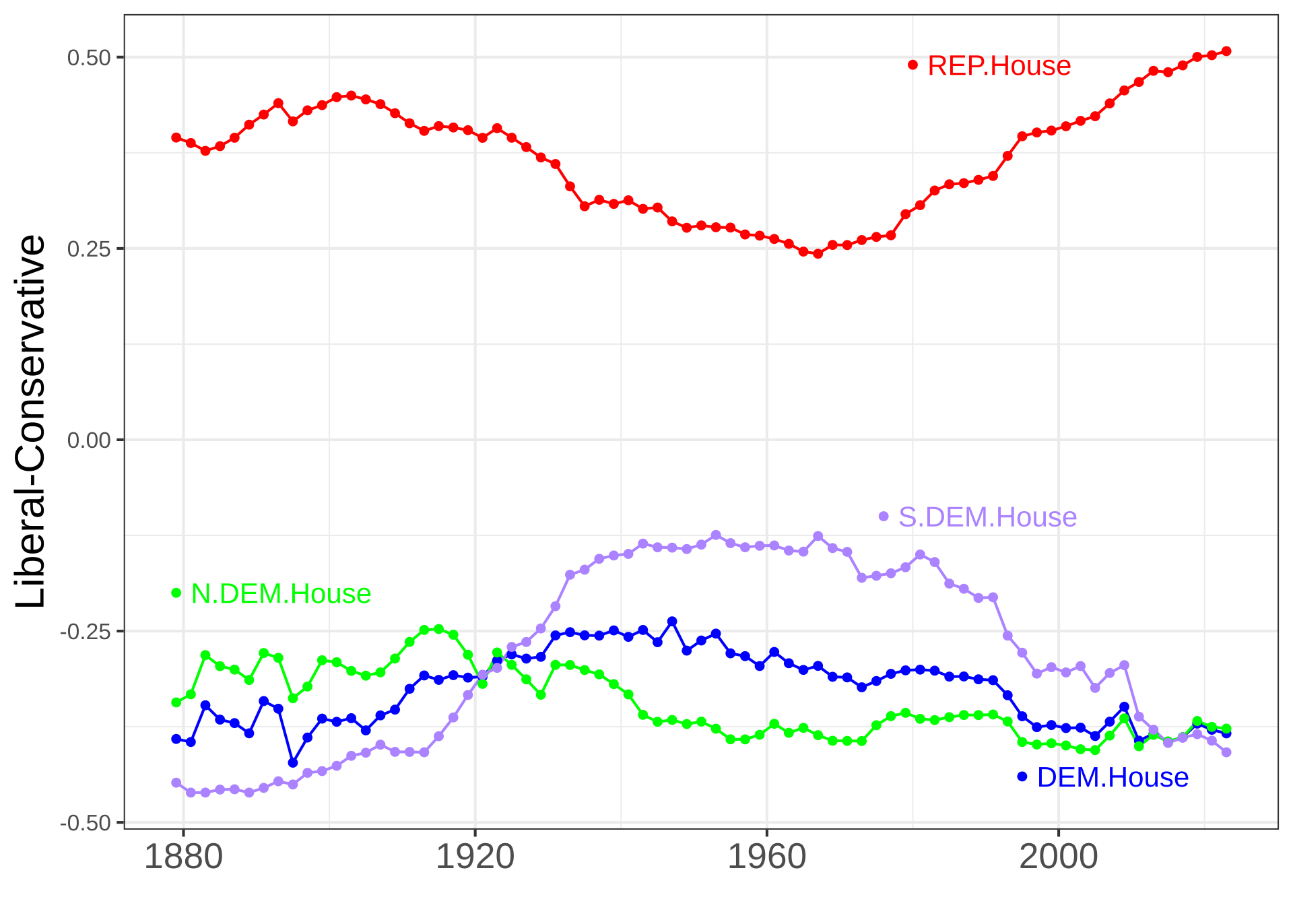
Political polarization is a well-documented feature of U.S. politics. A recent study of Gen Z shows they see it as less fixed than older generations.
Gen Z Sees Polarization as Malleable
Students in Stanford’s Democracy in the Balance course found Gen Z is more optimistic than any other group about bridging political divides.
“Polarization doesn’t seem to be a fixed trend in Gen Z’s minds,” said Jadon Urogdy. “We have a bright future. Our identities and views are still malleable, and that’s exactly why this moment matters so much.”
The research came from a nationally representative survey of 1,610 U.S. adults, with an oversample of Gen Z. The study was led by students under Ashley Fabrizio, head of research at More in Common and a Stanford alum.
Students Design and Run Their Own Survey
Fabrizio stressed that students should use their own intuition when designing surveys. “If we want to know what Gen Z’s political beliefs are, we should let our students, as members of Gen Z, decide what matters in a survey,” she said.
Students explored topics like online content on masculinity, religious revival, and beliefs about the American dream. They learned how to build questions, collect data, and analyze results—skills used in real-world research.
Online Engagement Does Not Distort Reality
Natalia Galperin, a Stanford psychology student, studied how social media affects Gen Z’s views of political opponents. She tested for “affective polarization”—hostility toward the other party.
She expected Gen Z to be more polarized due to heavy social media use. Instead, daily users were more likely to dislike the other party, but scores matched those of other generations.
“Greater social media engagement is generally linked to more polarized views of political parties, and the effect is seen at similar rates across all generations,” Galperin said.
She also tested for “perception gaps”—the gap between what people think others believe and what they actually believe. On immigration, Gen Z did not show wildly distorted views. This challenges the idea that online exposure warps political understanding.
Gen Z Is Not a Political Monolith
Gen Z holds diverse political views. The study found differences between Democrats and Republicans on whether polarization can be reduced.
Conservative and Republican Gen Z respondents were more confident that divides can be bridged. Liberals and Democrats believed polarization is harder to overcome—a finding consistent with prior research on how identity shapes views of government.

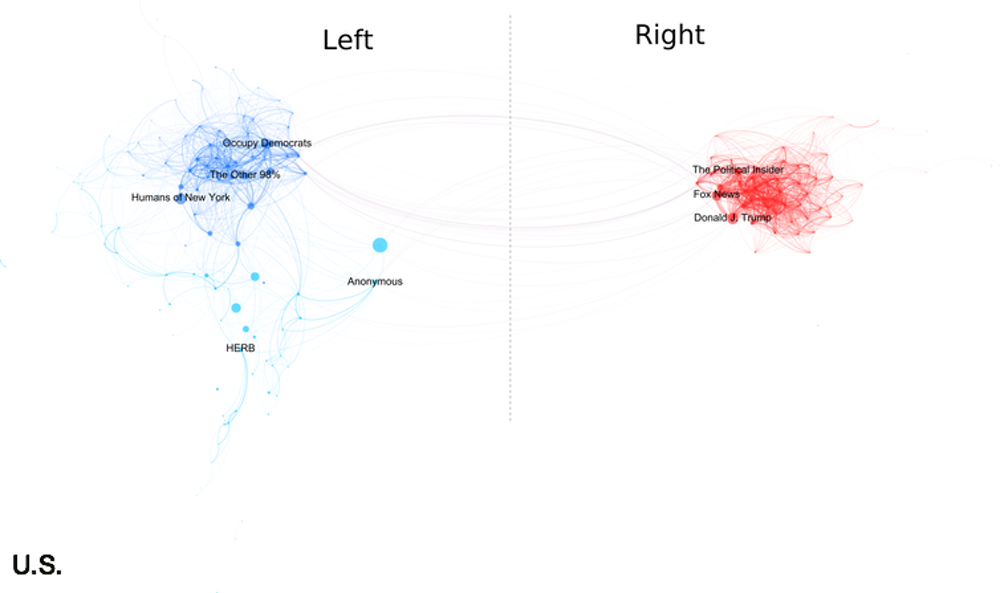
Galperin’s team found lower affective polarization among Republicans and Gen Z overall. Democrats who use social media daily showed larger perception gaps on immigration, suggesting deeper misperceptions in some cases.
Systemic Disillusionment
One student team found many Gen Z respondents blame problems like affordability crises on systemic failures in democracy—not specific policies or leaders.
A notable share said the system “is not capable of doing its job.” This reflects a widespread sense of political exhaustion.
“I think we’re all exhausted by the political system,” Uroging said. “There’s a feeling that what we want isn’t being turned into real change. Instead of animosity toward people across the aisle, there’s animosity toward the system itself.”
What This Means for Solutions
Urogdy is practical. He believes surface-level messaging won’t fix deep disillusionment. “We can’t say polarization will disappear if we will it away,” he said.
He argues for sustained civic engagement—efforts that rebuild trust in institutions while reforming them. “If Gen Z is still one of the most reachable generations, the answer is sustained civic engagement,” he said.
Fabrizio remains hopeful. “Gen Z is inheriting a polarized nation, but they are inheriting deep wells of democratic vitality,” she said. “America has a long history of self-government and communities committed to democratic values. Gen Z has high standards for our democracy—but living up to them is within reach.”
Limitations and Open Questions
The study has limits. It relies on self-reported data and doesn’t capture lived experiences beyond survey answers. The sample, while nationally representative, may not reflect all subgroups within Gen Z.
It does not explore how polarization affects daily actions like voting or activism. The research focuses on attitudes, not behaviors.
While social media may not distort facts, it amplifies emotional reactions. The study does not assess how online content shapes long-term political behavior.
More research is needed to understand how Gen Z’s digital habits affect political engagement and trust in institutions.
How Gen Z Engages with Political Content
Gen Z consumes political content through short-form video, live streams, and algorithm-driven feeds. This differs from older generations who relied on traditional media.
Platforms like TikTok and Instagram are key sources for young people. This format is personal and builds community. But it also creates echo chambers and spreads unverified claims. Still, the research shows Gen Z does not see these platforms as distorting reality—especially on issues like immigration or economic policy.

Demographic Variations Within Gen Z
Gen Z is not a single group. Urban youth are more likely to care about inequality and climate change. Rural or low-income youth often prioritize job security and affordability.
Religious affiliation and cultural background also shape views. Some Gen Z respondents report renewed faith involvement, which influences how they see issues like social justice or education.
Implications for Democratic Engagement
Reducing polarization must go beyond messaging. Gen Z’s skepticism of institutions does not mean apathy—it reflects a demand for transparency, accountability, and real outcomes.
Young people support civic efforts that solve real problems—like housing, climate resilience, or mental health access. When solutions are tied to tangible results, they are more open to dialogue.
Effective civic education teaches critical thinking, media literacy, and participatory democracy. These skills help young people navigate complex information and engage in democratic processes.
What to Watch Next
As Gen Z enters politics, their views on polarization will shape future debates. Their skepticism may influence how democratic reforms are designed.
Organizations like More in Common are using student-led research to shape public policy. The course model—where students design and run real surveys—could become a standard for civic education.
For insights into how campus communities build bridges, see Five Lessons Students Taught Us About Connecting Across Differences.
For broader societal trends, see How Longer Lives Are Changing Society.
For animal social behavior, see Chimps Steal Less From Friends.
For more on political polarization, visit the original source at Greater Good.
For academic context, see Ashley Fabrizio’s profile at Stanford. And explore More in Common for policy work on democratic engagement.
Sources & further reading
Featured image: Media literacy to counter political polarization per Ahmed Al-Rawi.webm by DavidMCEddy, CC BY-SA 4.0, via Wikimedia Commons. Image source · License