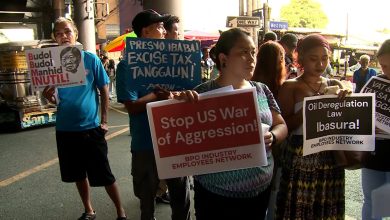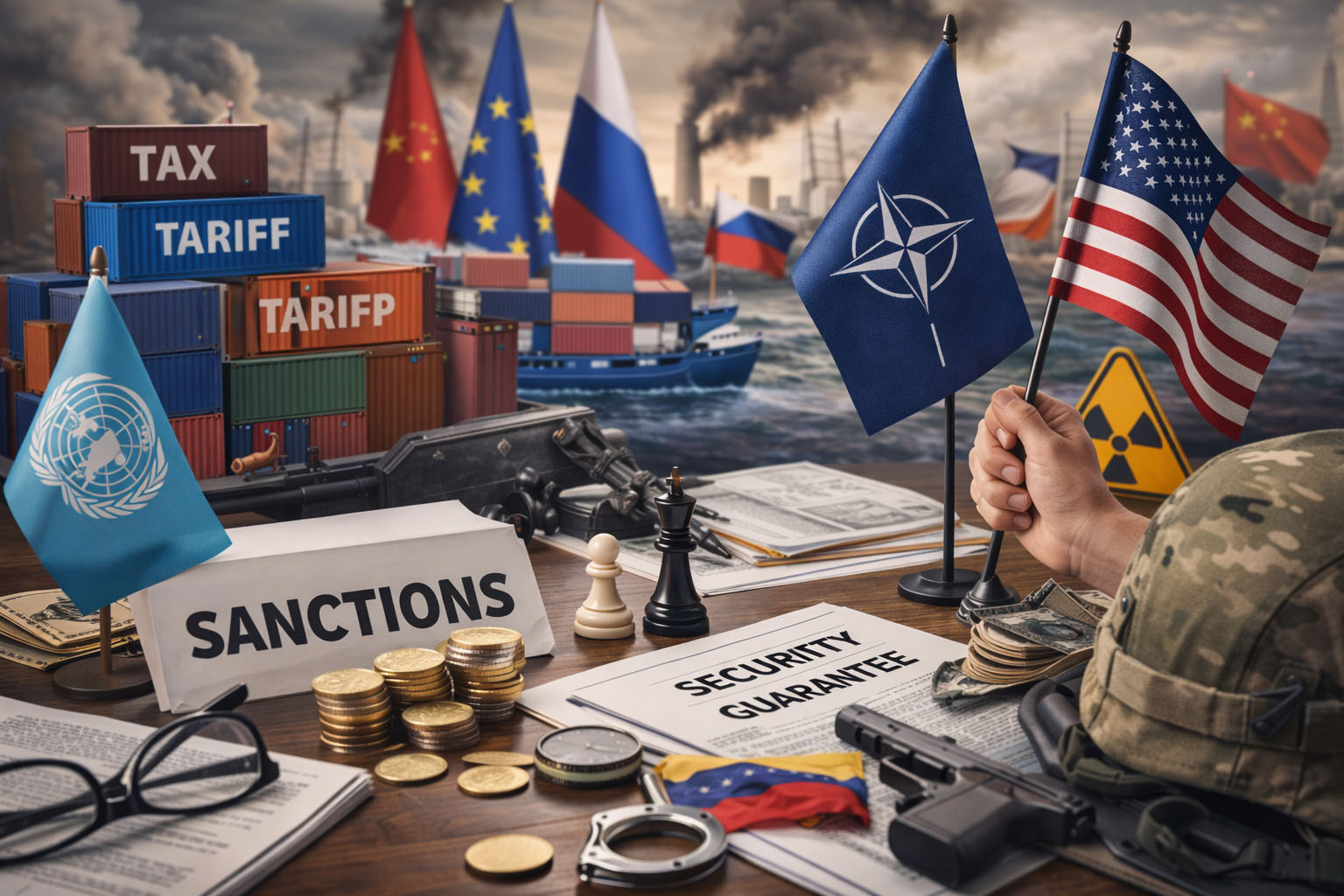
Geopolitics isn’t just about leaders meeting behind closed doors. It shapes what you pay for goods, how safe countries feel, and which nations gain influence. Three of the most powerful tools in global politics are sanctions, tariffs, and security guarantees. Understanding them helps explain headlines about trade wars, military alliances, and international crises.
This guide breaks each concept down clearly, shows how they work in real life, and explains why governments rely on them so heavily.
What Is Geopolitics?
Geopolitics is the study of how geography, economics, military power, and political relationships shape international behavior. Countries use a mix of economic pressure, trade incentives, and security commitments to protect their interests and influence others—often without firing a single shot.
1) Sanctions: Economic Pressure as a Political Tool
What Are Sanctions?
Sanctions are restrictions imposed by one country (or a group of countries) to pressure another government, organization, or individual to change behavior. They aim to limit access to money, trade, technology, or travel.
Main Types of Sanctions
- Economic sanctions: Block trade in goods like oil, weapons, or technology
- Financial sanctions: Freeze bank assets or block access to global payment systems
- Travel bans: Restrict visas or international movement for officials
- Targeted (smart) sanctions: Focus on specific people, companies, or sectors instead of entire populations
Why Countries Use Sanctions
- To deter military aggression
- To punish human rights violations
- To stop nuclear or weapons development
- To signal international disapproval without going to war
Real-World Impact
Sanctions can:
- Raise prices and limit consumer goods
- Hurt national currencies and investment
- Pressure political elites by isolating them financially
Limitations: They don’t always change government behavior and can sometimes harm civilians more than leaders.
2) Tariffs: The Politics of Trade and Protection
What Are Tariffs?
A tariff is a tax placed on imported goods. Governments use tariffs to make foreign products more expensive and encourage people to buy domestic alternatives.
Why Governments Use Tariffs
- Protect local industries from cheaper foreign competition
- Create leverage in trade negotiations
- Respond to unfair trade practices (like dumping or subsidies)
- Generate government revenue
How Tariffs Affect You
- Higher prices on imported products (electronics, clothing, food)
- Changes in job markets as industries grow or shrink
- Shifts in supply chains as companies move production
Trade Wars Explained Simply
When countries respond to each other’s tariffs with more tariffs, it becomes a trade war. This can slow global trade, raise costs for businesses, and impact stock markets.
3) Security Guarantees: Promises of Protection
What Are Security Guarantees?
A security guarantee is a promise by one country (or alliance) to defend another if it’s attacked. These guarantees are usually formalized in treaties or defense agreements.
Common Forms
- Military alliances (e.g., collective defense pacts)
- Defense treaties between two countries
- Military basing agreements
- Training and weapons support programs
Why They Matter
Security guarantees:
- Deter attacks by raising the risk for aggressors
- Reassure smaller or vulnerable nations
- Strengthen regional stability
- Expand influence of powerful countries
Risks and Responsibilities
If a guaranteed country is attacked, the protecting nation may be obligated to intervene militarily, which can escalate regional conflicts into global ones.
How These Tools Work Together
In modern geopolitics, these tools are rarely used alone.
Example Strategy
A government might:
- Impose sanctions to weaken an opponent’s economy
- Apply tariffs to protect its own industries or pressure negotiations
- Offer security guarantees to allies in the region to maintain balance of power
This mix allows countries to compete and influence outcomes without direct warfare.
Who Uses These Tools?
- Major powers use them to shape global systems and protect strategic interests
- Alliances use them to act collectively and increase impact
- Smaller nations use them to gain protection or leverage through partnerships
Why This Matters in Daily Life
Geopolitical decisions can affect:
- Fuel and energy prices
- Availability of technology and electronics
- Job markets and manufacturing
- Travel and visa access
- Currency values and investments
What happens at the diplomatic table often shows up later in supermarket prices, business costs, and economic growth.
The Big Picture: Power Without War
Sanctions, tariffs, and security guarantees represent a form of “soft and hard power combined.” They allow countries to compete, deter, and negotiate in a world where full-scale war is costly and risky—but influence still matters deeply.
FAQ: Quick Answers
Are sanctions legal under international law?
Some are approved by international bodies, others are imposed unilaterally. Legality can be debated depending on the framework used.
Do tariffs always help local workers?
Sometimes, but they can also raise costs for businesses that rely on imported parts.
Are security guarantees permanent?
They last as long as treaties remain valid, but political changes can alter commitments.
Sanctions shape behavior, tariffs shape trade, and security guarantees shape peace. Together, they form the backbone of modern geopolitics—tools that define power in a connected world.
If you’d like, I can also write a student-friendly version, a business-focused guide, or a news-style article based on this topic.
-

-
-

-