Smart glasses have sparked a global wave of restrictions in public and institutional spaces. The rise of Meta’s Ray-Ban smart glasses has prompted widespread concern over privacy, consent, and surveillance.
What Happened
Over the past two years, governments, schools, courts, and private organizations have introduced or updated policies banning or restricting the use of camera-enabled smart glasses. As millions of units were sold globally, the technology began to be used more frequently in public settings—ranging from city parks to school campuses and courtrooms.
These actions span a wide range of institutions—from schools and courts to music festivals and fitness studios. The primary driver behind these policies is the growing number of incidents where individuals have been recorded without their knowledge or consent. In many cases, these recordings have been shared online, leading to public harassment, reputational damage, and even threats of physical harm—particularly in cases involving women and marginalized communities.
For example, in one documented incident in the United Kingdom, a woman was filmed in a public park while walking with her dog. The video, captured by a Meta Ray-Ban smart glass, was later posted on social media without her consent. The footage included her face and personal details, and it was shared widely, prompting a public outcry. Such cases have fueled broader debates about digital consent, personal boundaries, and the ethics of wearable technology in public spaces.
Key Locations and Policies
- The group cited concerns about personal safety and privacy, noting that the technology enables secretive filming and can leave individuals unaware they are being recorded. Exceptions were made for people with visual impairments who rely on smart glasses for mobility and navigation.
- Hobart, Australia – The City of Hobart banned smart glasses in its swimming pools in October 2026. The decision followed public complaints about individuals being filmed in private areas without consent. The ban applies to all public pools and leisure facilities, with officials stating that users should not have to worry about being secretly recorded.
- Victoria, Australia – Schools in southeast Australia will implement a ban on smart glasses starting in 2027. This policy expands on existing phone bans and reflects growing concerns about student privacy and academic integrity. Deputy Premier Gabrielle Williams stated that the ban is necessary to protect students and staff from potential misuse of recording devices.
- United Kingdom – A wide range of institutions, including courts, music venues, and pub chains, have implemented bans. These include the HM Courts and Tribunals Service, which prohibits the use of smart glasses in all courts and tribunals. Users who bring such devices into facilities will have them confiscated upon entry and returned when they leave. Similarly, Jeremy King Restaurants, a chain of eateries in London, banned smart glasses to protect guest privacy and comfort.
- United States – Federal agencies such as Immigration and Customs Enforcement (ICE) and the U.S. Air Force have banned staff from wearing smart glasses in official workspaces. ICE cited concerns that the devices could record sensitive information and compromise legal protections. The U.S. Air Force prohibited personnel from wearing smart glasses with recording capabilities while in uniform, citing risks to operational security.
- The Ministry of Education confirmed that the devices were used to access test content and transmit answers in real time. This incident led to a nationwide review of academic integrity and the use of wearable technology in educational settings.
Some bans are specific to certain venues, while others extend to entire institutions or public services. For instance, the Body Movements Festival in London updated its policies to prohibit smart glasses and similar eyewear, stating explicitly that it is not a place for surveillance culture or non-consensual filming. The venue emphasized that such actions violate its core values of inclusivity and personal safety.
Why It Matters
Smart glasses allow users to record audio and video discreetly—often without the wearer’s awareness. Unlike traditional cameras, which are typically visible and require deliberate activation, smart glasses are designed to look like regular eyewear. The recording function is often invisible to others, especially in bright light or when the user is not actively gesturing to activate the device.
When used in public, they can capture intimate moments, conversations, or personal interactions without consent. These recordings may include sensitive topics such as personal relationships, medical discussions, or private conversations between friends or family members. Once posted online, such content can be shared widely, often without the individuals involved having a chance to respond or object.
Concerns have been raised about the potential for misuse, including harassment, exploitation, and non-consensual content sharing. In one case in the United States, a man was recorded during a conversation at a public park and later shared the video on social media. The video included a personal discussion about his family, and the woman involved reported feeling violated and anxious. She said she had no idea she was being recorded and had no opportunity to request that it be removed.
Liz Hunter, founder of the Stop Smart Glasses campaign in the UK, said: ‘Governments and lawmakers need to take this seriously because they haven’t really thought about the end situation.’ She warned that if the technology becomes normalized, people may begin to assume that all interactions are being recorded—leading to a culture of constant surveillance. This could result in individuals altering their behavior, avoiding open conversations, or self-censoring in public spaces.
How the Technology Works
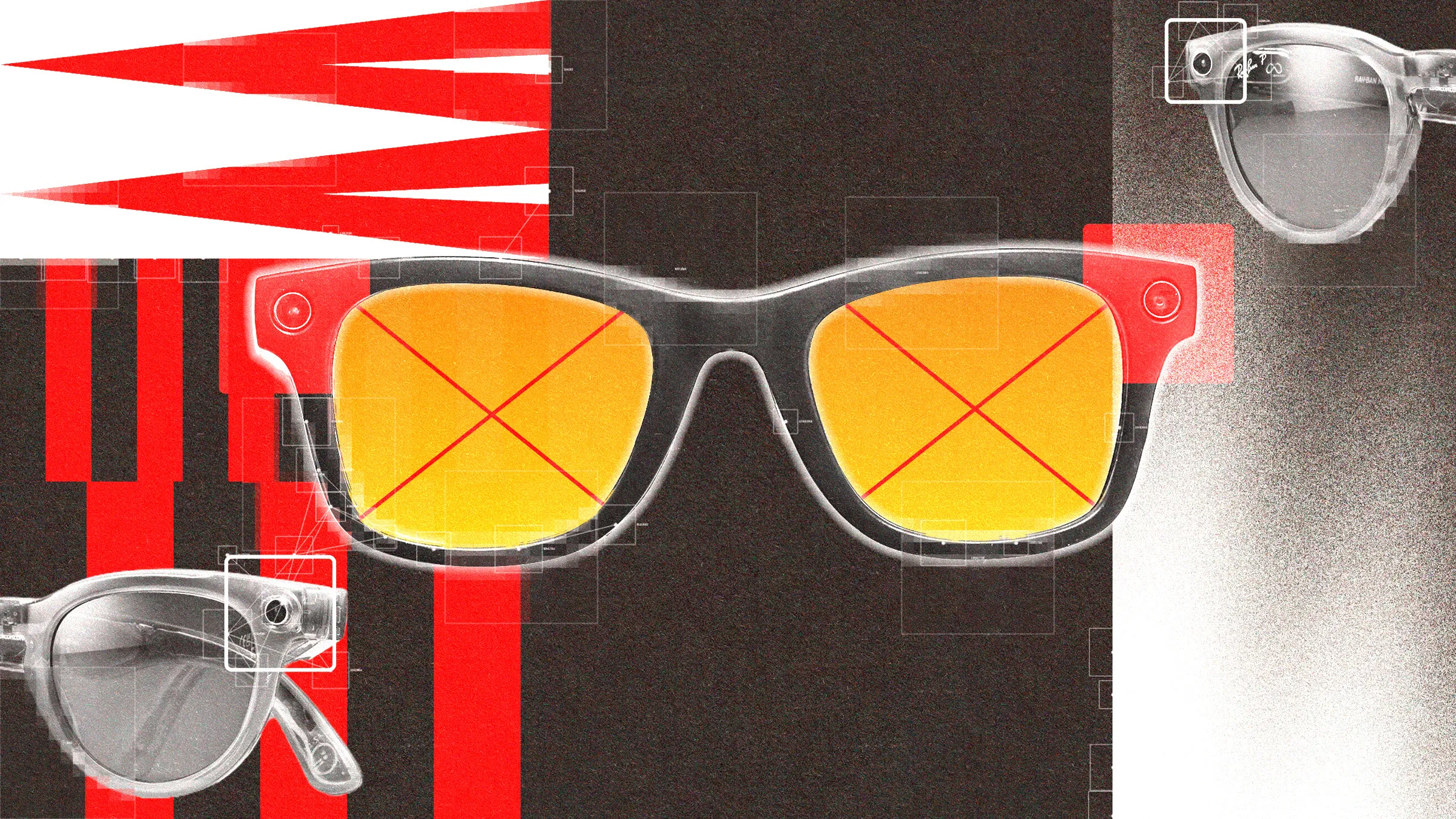
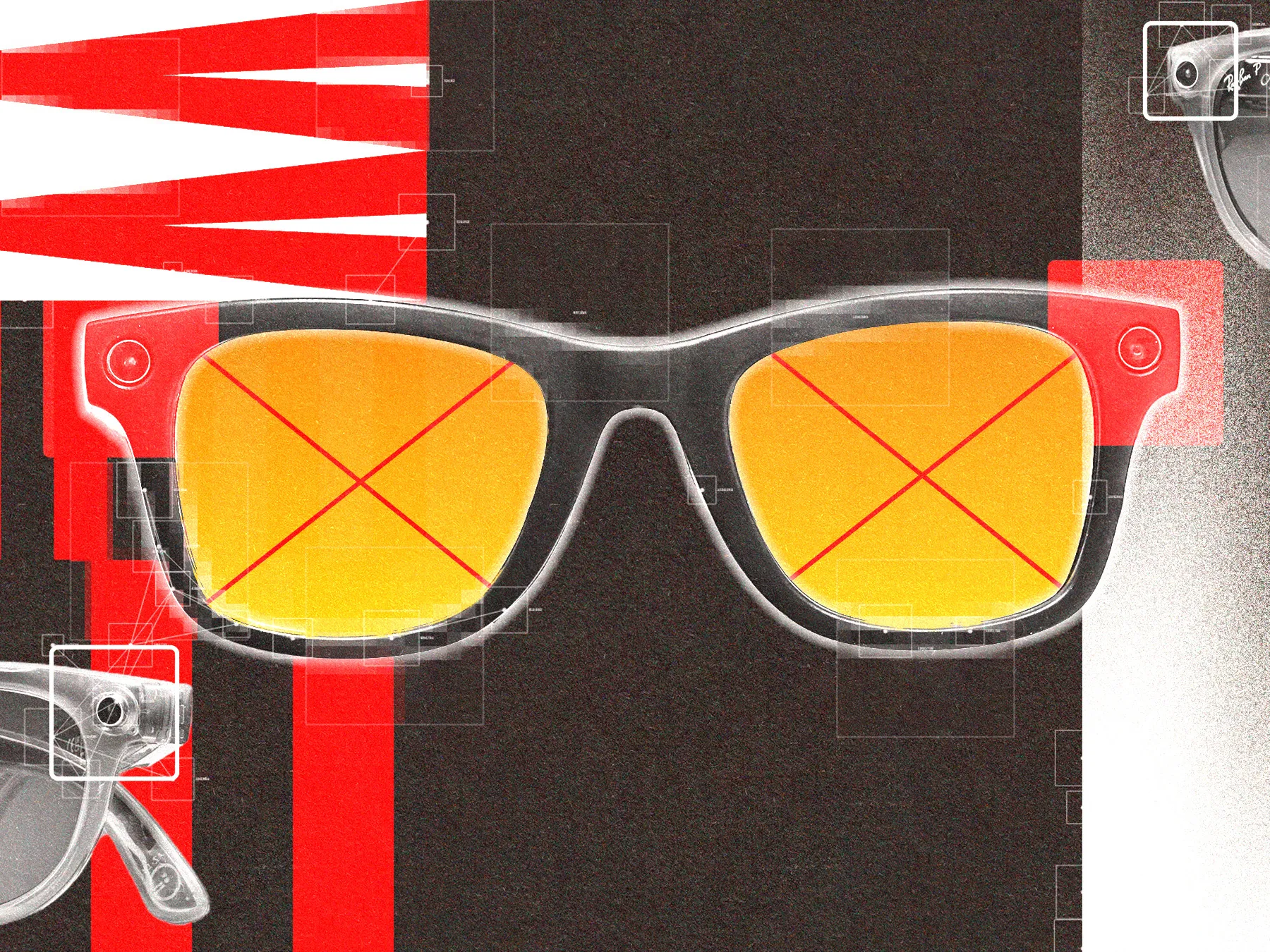
Meta Ray-Ban smart glasses are designed to look like standard sunglasses. They include a small camera and sensors that can record video, take photos, and stream content in real time. Users can activate recording with a simple gesture or tap—such as tilting the head or pressing a button on the side of the glasses.
A flashing light alerts others when recording is active. However, this light is often subtle or not visible in bright light. In some conditions, such as direct sunlight or indoor lighting, the light may be completely invisible. This makes it easy for people to miss that a recording is happening.
Some users report that the glasses are used to record conversations, events, or personal moments without the knowledge of others. For example, a student might use smart glasses to record a classroom discussion during a lesson, or a visitor might record a conversation at a music festival without the people involved knowing.
Additionally, smart glasses can connect to smartphones or other devices via Bluetooth or Wi-Fi, allowing users to instantly upload or share recordings. In some cases, AI-powered features allow the glasses to recognize faces, detect emotions, or even transcribe spoken words in real time—raising further concerns about data collection and privacy.
Who Is Affected?
Public spaces are the primary concern. Students, employees, guests, and attendees in schools, courts, gyms, and entertainment venues are all at risk.
For instance, in schools, smart glasses could be used to record classroom discussions or student interactions—raising concerns about academic integrity and student privacy. Teachers may worry that their lessons or classroom dynamics are being recorded and shared without their knowledge or consent. Students may also feel uncomfortable knowing that their peers or teachers could be recording them during class.
At music festivals and clubs, attendees may feel violated when they are unaware they are being recorded. In one incident at the Body Movements Festival in London, a fan reported being filmed while speaking to a performer. The fan said she was not aware of the recording and felt embarrassed when she later learned the video had been shared online.
At courts, the risk is higher. Proceedings are sensitive and protected by law. Unauthorized recording is already illegal in many jurisdictions. The use of smart glasses in such settings could violate court rules and compromise the integrity of legal proceedings. In some cases, recordings may contain confidential information about witnesses, jurors, or legal arguments—information that must remain protected.
Responses from Institutions
Many organizations have responded by updating their policies to include smart glasses. These responses range from outright bans to restrictions on specific uses.
- Basement (New York) – Banned smart glasses, stating they are incompatible with its no-photo policy. The venue said that devices allowing discreet recording are incompatible with its commitment to privacy and guest comfort.
- Body Movements Festival (London) – Said it is not a place for surveillance or exploitation. The festival emphasized that it values personal space and privacy, and that non-consensual filming undermines the trust between attendees and performers.
- Defcon (Las Vegas) – Explicitly prohibited Meta-style glasses, noting no exceptions for prescription lenses. The organizers posted on Bluesky: ‘Meta-style glasses with recording capabilities are prohibited at DEF CON. There is no exception for recording glasses with prescription lenses. Be sure to pack non-violating eyewear if you need them.’
- Flight Fitness (Leicester) – Said smart glasses violate trust in fitness classes. The studio noted that participants often share personal experiences and emotions during workouts, and that recording without consent undermines the sense of community and mutual respect.
- Monopoly Events (UK) – Said talent and agents reported discomfort with secret filming. The company stated that several attendees expressed concerns that they might not continue to attend in-person events if they were being recorded in secret. This feedback led to a policy update to prohibit all recording devices.
Some organizations, like Royal Caribbean, have not banned smart glasses entirely but restricted their use in private areas such as spas, changing rooms, and medical facilities. The policy states that smart glasses cannot be used in any location where there is a reasonable expectation of privacy.

Others, like Southwest Airlines and Delta, have banned staff from using smart glasses in work environments. Southwest announced in an internal memo that staff are not permitted to use smart glasses while working on the ‘frontline’ or at corporate headquarters. Delta similarly prohibited staff from wearing smart glasses in work environments, citing concerns about data privacy and operational integrity.
Government and Regulatory Actions
While no country has passed a comprehensive law banning smart glasses, several have taken action in specific domains. These actions reflect a growing trend of institutional self-regulation in response to public concern.
- Colorado, US – Banned all smart glasses in courthouses, regardless of manufacturer, make, model, or type of embedded technology. The U.S. District Court for the District of Colorado stated that the use of such devices in courtrooms violates the integrity of legal proceedings and undermines public trust.
- West Wisconsin, US – Explicitly included Meta glasses in its ban on recording devices. The policy update states: ‘This includes Meta glasses, Google Glass, and any other eyeglasses, prescription or non-prescription, that have recording capability.’
- Utah, US – Laws prohibit AI glasses during school hours unless approved by local school boards. This reflects a broader concern about student privacy and academic integrity.
- South Korea – Banned smart glasses in exam halls after a nationwide incident involving cheating tools. The Ministry of Education confirmed that students used AI-enabled devices to access test content and transmit answers in real time.
These actions show that institutions and governments are responding to real-world incidents and public pressure. However, many of these policies are not legally binding or enforceable at the national level. Enforcement varies widely, and compliance depends on individual organizations or local authorities.
Meta’s Response
Meta has defended its technology as useful and neutral. In a statement, a Meta spokesperson said: ‘People use our glasses because they’re helpful and let them stay in the moment, from listening to music to live translation or hands-free calls.’
The company also said: ‘They also provide critical new technology that helps some wearers stay independent and limiting how it can be used would be a major step backwards.’
Meta acknowledged that some places should not be filmed—such as courts—but said existing rules should be applied consistently. The company did not defend the use of smart glasses in private or personal interactions, nor did it address concerns about non-consensual recording or the potential for misuse in public spaces.
Meta has not issued a public policy on how to handle situations where individuals are recorded without consent. This lack of guidance has drawn criticism from privacy advocates and civil society groups, who argue that the company has a responsibility to establish clear ethical guidelines for its products.
Limitations and Open Questions
Not all bans are uniform or legally binding. Many policies are internal or venue-specific. They do not reflect national laws or regulations. There is no global standard for smart glass use. Enforcement varies widely across regions and institutions.
Some critics argue that the bans may be reactive—responding to incidents rather than addressing the underlying risks. Others point out that the technology is still evolving. AI-powered features may grow more powerful in the future, potentially enabling features such as facial recognition, emotion detection, or real-time data analysis—all of which raise new privacy and ethical concerns.

Questions remain about how to balance innovation with privacy, and how to define what constitutes acceptable use. For example, should smart glasses be allowed in public spaces at all? If so, under what conditions? Should there be a legal requirement for users to disclose when they are recording? Should there be a standard for consent—such as a visible notification or a mandatory opt-in process?
As of now, no international body has established a framework for the ethical use of smart glasses. The current landscape relies on individual institutions and private companies to set their own rules, often in response to public pressure or specific incidents.
What to Watch Next
Regulators may soon consider formal legislation on wearable recording devices. As more companies enter the smart glasses market—such as Google with its camera-equipped glasses—public scrutiny will grow.
Apple and others are reportedly developing augmented reality glasses, which may face similar scrutiny. These devices could include features such as real-time translation, navigation, or AI-assisted communication—features that may also raise privacy and consent concerns.
Legal challenges may arise over whether smart glasses fall under existing privacy laws or require new regulations. For instance, do current laws on personal privacy, such as the General Data Protection Regulation (GDPR) in the EU, apply to recordings made by smart glasses? Are there specific rules about consent when using wearable technology in public?
Public awareness and debate about surveillance culture will likely continue to grow. As smart glasses become more common, institutions and governments will need to define clear boundaries for their use—especially in sensitive environments such as schools, courts, and healthcare facilities.
Until then, the debate over privacy, consent, and technology will remain central to public discourse. The global crackdown on Meta smart glasses reflects a broader concern about digital privacy and the ethics of AI-powered devices in public life.
As smart glasses become more common, institutions and governments will need to define clear boundaries for their use. Without such guidance, the risk of a culture of silent surveillance grows, where individuals are unaware they are being recorded—and have no way to protect themselves.
Source: Wired
Sources & further reading
Featured image: original publisher image. Via original publisher. Image source