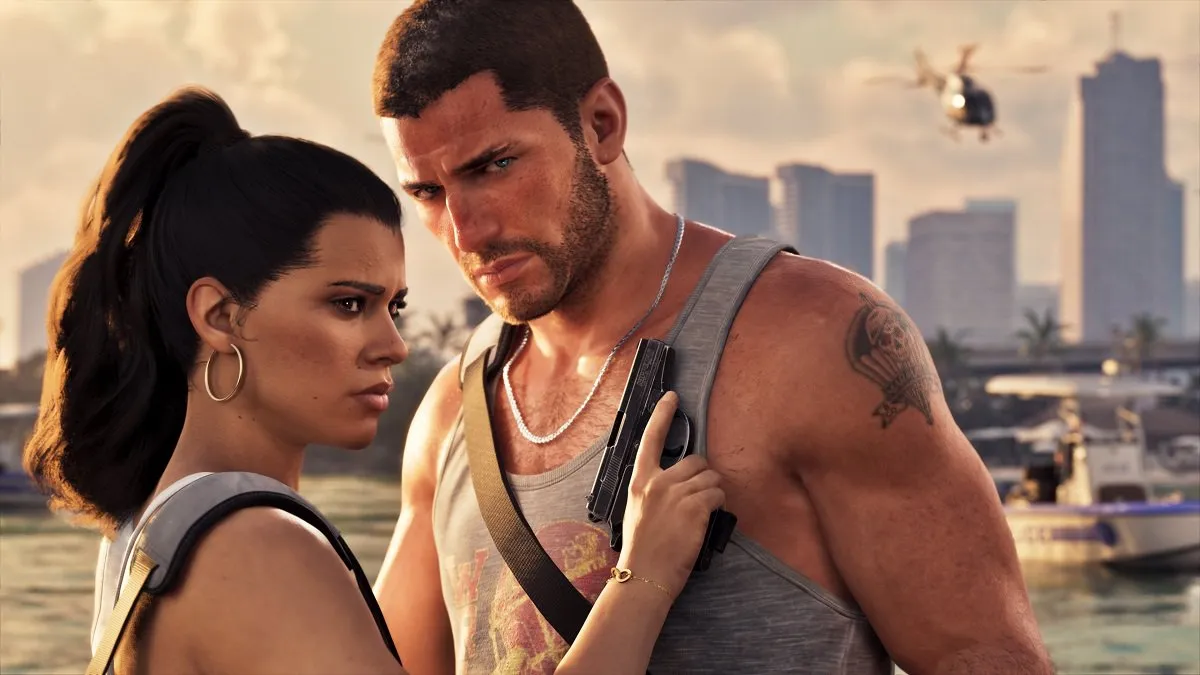
Does GTA 6 deserve its success? A collection of reader responses to a question about the game’s instant cultural impact and reception. Source: metro.co.uk.
Success Without Criticism
A reader argues that GTA 6’s financial performance makes criticism irrelevant. The game has already generated massive revenue, regardless of reviews or fan reactions.
They note that both near-perfect scores and negative backlash matter little in the face of its scale. The game is described as the biggest thing ever in gaming history.
Their concern is that such dominance may discourage Rockstar from addressing issues already raised by critics. They dismiss technical limitations like a 30fps cap as insignificant, saying only a tiny fraction of fans care about such details. This perspective reflects a broader debate about whether a game’s commercial success should be considered a validation of its design, or whether it merely reflects market forces and consumer behavior.
Legacy and Unrepeatable Innovation
Another reader calls GTA 6 a once-in-a-lifetime achievement. They believe the game was initially undersold by marketing, which may have helped it exceed expectations.
They acknowledge the game’s technical ambition—its level of detail and graphics—was far beyond what most expected. This leap, they argue, is unlikely to be matched again.
They point out that no other company could afford to invest such a large sum in a single game. Rockstar has made it clear it won’t take 13 years to make the next title, so future games won’t match this scale. This financial and creative commitment sets a new benchmark in the industry, where the cost of development and the time required to produce a single title have historically been major barriers to innovation.
Player Experiences and Technical Challenges
A reader from the West Midlands reports a 48-hour download time on a 35Mbps connection. This delay affected their internet services, including their TV.
They say the experience was stressful and suggests that if this is the future of gaming, they will not participate. Yet they add that once played, the game feels huge and immersive. This anecdote highlights a growing concern about digital infrastructure and how it impacts access to modern gaming experiences.
Exploration and Game Design in Queen’s Domain
A reader highlights a different game—Queen’s Domain—as their favorite of the year. It is a first person role-playing game with rich exploration elements.
Secret doors and hidden pathways lead players off original objectives. Combat is described as passable but enhanced by weapons that level up with use. The game rewards exploration, offering players a sense of discovery and progression that is central to many role-playing experiences.
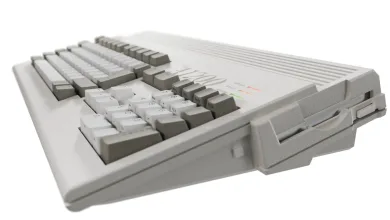
They note the retro graphics and initial difficulty may deter some players, but overall, the experience is enjoyable and rewarding. This game serves as a contrast to GTA 6, illustrating how different design philosophies—such as emphasis on exploration versus open-ended freedom—can shape player engagement and satisfaction.
Early Gameplay and Design Concerns
A reader wanted to experience the game in surround sound and waited until their amplifier was replaced. They say the wait was worth it and express excitement about future content. This anecdote underscores how personal circumstances can influence player experiences, and how immersion is not solely dependent on gameplay mechanics but also on environmental and emotional factors.
Female Character and Narrative Critiques
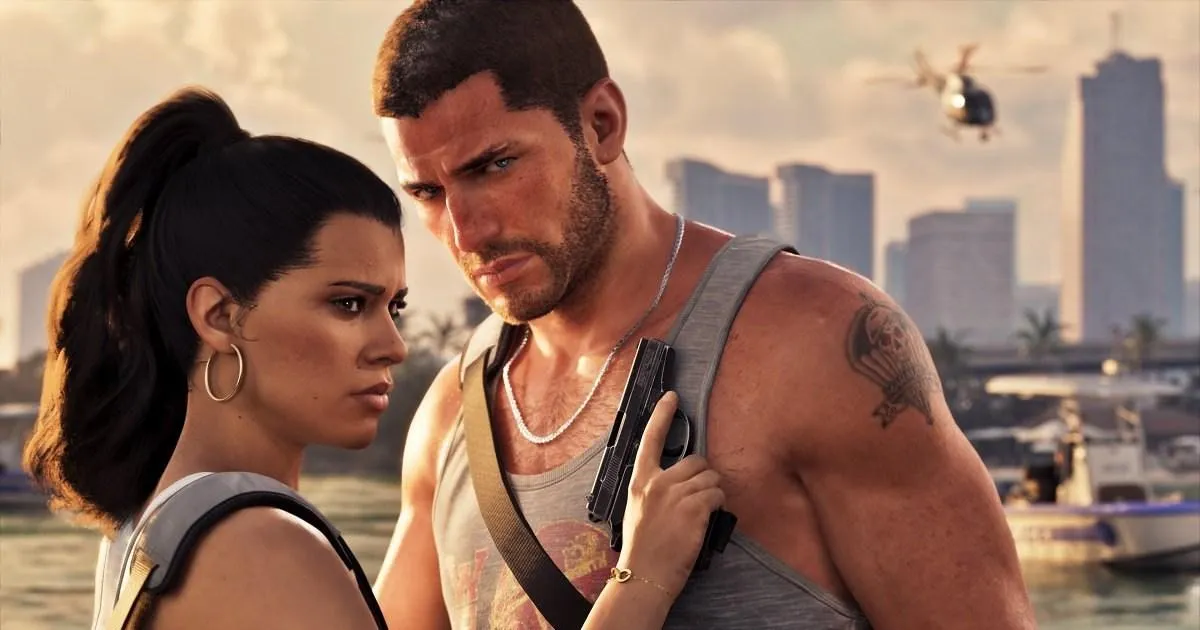
A reader raises concerns about the introduction of a female character, Lucia. They describe her as visually impressive but note that she knocks out a male cop, which their partner found amusing.
They argue that the game removes real-world elements like sex workers, despite GTA’s history as a crime-focused narrative. This omission is seen as inconsistent with the game’s genre, which traditionally explores the seedy underbelly of urban life.

They suggest this may be a deliberate choice to align with modern values or to avoid controversy, but it also risks undermining the game’s authenticity. The absence of sex workers—real-world figures that exist in many urban environments—raises questions about whether the game is still grounded in its roots as a social commentary on crime and urban decay.
Additionally, the reader criticizes the ‘good/bad meter’ system, which gives players horns for bad actions. This mechanic is seen as both a design flaw and a narrative inconsistency, as it introduces a moral framework that feels artificial and out of step with the game’s otherwise chaotic tone.
They find the main character, Jason, dull and unengaging. They express a preference for playing as Lucia and say Donnie would have been a more entertaining character. This reflects a broader trend in player feedback: the desire for more diverse and nuanced character options, especially in games that aim to represent a wide range of identities and experiences.
The visual design of the game, particularly the lighting and environmental detail, is praised as exceptional. The lighting effects are described as off the charts, making GTA 5 look outdated by comparison. This level of detail suggests a significant leap in technical capabilities, which may be one of the most tangible achievements of the game.
Player Feedback and Future Reviews
A reader says they are looking forward to a review of GTA 6 and The Sims, citing the hype and social media backlash as reasons for anticipation.
They expect the review to be published by Thursday or Friday. This reflects a broader interest in independent evaluation of the game’s design and reception. Independent reviews are critical for providing balanced perspectives, especially in the case of a game that has generated intense public and media attention.
Such reviews help separate subjective hype from objective analysis, allowing players to form informed opinions based on actual gameplay rather than marketing narratives. The anticipation for a review also highlights how player communities are increasingly turning to external validation to assess the quality of new releases.

Player Frustrations and Game Mechanics
One player describes gameplay as feeling like The Sims, citing repetitive tasks and awkward interactions.
They complain about controls, accidental attacks, and the need to perform emotional tasks like feeding a pet snake or buying a necklace for a prison girlfriend. These mechanics are seen as artificial and inconsistent with the game’s core identity as a crime-based open-world experience.
They question why friends in the game are either annoying or poorly written. They also note that a character chats up their prison girlfriend shortly after meeting her. This behavior feels out of place and undermines the game’s realism, suggesting a disconnect between narrative design and player expectations.
They express a desire to leave a party and play independently, but the game does not allow that easily. This limitation suggests a lack of player agency in certain situations, which can diminish the sense of freedom that is central to open-world games.
Community and Longevity
A long-time reader claims they have been reading Metro since the Teletext days—around 30 years.
They joke that if anyone has a longer history, they are the angriest pig alive. The comment reflects a deep connection to gaming media over decades, illustrating how gaming culture has evolved from early text-based systems to immersive, visually rich experiences.
This long-term engagement with gaming media highlights the role of consistent content in shaping public perception and community identity. The reader’s dedication underscores the importance of sustained media coverage in building and maintaining player interest over time.
What to Watch Next
As GTA 6 continues to be played, attention will focus on how players respond to its mechanics, narrative choices, and long-term design.
Community feedback, especially around character design and gameplay flow, will shape future discussions about the game’s direction. The evolution of player expectations in response to such a high-profile release will also influence how future games are developed and marketed.
For insights into character design and player agency, explore Patrick Stewart’s Best Video Game Role and the Future of Game Design.
For a contrast in game design philosophy, read Hunter’s Moon Review – English Folk Horror That’s Just in Time for Halloween.
Sources & further reading
Featured image: original publisher image. Via original publisher. Image source