A man with paranoid schizophrenia killed three elderly men in Exeter in 2019 during a psychotic episode. He was released from police custody twice in just 48 hours before the attacks. This case highlights how failures in mental health and police response can lead to tragic outcomes when risk assessments are ignored or misjudged. Source: theguardian.com.
What Happened
Two days before the killings, Alexander Lewis-Ranwell broke into a farm in Exeter. He was arrested and released shortly after. The arrest ended with his release despite visible signs of mental distress.
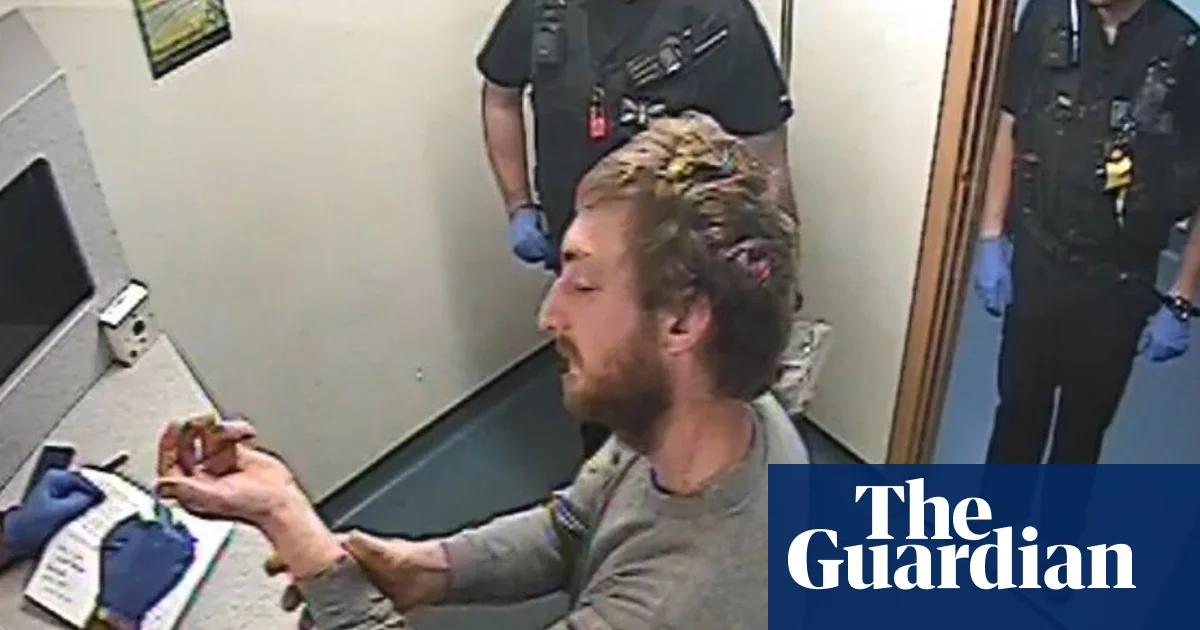
Two days later, he was arrested again for attacking a farmer with a 1.2-metre (4ft) logging saw. Bodycam footage showed him semi-naked, hissing, spitting, and punching at the cell hatch. He shouted about paedophiles and claimed to see animals—behaviours that clearly indicated a psychotic episode.
Both arrests ended with his release. Within hours of the second release, he began a violent rampage. He bludgeoned Anthony Payne, 80, and killed twin brothers Roger and Dick Carter, both 84. He used hammers and spades, showing clear intent to cause harm.
Key Failures in the Process
Police ignored warnings from a national mental health database. The database had flagged Lewis-Ranwell as high-risk due to past incidents and mental health history.
A mental health assessor was sent to evaluate him. But the doctor lacked training in schizophrenia and dismissed his erratic behaviour as ‘incoherent’.
Key details about his condition were not recorded or shared. This gap left agencies with a fragmented view of his risk.
Officers did not know they could detain someone under the Mental Health Act without a medical assessment. This legal gap meant no action was taken when signs of instability were visible.
His mother had warned that he was in a psychotic episode and should be kept in custody. That warning was ignored by all officials. The family has since expressed deep frustration over the lack of accountability.
Legal and Medical Response
At Exeter Crown Court in December 2019, Lewis-Ranwell was found not guilty by reason of insanity. This means the court accepted that he could not understand or control his actions during the episode.
As a result, he was placed under a hospital restriction order. He must remain in a secure facility until agencies are confident he can safely return to the community.
A psychiatrist who reviewed the case called Lewis-Ranwell ‘one of the illest people’ he had seen. He was a former public schoolboy from Croyde, north Devon, with a history of emotional instability and social isolation.
Independent Review Finds Systemic Failures
After an inquest, it was found that police failures directly led to his release. The doctor missed ‘clear signs of delusion and disordered thinking’—behaviours that should have triggered immediate action.
The report shows such failures are not isolated. They reflect a broader pattern in how mental health risks are assessed and managed across public services.
Broader Context: Mental Health and Violence
Similar failures occurred in 2023 with Valdo Calocane. Calocane, who has paranoid schizophrenia, killed three people in Nottingham. A Care Quality Commission review found ‘a series of errors and misjudgments’ led to his discharge.
Calocane had repeatedly failed to take medication and showed signs of aggression. Despite this, he was released. The report concluded that there are ‘systemic issues with community mental health care’ that threaten public safety if left unaddressed.
NHS England has since strengthened guidance for high-risk individuals. New protocols now include mandatory risk assessments, better inter-agency communication, and clearer emergency detention pathways under mental health law.
Why This Case Matters
Julian Hendy of the victims’ charity Hundred Families said that if lessons from the Lewis-Ranwell case had been applied earlier, the Nottingham attacks might have been prevented.
He said services are not learning from past mistakes. ‘Totally innocent people are losing their lives as a result,’ he said. With an estimated 100 to 120 mental health-related killings in the UK each year, such cases show a urgent need for reform.
Responses and Next Steps
Devon and Cornwall Police said they are addressing ‘areas of learning’ and will consider the inquest’s recommendations. They have expressed condolences to the victims’ families.
However, no formal investigation has been launched by the Independent Office for Police Conduct (IOPC). The families, especially Amanda Taylor, have repeatedly asked for a review of the internal investigation and an official apology. To date, the IOPC has not received a formal request.
Experts warn that without consistent, evidence-based protocols, similar tragedies could happen again. This case is not isolated—it reflects deeper problems in how society manages people with severe mental illness. Without sustained reform, the risk of future violence remains uncontrolled.
Sources & further reading
Featured image: original publisher image. Via original publisher. Image source