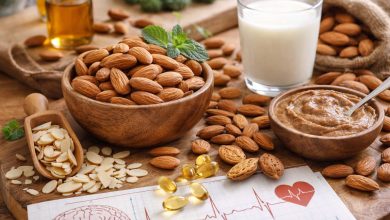
Dementia cannot be completely prevented in every case, but risk can be lowered. The strongest evidence-backed advice is to stay physically active, control blood pressure, avoid smoking, limit alcohol, eat a healthy diet, manage diabetes and cholesterol, treat hearing loss, stay socially connected, protect vision, sleep well, and reduce head-injury risk. The 2024 Lancet Commission estimated that around 45% of dementia cases may be linked to 14 modifiable risk factors across life.
Can dementia be prevented completely?
The most honest medical answer is no. No single habit, supplement, food, or app can guarantee that someone will never develop dementia. But major health organizations agree that there are practical steps that can reduce risk of cognitive decline and dementia, especially when several healthy habits are combined over time.
That is why the best SEO-safe and medically accurate wording is “lower risk” rather than “guarantee prevention.” Alzheimer’s Society also notes that dementia risk is lowest in people who have healthy behaviours in midlife, roughly ages 40 to 65.
The healthiest advice for lowering dementia risk
1. Move your body regularly
Regular physical activity is one of the strongest lifestyle steps for brain health. The NHS recommends at least 150 minutes of moderate-intensity activity a week plus strength work twice weekly, and both NIA and Alzheimer’s Society say exercise supports brain, heart, circulation, weight and mood.
2. Control blood pressure early
High blood pressure in midlife is one of the most important modifiable risks. The National Institute on Aging says midlife hypertension raises later cognitive decline risk, and the SPRINT MIND study found that intensive blood-pressure control reduced the risk of mild cognitive impairment, which is often a precursor to dementia.
3. Treat hearing loss instead of ignoring it
Hearing loss is now treated as a major dementia-risk factor. CDC says preventing or correcting hearing loss may lower dementia risk, and an NIH-funded trial found that in older adults at higher risk, hearing aids reduced the rate of cognitive decline by almost 50% over three years.
4. Do not smoke
Smoking damages blood vessels, including those that supply the brain. WHO, CDC and Alzheimer’s Society all list smoking as a modifiable dementia-risk factor, and quitting also lowers stroke, diabetes and cardiovascular risk.
5. Keep alcohol within safer limits
Heavy alcohol use increases dementia risk and can damage the brain directly. NHS and WHO both advise avoiding harmful use of alcohol, and the NHS says adults who drink should stay within 14 units a week, spread over several days with alcohol-free days included.
6. Eat a heart-healthy diet
There is no single “anti-dementia food,” but a healthy dietary pattern matters. NIA says balanced diets rich in vegetables, fruit, whole grains and lean protein support overall health, and Mediterranean-style or MIND-style eating patterns have been associated with lower dementia risk in some studies, even if results are not fully conclusive.
7. Manage diabetes, cholesterol and weight
WHO, CDC and NIA all link better control of blood sugar, cholesterol and body weight with lower dementia risk. This matters because what protects the heart and blood vessels often protects the brain too.
8. Stay socially connected and mentally engaged
WHO includes social isolation and cognitive inactivity among dementia-risk factors, while Alzheimer’s Society says staying socially active and mentally stimulated may help reduce risk and support mood and resilience.
9. Protect vision and reduce head injuries
The 2024 Lancet update added vision loss and high LDL cholesterol to the major modifiable risk list, and NIA advises treating sensory loss and reducing falls and accidents that can lead to brain injury.
10. Sleep well and take depression seriously
NIA recommends seven to nine hours of sleep for adults, and WHO lists depression as a dementia-risk factor. Poor sleep, low mood and untreated mental-health problems can all make brain health harder to protect over time.
Why blood pressure, hearing and exercise matter so much
If you want the shortest list of high-impact actions, focus first on exercise, blood pressure and hearing. These are practical, measurable, and supported by strong public-health guidance and trial data. Exercise supports circulation and mood, blood-pressure control protects the brain’s blood vessels, and hearing correction may reduce cognitive decline in higher-risk older adults.
For many readers, this is more useful than chasing miracle foods or expensive supplements. The biggest wins usually come from ordinary habits done consistently over years, not from one dramatic “brain hack.”
What to eat for better brain health
The best nutrition advice is simple: eat more vegetables, fruit, whole grains, beans, fish, nuts and healthier fats, and eat less highly processed food, excess salt, excess sugar and excess saturated fat. NIA says Mediterranean and MIND-style patterns are promising, and WHO recommends a healthy diet as part of dementia risk reduction.
It is also worth knowing what the evidence does not say. NIA states that no vitamin or supplement is recommended for preventing Alzheimer’s or cognitive decline at this time.
What does not work as well as people hope?
Supplements are the biggest example. NIA says no vitamin or supplement has been proven to prevent Alzheimer’s in people, and evidence for most products remains weak or preliminary.
Brain-training products also should not be oversold. NIA notes cognitive training may help maintain specific cognitive skills in older adults, but Alzheimer’s Society says there is no strong evidence that commercial brain-training activities by themselves reduce a person’s risk of dementia.
When to start protecting your brain
Earlier is better. Alzheimer’s Society says dementia risk is lowest in people with healthy behaviours in midlife, but it is also not too late to make changes later. Stopping smoking, treating hearing loss, improving fitness and controlling blood pressure can still be worthwhile in older age.
Final verdict
The healthiest advice for preventing dementia is not one secret food or one supplement. It is a cluster of everyday habits: exercise regularly, control blood pressure, do not smoke, keep alcohol low, eat a healthy diet, manage diabetes and cholesterol, treat hearing and vision problems, sleep well, protect your head, and stay socially and mentally active. That is the most evidence-based, medically credible way to talk about lowering dementia risk today.
FAQ
Can dementia be prevented?
Not completely in every case. But many cases may be delayed or lowered in risk by addressing modifiable factors such as exercise, blood pressure, smoking, alcohol, hearing loss and social isolation.
What is the best lifestyle change to lower dementia risk?
There is not just one, but regular physical activity is one of the strongest and most consistently recommended steps.
Does high blood pressure increase dementia risk?
Yes. Midlife high blood pressure is linked to later cognitive decline, and controlling it may reduce the risk of mild cognitive impairment.
Can hearing aids help lower dementia risk?
They may help, especially in older adults at higher risk. An NIH-funded trial found hearing aids reduced the rate of cognitive decline by almost 50% over three years in a higher-risk group.
What diet is best for brain health?
A Mediterranean-style or MIND-style eating pattern is the most commonly recommended approach, though results are promising rather than absolute.
Do vitamins or supplements prevent dementia?
No supplement is currently proven or recommended to prevent Alzheimer’s or cognitive decline.
Does loneliness affect dementia risk?
Yes. WHO lists social isolation as a dementia-risk factor, and staying socially active may help support brain health.
When should people start trying to lower dementia risk?
Ideally in midlife, but healthy changes can still be valuable later on.
Please treat this as general health information, not personal medical advice. For memory concerns, hearing loss, depression, sleep problems, blood pressure, diabetes, or a personalised prevention plan, consult a GP or medical professional.