As the holiday season approaches, Ars Technica has compiled a list of staff-curated gift picks from 2026. These selections are based on personal purchases made by Ars employees, reflecting their actual experiences and preferences. The list spans a diverse range of products—from immersive storytelling books to high-performance gaming devices—each chosen not for commercial appeal, but because it has genuinely enhanced the daily lives of the staff members who use them. Source: arstechnica.com.
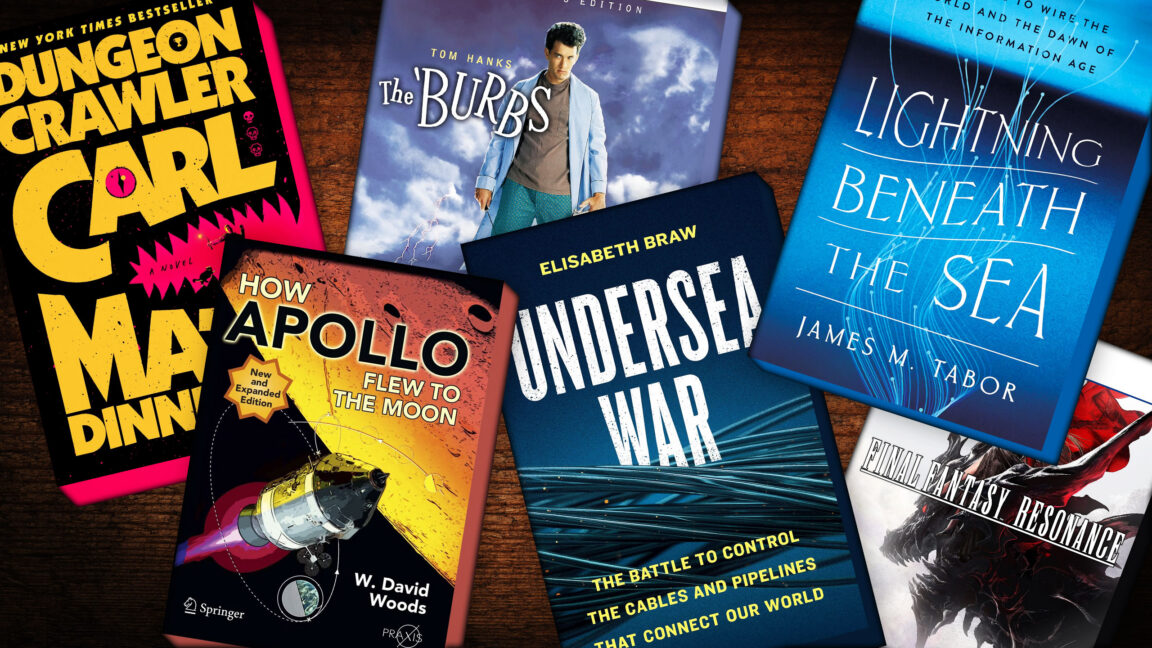
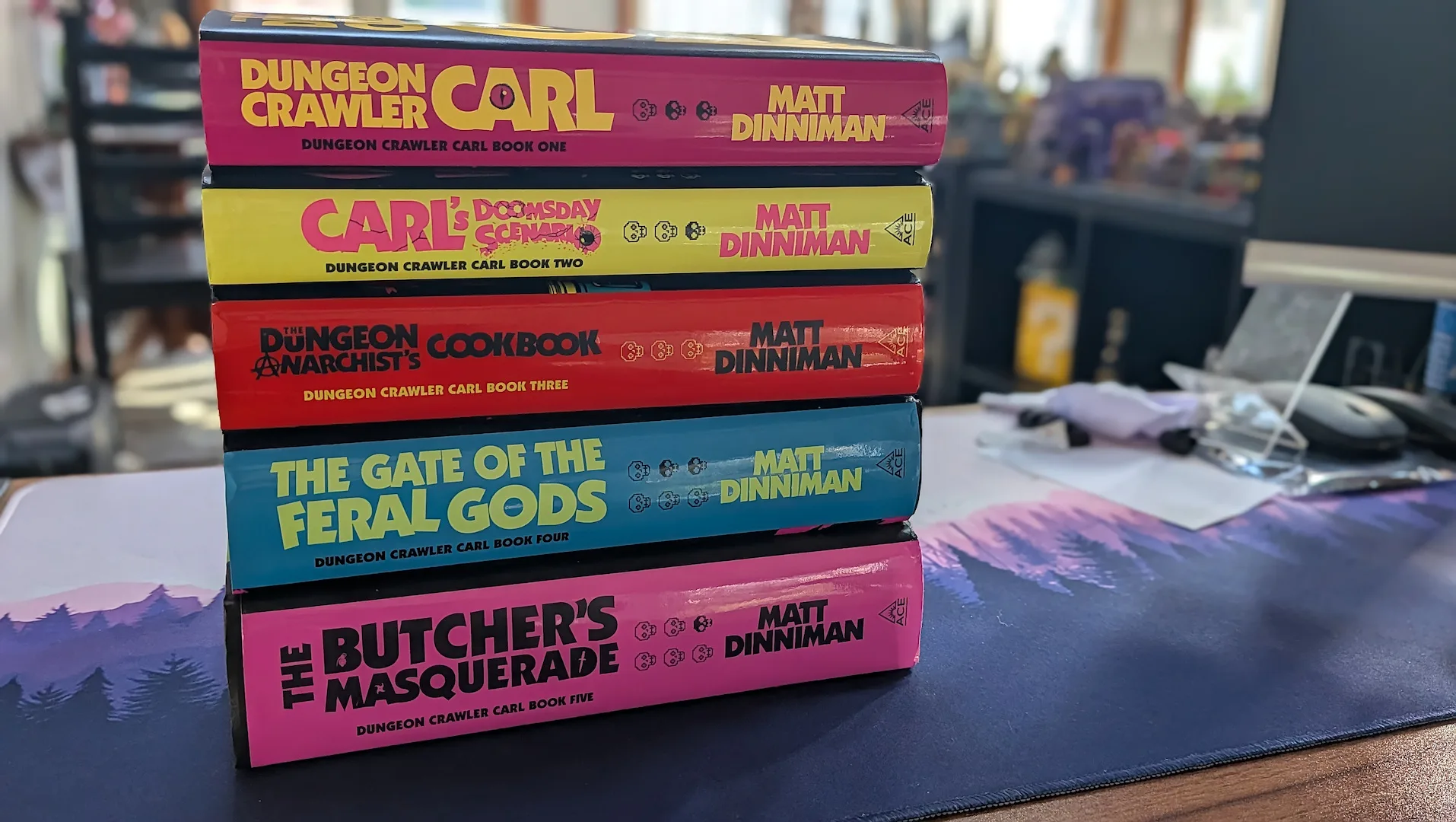
Dungeon Crawler Carl by Matt Dinniman, priced at $13, began as a humorous fanfiction parody of the LitRPG genre. It quickly evolved into a rich narrative with deep character development and emotional themes. The story blends whimsical adventure with thoughtful reflections on identity and community.
Nick Indge values the tactile experience of physical books. While e-readers offer convenience, he finds joy in the feel of turning pages—especially on quiet afternoons at home. For readers who enjoy humor and heart, Dungeon Crawler Carl offers a delightful, accessible escape.
Undersea Cables: The Foundation of Global Communication
Two standout books are Undersea War: The Battle to Control the Cables and Pipelines That Connect Our World by Elisabeth Braw ($30) and Lightning Beneath the Sea: The Race to Wire the World and the Dawn of the Information Age by James M. Tabor ($32).
James Tabor’s book details how Cyrus Field, an American entrepreneur, assembled a team of scientific luminaries—like Samuel F.B. Morse, Lord Kelvin, and Michael Faraday—to lay a 2,000-mile telegraph cable across the Atlantic in 1866. The project used the SS Great Eastern, the largest ship ever built, refitted as a cable-laying vessel.
This first ocean-spanning cable laid the foundation for global communication. Over time, copper cables gave way to a network of subsea fiber-optic cables—now the backbone of the internet.
Elisabeth Braw’s book examines how rising geopolitical tensions have made subsea cables and pipelines more vulnerable to sabotage. These systems face real threats due to their physical exposure and lack of redundancy. She analyzes recent cable-cutting incidents and how governments and companies are responding with new security measures.
Together, these books offer a clear story of how global connectivity began—and how it now faces new risks in a world of digital conflict.
The Burbs Collector’s Edition 4K Blu-ray
At $32, the 4K Blu-ray of The Burbs is a nostalgic, underappreciated film. Starring Tom Hanks, Carrie Fisher, and Corey Feldman, it’s a dry, satirical take on suburban life with a mystery that keeps viewers guessing.
Samuel Axon, a fan of 1980s cinema, notes that this film is often overlooked. It offers sharp social commentary and a fun, ironic tone. The 4K release improves clarity and detail, enhancing the viewing experience on modern screens.
For fans of genre films and classic satire, this release is a thoughtful, under-the-radar gift with lasting appeal.
How Apollo Flew to the Moon by David Woods
David Woods’ $35 book breaks down the engineering of the Apollo missions into clear, engaging explanations. It covers launch facilities, mission control, and lunar navigation—without oversimplifying the science.
Lee Hutchinson highlights key details: the Saturn V’s first stage burned nearly 15 tons of fuel per second. Astronauts used sextants and star sightings to navigate. The book also explains terms like “REFSMMAT” and how lunar rovers were deployed.
By blending technical depth with accessible language, this book helps readers appreciate the scale and ingenuity of the Apollo missions. It sparks meaningful conversations and satisfies both casual fans and space enthusiasts.
Nick Indge recommends Final Fantasy Resonance, a 40th-anniversary tribute to the iconic RPG series. Available on PS5, Switch, and Steam, it costs between $50 and $64. Indge, who grew up with 16-bit SNES RPGs, sees it as a perfect blend of nostalgia and modern innovation.
The game includes a free six-hour demo. This allows players to try it without commitment. The narrative is layered, with branching storylines and character development that reflect the series’ evolution over decades.
Samuel Axon recommends the Govee Star Light Projector at $70. It projects a dynamic, ever-shifting stars-and-nebula effect onto the ceiling. For someone who spends long hours in a small office, it transforms the space into a calming, immersive environment.
His office is small and often feels sterile after long workdays. The projector allows a single button press to shift the mood—turning a utilitarian space into a serene, meditative one. The effect is subtle but effective, reducing mental fatigue.
The M-Vave FM-1 synthesizer at $84 is ideal for tinkerers and musicians. It functions as a standalone instrument and can be customized through community firmware. These open-source packages let users turn it into a multi-track groovebox or even play Doom in experimental ways.
Under $300 – Cycling and Outdoor Technology
Eric Bangeman recommends the Trek BellBeats digital bike bell and speaker at $125. It pairs with a smartphone via Bluetooth and plays music at a volume that’s loud enough to hear navigation prompts—without drowning out traffic or bike computer alerts.
It can be mounted on standard handlebars and lasts up to six hours. It also doubles as a traditional bicycle bell, offering both safety and entertainment.
Samuel Axon recommends the Fractal Design Scape wireless headphones at $160. These support Bluetooth and include a USB dongle for console voice chat. The design is comfortable and avoids interference with glasses or headbands.
He notes that despite buying them for gaming, they’ve proven useful in calls with family, work meetings, and casual listening. The design is understated, making it practical for daily wear.
Eric Bangeman highlights the Povec C1 Performance Sunglasses at $250. Unlike traditional photochromic glasses, these use a battery to switch tints in seconds. The rider swipes the temple to darken or lighten lenses instantly.
They charge via USB-C and claim 28 days of battery life with four hours of daily use. After six weeks of use, he reports only one charge was needed—proving reliability and durability.
The sunglasses come in three frame colors and two lens options (Green Revo or Gold Revo). They’re ideal for runners, cyclists, or skiers who face changing lighting conditions.
Eric Bangeman recommends the Garmin Varia RCT715 radar camera tail light at $300. After a friend was in a hit-and-run, the device captured a license plate. Police later identified and arrested the driver based on the footage.

It detects vehicles at 140 meters and records video for 30 seconds after a car passes. It stores video on a 16GB microSD card and lasts up to six hours. It works with most bike computers via ANT+.
Jacob May recommends the Hiplock DX1000 bike lock at $380. He has seen videos of angle grinders cutting through standard locks in under a minute. While he hasn’t seen such thefts, he’s observed bike parts left in public areas—indicating a growing security concern.
The Hiplock is designed to resist such attacks. According to the tests he’s seen, it can turn multiple angle-grinder blades into dust. For someone with a high-value bike—over $5,000—the peace of mind it offers may justify the cost.
AYN Odin 3 – A High-Performance Handheld
Nick Indge recommends the AYN Odin 3 at $767. It features a Snapdragon 8 Elite (Dragonwing Q8) chip, excellent ergonomics, and a 6-inch 120Hz AMOLED screen. It balances size and power—avoiding the bulk of a Steam Deck or the bloat of a Windows handheld.
It runs most PC and console games. Access to Steam, GOG, Epic, and Rockstar libraries is available. Tools like Proton, FEX translation, and DroidDeck enable native Android gaming. GameNative allows high-end emulation of many systems.
The latest revision includes a 7-inch screen and 12GB of base RAM—up from the original 8GB. This makes it powerful for both casual gaming and serious emulation. Indge notes it may have been left behind in the stocking—prompting a light-hearted reflection on its potential.
Each recommendation is grounded in real use. The staff members have not only bought these items, but have integrated them into daily routines—whether for work, travel, or leisure.
Prices listed are from when the list was written and may vary due to retailer adjustments, especially around Black Friday. Readers are encouraged to check current availability and pricing before purchasing.
For readers seeking thoughtful, personal gift ideas, this list offers a mix of books, tech, and outdoor gear. Each item reflects real-world use and practical value—making it a reliable guide for meaningful holiday presents.
Readers are invited to share their own holiday gift picks in the comments. The Ars team may feature them in future updates, fostering a community of shared discovery and personal recommendation.
For a deeper dive into the history of undersea cables and digital infrastructure, see the original article on Ars Technica’s shopping guide.
For a more detailed exploration of the Apollo missions and space engineering, explore the Q&A; with Elisabeth Braw on the development of global communication networks.
For more on the evolution of gaming and handheld devices, see the Ars Technica shopping guide on modern gaming platforms and handhelds.
Sources & further reading
Featured image: original publisher image. Via original publisher. Image source