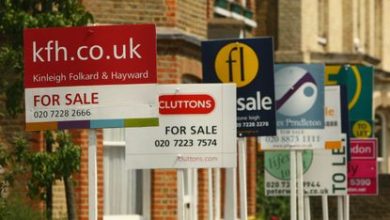
Home sellers in Britain cut asking prices on more than 3,000 properties daily in September. This is the highest volume of price cuts in 15 years, according to Rightmove data shared with the BBC. Source: bbc.co.uk.
What Happened
September saw a significant increase in price reductions. The average daily volume of price cuts reached a record level. This trend spans across England, from cities to suburbs.
34% of homes listed in September had a price reduction — slightly below the peak of 36% seen in September 2023. This shows a persistent, not temporary, market imbalance.
Many homes were priced too high initially. Few sold at those levels. As a result, sellers lowered prices to attract buyers after months of inactivity.
Why Sellers Are Cutting Prices
Stewart, a seller from Leicester, turned down an offer below his asking price. He eventually sold after 18 months for less than the original price.
He noted that leasehold homes are being filtered out of buyers’ search results. This makes them harder to sell.
Sellers often value their emotional investment in a home. Tarah Lourens of Rightmove said this influences how they set prices.
Buyers, however, focus on affordability. With mortgage rates at three-year highs, many operate on tight budgets and are more selective.
How Price Cuts Affect Sales
Homes with price cuts take 119 days to sell — nearly three times longer than homes listed at a single price (39 days).
According to Zoopla, properties needing a price cut are half as likely to sell within three months. This shows price cuts don’t always speed up sales.
Buyers are now more cautious. They prioritize affordability over style or location. This shift is driven by high mortgage costs.
Market Trends and Regional Differences
While homes for sale rose 5% in September, agreed sales dropped 9% compared to the previous year. This shows a growing gap between supply and demand.
Scotland’s Home Report system requires an independent valuation before listing. This helps homes sell faster — 74% sold within three months in April to June.
Only 30% of homes in London sold within that period. Donnell attributes this to higher prices, stamp duty, and fewer people needing to sell.
What Sellers Are Facing
One seller in south Wales said: ‘The market is dead. Lots for sale; no-one buying. No-one thinks it’s going to get easier.’
This reflects a broader concern about low buyer interest and long sales cycles.
Are Sellers Losing Out?
Andrew Boast of SAM Conveyancing said sellers might not lose out if they bought at a low price and saw value rise during ownership.
Agents stress that getting the initial price right is key. Craig Webster of Tiger Sales and Lettings said active buyers respond best when pricing is accurate.
Limitations and Open Questions
The data doesn’t show if price cuts reduce total sales or just extend sales cycles. It doesn’t clarify if cuts come from market forces or seller decisions.
Scotland’s Home Report system is not widely used in England. There is no official count of how many leasehold homes are being filtered from searches. This limits full understanding of the issue.
What to Watch Next
Price cuts may stay high if mortgage rates remain elevated. Analysts will track how many homes return at lower prices and whether sales recover.
Regional differences in performance may grow. Rightmove and Zoopla will monitor trends, especially in London and Scotland.
For more on UK property trends, see the original source: BBC News.
This article is part of our coverage on Businesses & Economy.
Sources & further reading
Featured image: HK TKO 將軍澳 Tseung Kwan O Tong Yin Street real… by Hskyc, CC BY-SA 4.0, via Wikimedia Commons. Image source · License