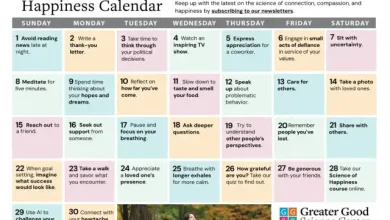
Positive psychology studies what makes people thrive. It focuses on strengths, well-being, and flourishing—not just the absence of mental illness. Source: greatergood.berkeley.edu.
Imagine a doctor who never visits a clinic. They only help close friends or during emergencies. While these acts are good, they may not maximize their impact.
This metaphor fits many positive psychologists. They have deep knowledge and strong research. But they often work in small circles, not public policy.
Positive psychologists study human strengths, emotional resilience, and how institutions shape lives. Yet, their insights rarely enter formal policy debates. This isn’t due to lack of value. It’s due to poor communication and limited outreach.
Well-Being Is Measurable
Public officials often focus on tangible issues: housing, transit, safety. These issues deeply affect well-being. People want stable homes and safe neighborhoods for better lives.
Yet, well-being is rarely discussed in policy. It’s everywhere, yet missing. Officials often think well-being is too abstract to measure.
That view is outdated. Validated tools now measure well-being—like happiness, purpose, and physical health. These tools are tested across diverse groups and settings.
For example, a shelter training program can track changes in participants’ mental health, self-esteem, and life satisfaction. These metrics show real impact beyond just service access.
Trust Is a Key to Flourishing
Research shows generalized trust—believing most people act fairly—is one of the strongest predictors of well-being.
Students have never guessed trust as a top factor. Yet, its effect size rivals income or social support. This gap shows a lack of public understanding.
Trust builds community. When people believe others act fairly, they engage more, form stronger relationships, and feel a sense of belonging.
Institutional trust—like confidence in government or corporations—also shapes behavior. But mistrust often grows from false beliefs.
Many people underestimate how often people return lost wallets. Publicized crimes can amplify fear and erode trust in public spaces.
Policy can help. Campaigns promoting transparency and accountability can rebuild trust and strengthen communities.
Positive Institutions Matter
Institutions—like schools and health systems—shape how people live and grow. A school with respect and inclusion produces more resilient students.

Many institutions still operate on performance alone. Positive psychologists can help redesign them to support human flourishing.
One key lesson: leaders rarely read research summaries. But they may attend meetings, invite staff to presentations, or join public events—especially if a trusted person helps connect them.
A 2010 guide by Bogenschneider and Corbett offers proven strategies for researchers to engage with institutions.
Many government institutions face training budget limits. If psychologists earn credibility through consistent, respectful engagement, they may be invited to train leaders.
Without presenting their findings, others—without scientific training—may share flawed interpretations. This shows the need for visibility and humility.
Confidence with Caution
No research is perfect. A prostate cancer test might catch 90% of cases—but if only 2% of men have the disease, most positive results are false.
That error doesn’t invalidate the test. But ignoring it could harm people. Similarly, using well-being tools to screen students risks overdiagnosis and distorted views.
Psychologists should present findings with confidence—while clearly noting limitations, error rates, and context. This builds long-term trust.
Positive psychology offers more than tools. It offers a framework for human flourishing. When well-being, trust, and institutions are included in policy, outcomes become measurable—and transformative.
For more on well-being tools in policy, see this chapter in a 2017 book.
Learn how longer lives are reshaping society at this article.
Discover how AI can support critical thinking in a responsible way at this piece.
For a case study on community programs and gun violence, see this Richmond example.
Read about psychologists’ calls for a return to basics during global crises at this article.
Explore whether AI can predict a compatible partner at this feature.
Sources & further reading
Featured image: original publisher image. Via original publisher. Image source