During the 2026 U.S. midterms, Democrats shifted how they reached voters. Instead of relying on press events or debates, they used social media as a central platform. This change marked a new era in political communication, where personal presence and humor became key tools. Source: theguardian.com.
Democrat Candidates Embraced Short-Form Video
Millennial Democrats led the way on Instagram and TikTok. They used dance, parody, and cultural references to connect with young voters. This wasn’t just about style—it reflected how digital audiences consume content. Social media favors authenticity, immediacy, and emotion over formal delivery.
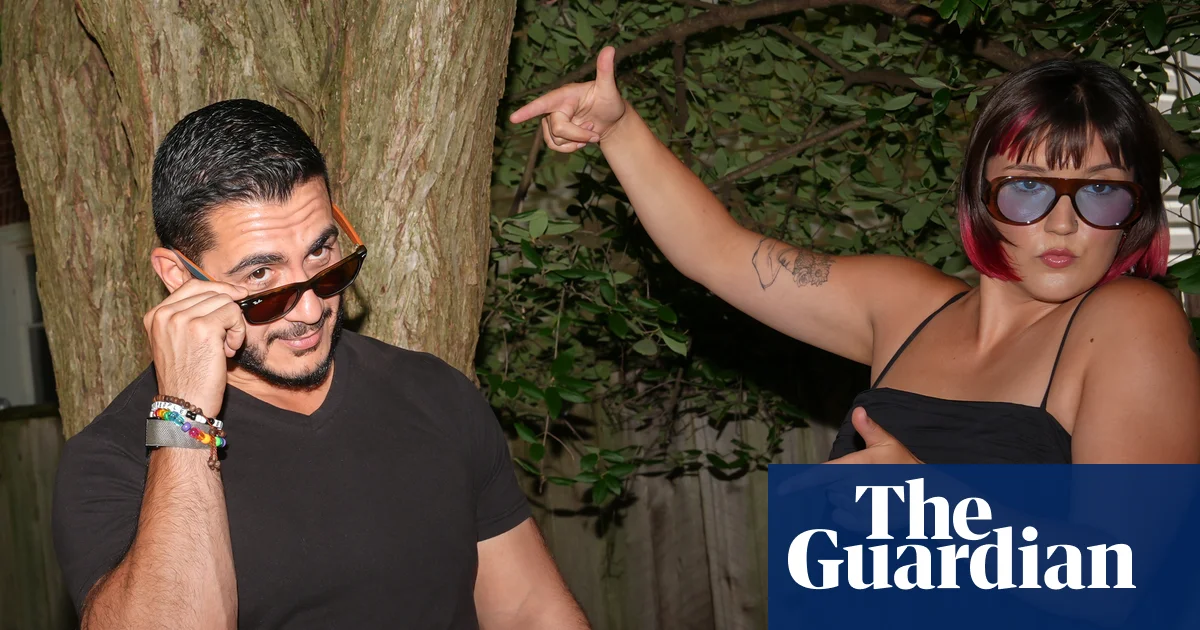
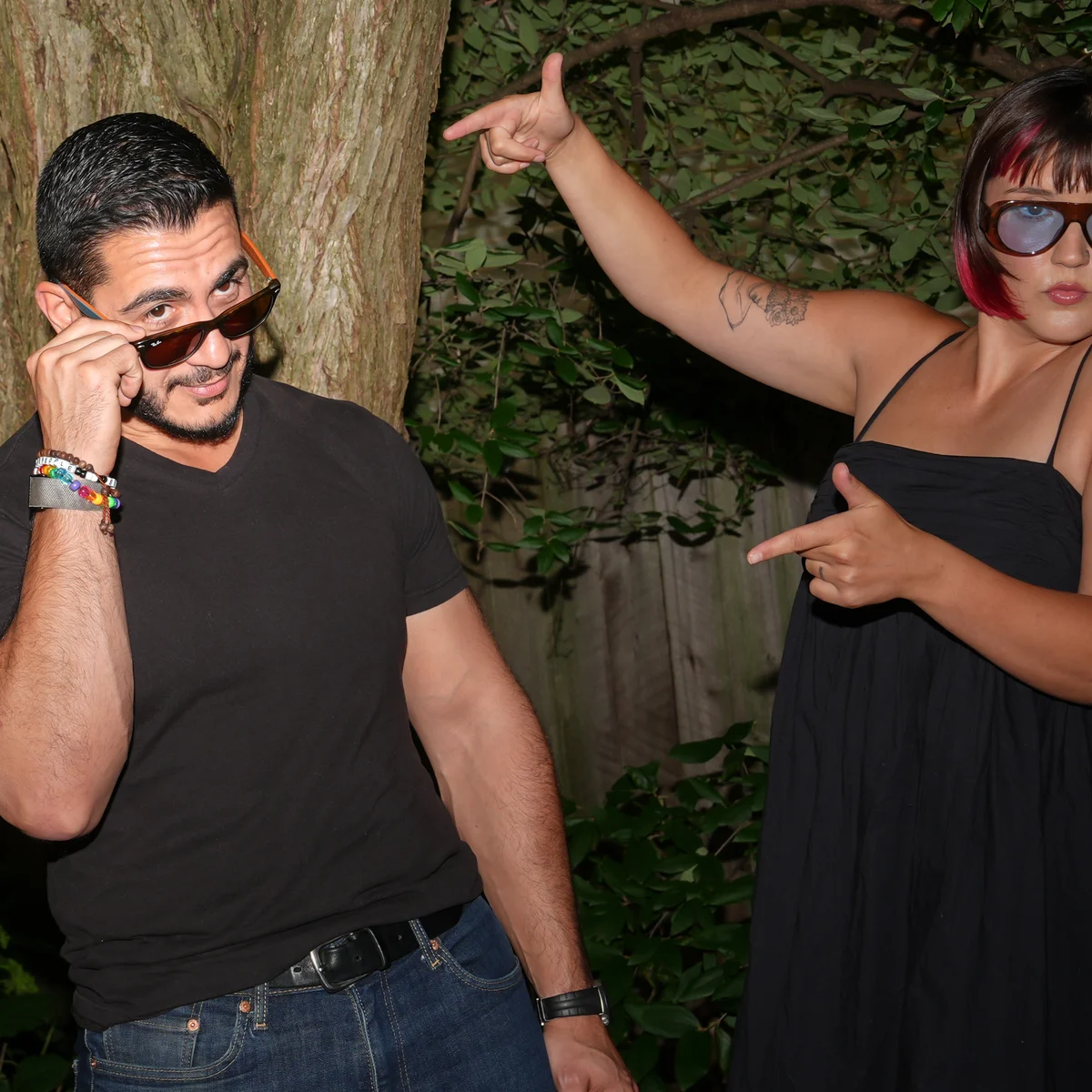
Abdul El-Sayed, the Michigan Senate candidate, stood out with over 8 million Instagram followers. His campaign featured viral videos blending policy with performance. One showed him dancing to Taylor Swift’s ‘You Belong With Me,’ with lyrics changed to attack his opponent, Mike Rogers. The caption read: ‘He wears fancy suits, I wear black V-necks. He’s (NOT) a pharma lobbyist, I’m a public health doctor.’ The video used a familiar format to deliver a sharp political message.
Another video spoofed the show ‘Love Island.’ In it, El-Sayed introduces himself on a fictional program called ‘Senate Island.’ He says: ‘I’m not here for love. I’ve been married for 20 years. No corporate Pac money, ready to rock for Medicare for All.’ At the end, he adds: ‘Corporations and the establishment have been coupled up for too long. I’m here to shake things up, get corporate money out of our politics, get money in your pocket, pass Medicare for All.’ The content reinforced his policy goals while showing a relatable, human side.
Michael Bossetta, a professor at Lund University, said campaign goals remain the same—winning elections, raising funds, increasing visibility. But the delivery has changed. ‘The parties now recruit candidates as a talent competition,’ he said. ‘They train them in how to act on camera, how to perform in front of phones. That part is new. The demand is now: you have to be proficient in short-form video, in being digitally proficient.’
Personal Engagement Built Trust
Annie Andrews, a pediatrician who won in South Carolina, used a natural, unscripted style. She spoke directly into her phone, creating an authentic, personal feel. This style helped viewers see her as a real person, not a distant politician.
One video responded to her opponent’s claim that she was the ‘worst pediatrician in America.’ She replied: ‘This woman has been in politics for about three weeks but it’s nice she’s starting in the sewer.’ The video’s raw tone built credibility. It showed her as someone grounded in experience and conviction.
She also made a video mocking conservative women. She said: ‘We’re Republican women politicians. Sometimes our kids tell their friends we’re not related.’ She added: ‘We also worry our kids are going to get shot at school. We just don’t care enough to do anything about it. We think rape is bad but also think a rapist should be president.’ While provocative, it was framed as satire, highlighting gaps in policy and public safety.
David Karpf, a professor at George Washington University, said social media helps build a real presence. ‘Having a real presence and personality on social media, being able to speak in ways that engage people and then spread widely, becomes the way to gain attention and therefore gain audience and gain voice,’ he said. He added that while social media may not change minds, it drives conversations and encourages donations. A Sprout Social survey found half of respondents follow at least one politician—70% of Gen Z. Millennials and Gen Z get election info more from social media than from news apps.
Mississippi’s Upset Was Powered by a Viral Ad
Scott Colom, a 43-year-old district attorney, won a Senate seat in Mississippi. His campaign went viral with a short ad called ‘Pick Another Protein.’ It began with a clip from Republican incumbent Cindy Hyde-Smith, who said: ‘You have so many proteins to choose from’ when asked about beef prices. Colom’s ad then showed people rejecting that idea—each offering a different protein—before ending with: ‘Pick another senator instead.’
The ad was scripted by Colom, his twin brother, and his campaign manager. It was filmed by Ryan Sayles, a 27-year-old videographer from Jackson. Its success came from irony and relatability. It turned a simple economic issue into a political statement about accountability. The ad resonated across demographics, showing how humor can bridge political divides.
Texas Candidate Used Local Culture and Humor
James Talarico, a 37-year-old former schoolteacher, won in Texas against Republican Ken Paxton. His campaign used candid, everyday content. One post showed him hugging a young boy at a rally. Another showed him trick-or-treating with his niece, dressed as a fairy. A video of him making a dosa at a Buc-ee’s connected with local voters.
One of his most popular videos, titled ‘Ken Paxton Steals Pens,’ highlighted a 2013 incident when Paxton was filmed taking a $1,000 Montblanc pen from a courthouse security bin. The pen was returned and Paxton was not charged. The video features a voiceover describing the pen as a gift from attorney Joe Joplin. Joplin appears on screen, holding the pen, and endorses Talarico. This approach built a narrative of integrity and trust.
Antonio Esparza, Talarico’s creative director, said the campaign partnered with local food influencers. ‘There would be a San Antonio-based food influencer, their whole shtick is San Antonio food. They’d have 45,000 followers. But if you follow someone named SA Foodie or whatever, you’re probably in Texas and more specifically in San Antonio. And so those are very valuable eyes,’ he said. This strategy shows how campaigns now target niche audiences through trusted creators.
Future of Campaigning May Be Influencer-Driven
Experts predict the next phase of politics will involve candidates appearing on niche channels—eating, chatting about football, or sharing local events—before slipping in a political message. This isn’t about trend-chasing. It’s about building trust through shared experiences.
Maria Comstock, a social media creator who worked with Maryland governor Wes Moore, said she’s already seen many 2028 presidential hopefuls reaching out to creators. ‘I’ve already seen many 2028 presidential hopefuls courting creators,’ she said. ‘They’re in my inbox, like: ‘Hey, I’m randomly in New Hampshire for no good reason,’ or: ‘I’m in this battleground state for no good reason. I’m hosting a creator dinner for no specific reason at all.’’ She believes creators will be essential for any 2028 campaign.
These changes show social media is no longer a side tool. It’s now the primary source of political information for many voters—especially millennials and Gen Z. Campaigns are now designed with digital performance in mind. Candidates aren’t just presenting policies—they’re performing, building personalities, and engaging through content that feels real and relatable. This shift reflects a broader truth: how messages are delivered shapes how politics is experienced today.
Sources & further reading
Featured image: original publisher image. Via original publisher. Image source