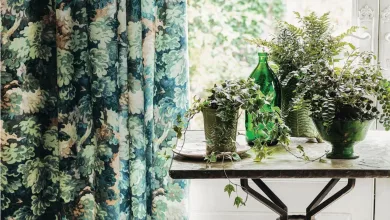
Eva Mendes and Ryan Gosling have set a stylish holiday trend with their miniature Christmas trees on a kitchen island. Instead of large, traditional evergreens, they’ve chosen small, garden-grown plants to create a festive yet unobtrusive look. This approach not only reduces holiday spending but also aligns with eco-friendly, sustainable living principles. The couple’s display proves that holiday decor doesn’t have to be extravagant or artificial—simple, natural elements can bring warmth and joy to any home. Source: gardeningknowhow.com.
How to Make a Mini Christmas Tree from Your Garden
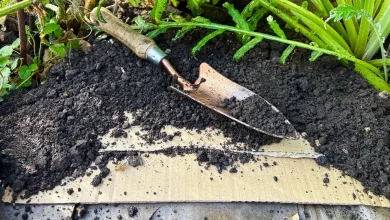
The idea is simple: use plants you already have or grow in your garden. No need to buy a tree or spend much money. Just a walk around your yard and a few tools can do the trick. This method emphasizes self-sufficiency and connection to nature, making it ideal for urban dwellers or those with limited outdoor space.
Step 1: Walk Around Your Garden
Nick Alan, founder of Palma Botanical Co., says the best mini Christmas trees begin with a morning walk through your garden. He recommends conifer tips such as cedar, cypress, juniper, and fir, which retain their needles through cold weather and dry conditions. These plants are ideal for creating long-lasting, natural trees. Boxwood and rosemary add both visual texture and a pleasant scent, enhancing the sensory experience of the display.
Alan advises harvesting in the early morning when temperatures are cooler. This helps reduce plant stress and preserves vitality. When cutting, he recommends making a clean, precise cut just above a side shoot. This promotes regrowth and maintains the plant’s health. He also notes that no more than one-third of any shrub should be removed—excessive pruning can weaken the plant over time.
For clean, precise cuts, Alan suggests using Fiskars SoftGrip bypass pruners. These tools are designed to minimize plant damage and offer a comfortable grip, making them especially useful for those with limited hand strength or dexterity.
Step 2: Build the Tree in a Pot
Nadi Melam, founder of Florals Memories, offers a straightforward method using a 4-inch pot. She recommends filling the pot with damp sand, which helps hold stems upright and allows the tree to remain in the pot as it dries. This eliminates the need for artificial supports or additional materials.
Before placing the stem in the pot, she advises removing the bottom two inches of needles. This prevents rot in the sand and ensures only the top portion of the stem is used. The remaining stem should be clean, dry, and free from debris.
Arrange the stems from tallest to shortest, forming a cone shape. This creates a balanced, natural appearance that mimics the form of a traditional Christmas tree. The cone shape distributes weight evenly and avoids top-heavy instability, making it both visually appealing and structurally sound.

Keep the tree away from heat sources such as stoves or dishwashers. Dry foliage is flammable and can catch fire near high-temperature appliances. Mist the tree every few days to maintain moisture. Expect it to last two to three weeks. After that, replace tired sprigs with fresh ones to maintain freshness and visual appeal.
Step 3: Choose a Living Tree Instead
For a more permanent option, consider a living miniature tree. Morgan Brooks, founder of Plant Style Home, says a living tree serves two purposes: it looks festive and remains useful after Christmas. Unlike decorative arrangements that must be discarded, a living tree continues to grow and provide function long after the holidays.
She recommends rosemary for kitchens. It’s practical because you can pick sprigs for cooking, and it emits a pleasant aroma near the stove. Rosemary is hardy, drought-tolerant, and thrives in well-drained soil, making it a resilient choice for both indoor and outdoor settings.
Young trees should be placed in cool, shaded areas to avoid heat stress. Radiators and direct sunlight can scorch the leaves. Water the soil lightly, keeping it damp but not wet. Overwatering can lead to root rot, especially in containers with poor drainage.
For optimal growth, place the tree in a bright window. Water when the top inch of soil feels dry. After Christmas, plant it outdoors in zone or warmer regions. This allows the plant to grow into a mature, full-sized shrub over time, turning a holiday decoration into a lasting garden feature.
Several stores offer live rosemary Christmas trees. Options include The Three Company, Hirt’s Gardens, and Walmart. These are ideal for those who want a ready-to-use tree without the effort of growing their own.
Style It Like a Kitchen, Not a Forest
A kitchen island is a workspace. It’s not a place for dense plantings. Keep trees on one side and avoid placing them near heat sources. This ensures both safety and functionality.


Roberta Sabbatini, founder of ItalianTouch Events, says that a few green stems with a single ribbon often look more considered than a crowded arrangement. Minimalism in design tends to create greater impact and elegance.
Nadi Melam suggests using odd-numbered clusters of varying heights—such as a trio or a group of five stems—arranged in a staggered pattern. This creates visual balance and avoids clutter, resulting in a dynamic, natural look.
Keep the tallest stem between 10 and 12 inches. This prevents it from competing with faucets, sinks, or other kitchen fixtures. A well-proportioned tree enhances the room’s design without disrupting usability.
Use a tray or wooden slab to group the trees. This ties the display together and gives it a unified look. On a budget, Nick Alan says pine cones, dried orange slices, and ribbon can dress the trees affordably. These natural elements add color and texture without cost.
Important Safety Note
Nick Alan advises skipping holly, yew, and mistletoe around pets and young children. All three are toxic if ingested. This is a key safety consideration for any home with small children or animals. Even small amounts of these plants can cause gastrointestinal distress or more serious health issues in pets and young children.
While the trend began with celebrity homes, it’s now accessible to anyone with a garden or a few plants. The method is low-cost, eco-friendly, and uses natural materials. It also encourages mindfulness of one’s environment and promotes a deeper connection to the natural world.
For more ideas on using evergreen plants in festive ways, explore flowering evergreen trees that bloom year-round and add seasonal charm. For a broader look at how celebrities decorate their homes, see Sarah Jessica Parker’s floral tree or the Beckhams’ bow-filled display. These show how personal style can be both festive and practical.
Ultimately, Eva Mendes and Ryan Gosling’s mini trees prove that holiday decor doesn’t have to be large or expensive. With a little gardening knowledge and a few garden tools, anyone can create a festive, sustainable display that fits their home and lifestyle.
Sources & further reading
Featured image: Eva Mendes and Ryan Gosling attend "The Place Beyond The Pines" premiere during the 2012 Toronto International Film Festival at Princess of Wales Theatre. Via original publisher. Image source