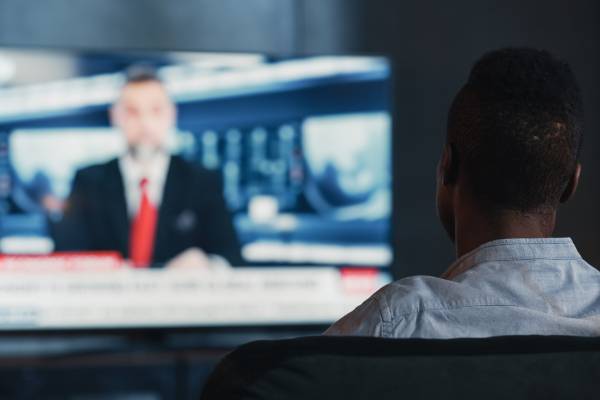
Many people feel overwhelmed by election news, even when they only check their phone for a quick update. A simple weather check can turn into a series of headlines, debate clips, and social media reactions. This shift in how we consume political information has created a new kind of stress—election stress.
What Is Election Stress?
Election stress is a real phenomenon. The Mayo Clinic defines it as the overwhelming anxiety some people feel during an election cycle. It is not a medical diagnosis, but a recognized emotional response to political uncertainty.
Surveys from the American Psychological Association show that during the 2024 election cycle, 72% of U.S. adults worried that election results could lead to violence. Another 56% said they feared the outcome might mark the end of democracy in the United States.
These concerns are not irrational. Elections affect everything—from public health to education to economic stability. But the way news is delivered today can amplify anxiety rather than inform it.
Why Elections Feel So Stressful
One key reason is uncertainty. We do not know who will win, what policies will be enacted, or how people around us will react. Research shows that humans naturally seek to understand and predict their environment. When we feel unable to do so, we feel less in control.
News content often worsens this feeling. Negative stories—especially those involving conflict, danger, or outrage—are more attention-grabbing than positive ones. Headlines often tell us what to feel before they tell us what actually happened.
Journalists do not intend to harm readers. Reporting on threats and problems is essential to democracy. But a constant stream of alarming content can shape how people view the world. It often lacks context, solutions, or examples of human cooperation.
For instance, a headline like ‘Tensions Rise as Candidates Clash Over Climate Policy’ may trigger a sense of danger without explaining the actual policy proposals, the scientific consensus, or the potential for bipartisan solutions. This kind of reporting can create a narrative of inevitable conflict, reinforcing the idea that political outcomes are inherently unstable or hostile.
The Cycle of Anxiety and News Consumption
When people feel anxious, they often turn to news to regain a sense of control. But the more election news they consume—especially emotionally charged fragments—the more anxious they may feel.
This creates a cycle: anxiety leads to more news checking, which increases anxiety. The result is a form of emotional feedback loop. People may check news again and again, only to feel more activated than before.
Psychological research on emotional regulation suggests that when individuals repeatedly expose themselves to distressing content, their brains begin to associate the content with threat, even when the actual danger is minimal. This is similar to how repeated exposure to fear-inducing stimuli can condition a person’s nervous system to respond with heightened alertness, even in safe environments.
For example, a person might open their phone to see a headline about a political protest turning violent. After reading it, they feel a surge of anxiety. They then check social media to see how others are reacting—only to find more posts about unrest, protests, or social divisions. This pattern can lead to a state of emotional fatigue, where the person feels increasingly helpless and disconnected from calm, rational thought.
How the Media Environment Has Changed
Back in 1960, when John F. Kennedy and Richard Nixon debated on television, viewers watched in a contained media environment. There were no endless streams of clips, memes, or push notifications.
Today, election news follows us everywhere—into grocery lines, waiting rooms, cars, and bedrooms. Social media allows more voices to be heard. But it also makes political content feel impossible to put down.

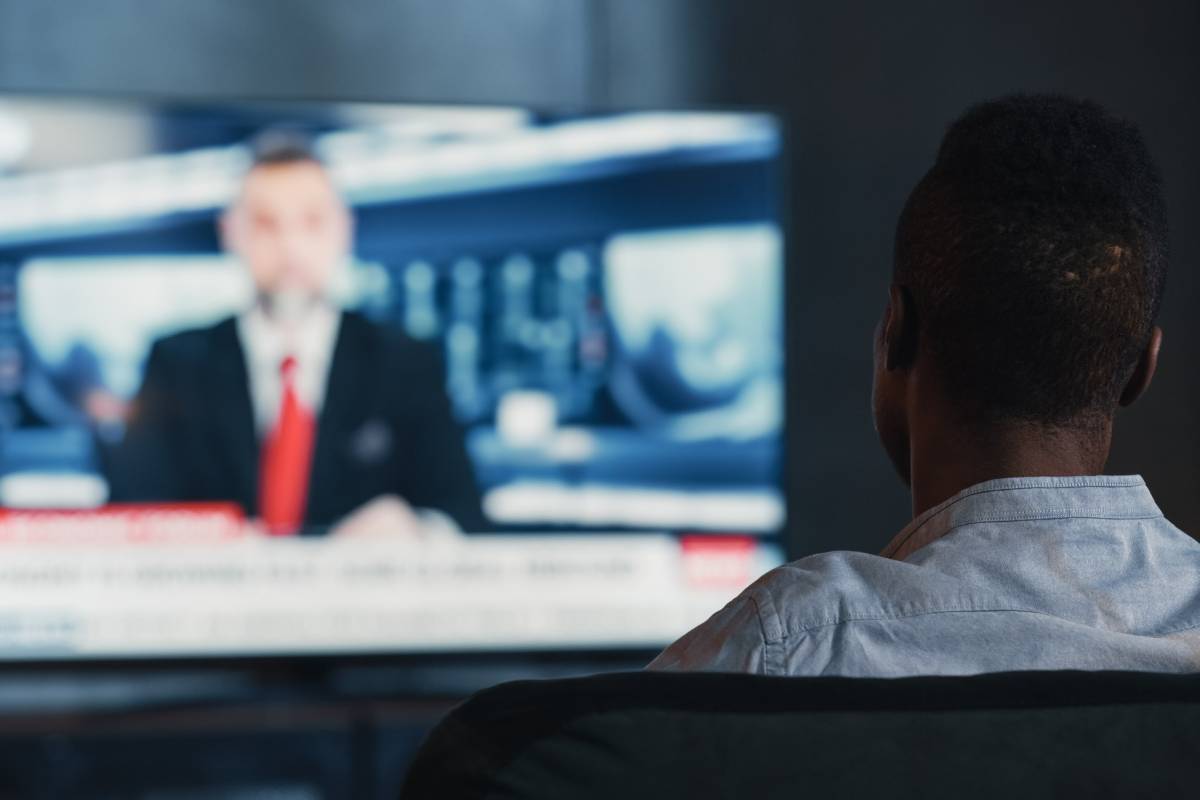
News is now consumed in small, emotionally potent pieces. A headline while brushing teeth. A video clip while waiting for coffee. A dramatic post at a stoplight. These fragments provoke strong emotions without offering full context.
Pew Research found that 63% of Americans only read headlines when scrolling through social media. This means most people see only the emotional impact of events, not the full story.
Moreover, algorithms in social media platforms are designed to prioritize content that generates engagement—such as outrage, controversy, or emotional reactions—over content that is balanced, factual, or solution-oriented. This creates a feedback loop where users are repeatedly exposed to content that confirms their existing beliefs, reinforcing polarization and reducing exposure to diverse perspectives.
For instance, a user who initially shares a post about a candidate’s controversial statement may later see a series of similar posts from others, all emphasizing the same emotional tone. Over time, this exposure can shape not only what they believe but also how they interpret political events, making it harder to see the broader picture or consider alternative viewpoints.
News Avoidance and Its Costs
Some people respond to this stress by compulsively checking news. Others decide to stop altogether. A report from the American Press Institute found that one-third of Americans want to disengage from news because it feels stressful and overwhelming.
But avoiding news comes with costs. It makes it harder to understand community issues, participate in democracy, or distinguish reliable reporting from misinformation.
Friends, influencers, and partisan accounts often share unverified claims. Without exposure to real reporting, people may miss key facts or fall into echo chambers.
For example, a person who avoids news may not learn about a local initiative to improve public transportation, or about a community-led effort to address food insecurity. These developments are often not covered in mainstream outlets but are vital to the health and functioning of neighborhoods. Without access to such information, individuals may feel disconnected from the realities of their communities.
Additionally, when people avoid news, they are less likely to engage in civic activities such as voting, volunteering, or attending public meetings. These actions are essential for a functioning democracy, and their decline can lead to a weakening of public trust and participation.
Three Ways to Stay Informed and Calm
Choose a Source That Includes Solutions
Instead of just reporting problems, look for news that includes possible solutions. This is called constructive journalism.
Constructive journalism covers serious issues but also asks: Who is affected? What is being tried? What can citizens do?
When choosing a source, ask: Does this reporting help me understand the issue? Does it explain possible solutions? Does it leave me feeling informed, not alarmed?
For instance, a news story about a proposed tax policy could include not only the details of the policy but also interviews with economists, community leaders, and affected families. It might also explain how the policy could be implemented, what alternatives exist, and how citizens can respond. This kind of reporting helps readers feel more empowered and less helpless.
Balance Distressing News with Inspiring Media
It’s not necessary to ignore difficult realities. But we can balance election coverage with stories of kindness, courage, and human connection.

Research from the University of Santa Barbara suggests that stories of moral courage and collective care can reduce stress. These emotions include gratitude, hope, and elevation.
Examples include videos of neighbors helping after a disaster, profiles of local organizers working across differences, or music that helps you feel calm. These moments remind us of human resilience and connection.
Just as one healthy meal a week does not fix health problems, one inspiring story won’t undo chronic stress. But over time, regularly choosing media that restores us can build resilience and hope.
For example, a person might watch a short video about a schoolteacher organizing a community garden to teach students about sustainability. This story, while not directly about elections, illustrates how people act with care and responsibility—values that can be applied to political engagement.
Set Clear Boundaries for News Consumption
Think of news less like a snack and more like a meal. Snacking on headlines all day leads to emotional fatigue and little understanding.
Instead, choose one or two times each day to engage with the news. Read a full article over breakfast. Listen to a trusted news program on your commute. Set aside 15 minutes at lunch to review major stories.
If you’re prone to compulsive checking, use digital tools like app limits or notification settings. Avoid late-night news checking. By then, your mind is already tired. A stream of negative headlines can lead to doomscrolling—feeling more agitated and less able to sleep.
Setting boundaries doesn’t mean becoming indifferent. It means engaging with news thoughtfully, in context, and with emotional space.
Why This Matters
Election stress is real because elections matter. Feeling concerned about the future does not mean something is wrong with you—it means you care.
But caring does not require constant exposure to distress. We can choose reporting that informs and empowers us. We can balance difficult coverage with media that reminds us of human possibility. And we can set boundaries that give our minds a chance to rest.
The goal is not emotional numbness. It is becoming an informed citizen who can face difficult news, stay connected to what matters, and still have hope and calm to act.
For more on managing election stress, see the original source. For a deeper look at anxiety and politics, visit the Mayo Clinic’s discussion. And explore research on positive media at PMC.
For a mindfulness practice to help with stress, try this meditation guide.
When political news feels overwhelming, it’s okay to step back. But staying informed doesn’t require constant exposure. A balanced approach helps both your mind and your democracy.
Sources & further reading
Featured image: original publisher image. Via original publisher. Image source