Brands Are Shifting from TV to Influencer Marketing
Brands are moving advertising budgets from traditional TV to social media influencers. This shift has grown rapidly over the past decade. It reflects trust in personal, peer-like voices over polished commercials. Source: theguardian.com.
Unilever, the company behind Dove soap and Hellmann’s mayonnaise, has made a major strategic change. It slashed its nearly £100m TV ad budget. The company now invests heavily in influencer marketing.
Unilever has expanded its creator network to over 500,000 in just two years. This is a sevenfold increase. It marks a sharp departure from its history as a top-three TV advertiser in the UK. The company has largely stopped airing on major broadcasters like Channel 4.
Key Influencer Partnerships
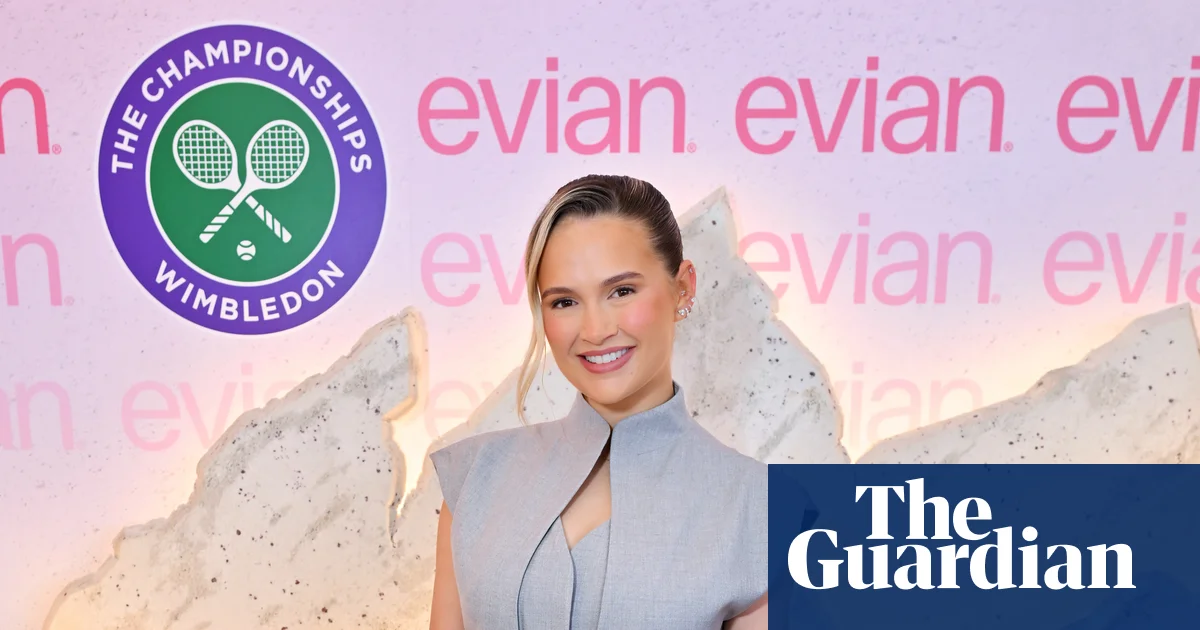
Unilever now partners with creators such as Molly-Mae Hague, a former Love Island contestant. She promotes laundry and fabric conditioner products. Another key partner is beauty creator Jen Chae. Her content resonates with younger, digitally active audiences.
These partnerships show how brands now see influencers not just as endorsers. They are seen as essential parts of brand ecosystems. Influencers build real-time emotional connections with consumers.
Controversy Over Public Events
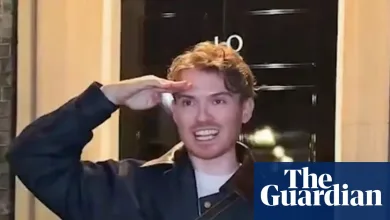
Andy Burnham invited influencers to events at 10 Downing Street. The goal was to connect with younger audiences. Some content posted by these influencers featured clips on the steps of No 10.
Some clips included lewd or inappropriate lyrics. The posts were widely criticized. They were seen as disrespectful to public institutions and figures. The incident raised serious questions about content oversight.
Burnham has defended his approach. He says engaging with young people through modern platforms is vital. A government spokesperson noted that creators are ‘obviously responsible’ for what they post. But the fallout shows that inviting influencers doesn’t ensure appropriate content.
Backlash Over a Luxury Staycation
Space NK, a beauty retailer, organized a luxury staycation for influencers and celebrities. The event took place at a five-star country house in Surrey.
It included beauty treatments by brands like YSL and GHD. A lavish Christmas party was also held. The goal was to launch a new product range.
Many consumers criticized the event as ‘tone deaf’. They felt it ignored financial pressures. The festive period adds stress to household budgets. The event seemed to contradict the brand’s message of affordability.
Success Stories in Authentic Content
Kathryn Turner, a product development director at M&S; Food, began posting on TikTok with just 30 followers. A small team of staff supported her early efforts.
Her content — behind-the-scenes looks and honest reviews — grew quickly. Today, she has over 700,000 followers across TikTok and Instagram.
A video promoting a new chocolate and cornflake cookie caused long queues. Panic buying scenes emerged at some M&S; stores. This shows how authentic, human content can drive real consumer action.
Human Advocacy Remains Powerful
Marketing experts agree that human advocacy is one of the most effective strategies. Jessica Tamsedge, CEO of Dentsu Creative UK and Ireland, says the ‘oldest marketing strategy’ is human recommendation.
Not all creator-led campaigns succeed. Outcomes depend on how well the creator, brand, and audience align. A mismatch can lead to poor messaging or reputational damage.
Industry Growth and Professionalization
The influencer market is growing fast. The Influencer Marketing Trade Body (IMTB), founded in 2021, helped professionalize the space. It addressed issues like undisclosed paid promotions.
Scott Guthrie, director general of the IMTB, says the industry has moved from a ‘wild west’ to a more structured space. Misconceptions remain — such as the idea that influencers operate outside advertising rules.
Many creators now follow ethical guidelines and transparency standards. The industry has matured, though challenges remain.
High-Profile Creators and Their Impact
He created the world’s most expensive reality show with Amazon. He is expected to become YouTube’s first billionaire creator.
British YouTuber Brandon Baum has over 25 million subscribers. He launched a creative studio with 50 employees. Clients include Netflix, Lego, Manchester City FC, and Giffgaff.
He says the opportunities in content creation are vast. He emphasizes the need to specialize. He believes focusing on a few key areas is better than spreading thin.
Financial Reality for Most Creators
Most influencers do not earn a full-time income. A CreatorIQ report from August shows two-thirds earn less than $10,000 a year. Over 60% do not rely on content creation as their main income.
Only 5% earn more than $100,000 annually. This financial instability raises concerns about the sustainability of the creator economy.
AI and the Rise of Virtual Influencers
AI tools are advancing rapidly. Virtual influencers are emerging. Mia Zelu, known as ‘It Girl’, gained fame through AI-generated images at Wimbledon.
Research shows audiences remain engaged when told these figures are AI-created. This suggests authenticity isn’t tied solely to human presence.
However, AI threatens real creators’ livelihoods. As virtual influencers grow, the human element of content creation may weaken. This raises concerns about the future of authentic, human-driven marketing.
Brands shift to influencer marketing for reach and engagement. But it comes with risks. These include inauthentic content, inappropriate posts, and financial misalignment.
Experts like Lindsey Clay of Thinkbox argue that TV advertising remains proven and effective. If influencer marketing were truly superior, brands would not cut TV budgets. The industry is evolving, but accountability and ethics remain key challenges.
As the creator economy matures, the focus must shift from volume to quality. Content should be responsible, ethical, and aligned with both brand and audience values.
Sources & further reading
Featured image: original publisher image. Via original publisher. Image source