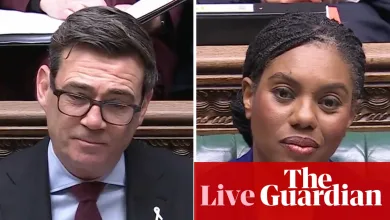
A political cartoon in The Guardian’s Comment is Free section shows a recent exchange between Ben Jennings and Andy Burnham about social media influencers and public reception. Source: theguardian.com.
What Happened
The cartoon depicts Andy Burnham, the UK’s former Labour leader and current Mayor of Greater Manchester, hosting social media influencers at a public event.
Ben Jennings created the image to comment on how public figures are increasingly engaging with influencers—especially on TikTok and Instagram.
It shows Burnham smiling and gesturing as influencers take selfies with him. Behind them, a caption reads: ‘The mayor is now on TikTok.’
Key Facts
- Andy Burnham, a prominent UK political figure, appears in a public engagement setting.
- The image includes social media influencers, showing a trend of leaders using influencers to reach younger audiences.
- The cartoon is satirical. It does not report facts or policy decisions.
How Public Engagement Has Evolved
Political leaders in the UK and beyond have long used social media to connect with the public.
Events like town halls and community meetings now often feature influencers as part of outreach.
These efforts aim to reach younger people who are most active on platforms like TikTok and Instagram.
While digital outreach isn’t new, the frequency and scale of influencer interactions have grown recently.
Why This Matters
The cartoon raises questions about how public engagement works today.
It reflects a broader shift: leaders are adapting to how younger audiences consume information.
This may improve access to public figures, but it could also reduce the depth of public discussion.
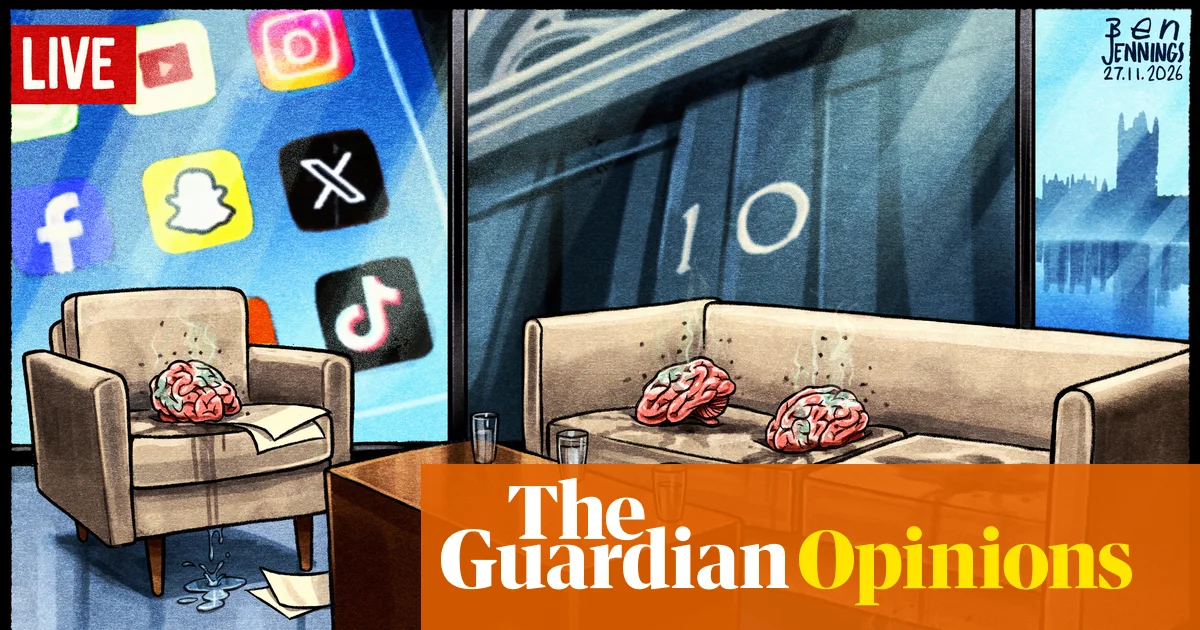
Ben Jennings’ work suggests a critical view—asking whether these events are real outreach or just digital branding.
What the Cartoon Doesn’t Say
It does not include data on how many influencers have been invited.
It does not measure how effective these events have been.
There’s no evidence that Burnham changed policy because of these interactions.
As satire, the cartoon does not represent official policy or public opinion.
What to Watch For Next
More public figures may adopt influencer-style outreach in the future.
It will be important to see if these efforts lead to real engagement or remain performative.
Younger voters’ reactions to such events will help determine their real impact.
For a deeper look at how social media affects public life, see how social media is making it harder for UK parents to raise families.
For a case study on social media and violence, see the case of Helen Haines in Australia.
For a broader analysis of social media’s role in politics, see how social media changed U.S.
Sources & further reading
Featured image: original publisher image. Via original publisher. Image source