A new survey shows social media is increasing anxiety among UK parents of young children. The 2026 National Early Childhood Parenting Survey by Kindred Squared includes responses from over 3,500 parents of children aged five and under. Source: theguardian.com.
Parenting Anxiety Is Rising
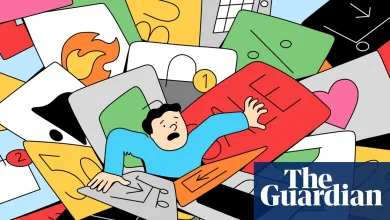
76% of parents said social media has made parenting more stressful. This anxiety comes from influencers promoting the idea of being a ‘perfect parent’ through idealized content.
59% of parents reported feeling impossible expectations and judged by online content. These pressures grow when parenting is seen as a performance to be shared online.
A London parent said: ‘I was feeling this pressure to be perfect. You have to be perfect in everything. I think social media influencers really get into your head and make you think it’s possible to be that way, but in reality, it’s not.’
Conflicting Advice and Trust Gaps
49% of parents say they don’t know which advice to trust. Online tips on feeding, discipline, and emotional development vary widely and often lack scientific support.
Only 12% of parents trust AI tools like ChatGPT for parenting advice. Many rely on personal instincts and online research instead of official guidance.
48% of parents say it’s harder to trust professionals today than in past generations. One parent in the south-east said: ‘I feel like nowadays, your GP doesn’t really know you as much any more. Everything feels rushed. You kind of have to diagnose yourself before you go to them.’
Special Needs Families Face Greater Challenges
69% of parents with children who have special educational needs and disabilities (Send) said it’s hard to access support. This is compared to 31% of non-Send families.
64% of Send families said they struggled to understand service information. Only 28% of non-Send families reported this issue. The information is often not clear or accessible to families with diverse needs.
Isolation and Emergency Support
12% of parents said they have no one outside their household to call in an emergency. This risk is higher for social housing tenants and parents whose first language is not English.
Such isolation makes it harder to manage crises or get help when needed. It shows a gap in community-based parenting networks.
Parent Perspectives Vary
A London parent said social media creates a ‘perfect parent’ image that is unattainable. ‘You have to be perfect in everything,’ they said.

A parent in the south-west said social media helps reduce pressure. ‘It takes the pressure away from me and just lets me enjoy the moment,’ they said.
A West Midlands parent said: ‘I love my parents, but they have no idea what it is like bringing up a child in 2026. They don’t quite understand that it’s not as simple.’
What the Findings Mean
Felicity Gillespie, chief executive of Kindred Squared, said most parents feel capable of raising children. But they face growing isolation, fear of judgment, and lack of trust in official advice.
She urged policymakers to act. Families need accessible, trustworthy advice and space to be themselves. ‘We need to remove that overriding fear of being judged or being all alone,’ she said.
Government Response
The Department for Education said it supports parents through two initiatives:
- 30 hours of free childcare for working parents, which could save some families up to £8,000 a year.
- £900m invested in Best Start Family Hubs across England. These offer trusted, community-based support for parenting, child health, and development.
These hubs build on the legacy of Sure Start. They bring early education and advice closer to families. This helps parents connect with trained professionals and share experiences.
The survey includes voices from over 3,500 parents. It shows how digital culture shapes parenting — not just in content, but in emotional and psychological experiences.
One parent said children’s needs are more complex today. Yet 71% of parents believe they understand those needs better than ever before. This contradiction shows parenting has evolved in both complexity and awareness.
For Send families, challenges are greater. While 69% said access to support is hard, only 28% of non-Send families face such barriers. This points to gaps in service availability and responsiveness.
Only 12% of parents trust AI tools like ChatGPT. This shows growing reliance on technology without confidence in its accuracy. The lack of trust in professionals — with 48% saying it’s harder today — suggests a broader loss of confidence in institutional support.
A parent in the south-west said: ‘For me, I would say it’s different in the sense that we’re more emotionally aware of what’s happening with our children, with ourselves. Whereas I feel like the older generation … you just get on with it basically.’ This shows a shift in how parents view emotional development and mental health.
Sources & further reading
Featured image: original publisher image. Via original publisher. Image source