Instagram is testing a new feature that allows creators to upload videos up to 90 minutes long. This marks a significant shift from its long-standing focus on short-form content, which has dominated the platform for years. The feature, named ‘Features,’ represents a reversal of Instagram’s earlier decision to discontinue its long-form video service, IGTV, which had been launched eight years ago. Source: techcrunch.com.
What Changed at Instagram?
For years, Instagram has prioritized short-form, vertical videos like Reels. However, despite their popularity, these videos have not translated into substantial revenue for creators.
Now, the platform is testing a feature called ‘Features,’ which allows creators to upload videos of up to 90 minutes. This is a strategic pivot that aligns with broader industry trends, where platforms are beginning to recognize that long-form content can build deeper audience relationships and offer more nuanced storytelling. The feature is currently being tested in Brazil and will expand to the U.S. in a limited rollout, indicating a cautious but deliberate approach to scaling this new capability.
Testing Begins in Key Markets
The feature is currently being tested in Brazil. This initial phase allows Instagram to gather user feedback, assess content performance, and evaluate how audiences interact with longer videos. After analyzing data from this pilot, the platform will determine whether to expand the feature to other regions. The U.S. rollout is expected to be small-scale, targeting a select group of creators and users to monitor engagement, retention, and overall platform performance.
Why This Matters for Creators
YouTube has long been the most lucrative platform for content creators. Its Partner Program enables creators to earn revenue directly from ad views, with enrolled users receiving 55% of the ad revenue generated from their videos. This model has proven sustainable over time and has paid out over $100 billion to creators, artists, and media companies in the past four years.
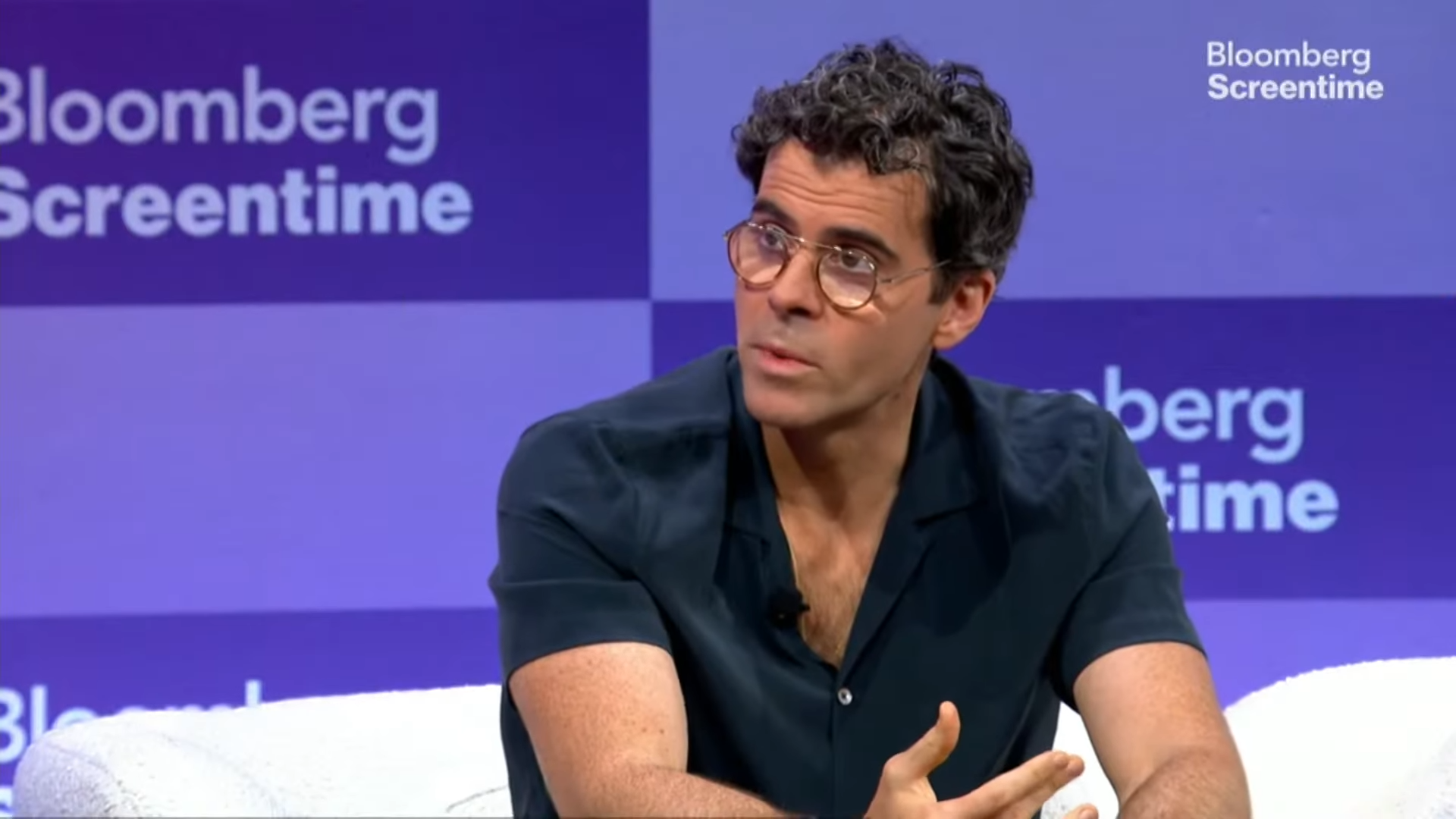
Instagram, in contrast, has not offered a comparable per-view monetization model. While it provides tools such as subscriptions and brand partnerships, these mechanisms are limited in scope and scale. According to Adam Mosseri, Instagram’s head of product, the platform currently spends more on infrastructure and development than it earns from creator payouts. This financial imbalance has historically made it difficult to scale performance-based revenue models.
Creator Revenue Models on Instagram
- Payments from fans through direct support, such as tips or donations.
- Payments from brands via sponsored content or partnerships.
- Small-scale performance-based programs, such as rewards for high engagement or reach.
These models, while present, have not generated significant returns. Meta has acknowledged that the current ecosystem does not create a balanced revenue stream for creators. As a result, many creators view Instagram primarily as a promotional tool for their YouTube channels rather than a standalone revenue driver.
How the Feature Works
Creators can now upload long-form videos directly to Instagram. These videos are accessible through the mobile app and the Instagram TV app, allowing users to view content on larger screens. Viewers can save long-form videos and send them directly to their smart TVs, expanding the reach of content beyond mobile devices and into living rooms.
Instagram is also developing a hub on a creator’s profile for episodic Reels. This feature allows creators to organize a series of connected videos into a playlist-like structure, similar to TikTok’s playlist functionality. This helps users follow a creator’s evolving narrative over time and supports the development of content series, such as documentaries or educational programs.
Why Instagram Is Making This Shift
Instagram’s leadership has long been skeptical of long-form content. Adam Mosseri once stated he was against long-form video on the platform, citing concerns that longer videos would reduce user engagement and disrupt the platform’s core experience. However, Instagram VP of Product Tessa Lyons successfully convinced Mosseri to reconsider.
Lyons argued that long-form content allows creators to go deeper with audiences they already trust. By offering longer videos, Instagram can foster more meaningful connections, allowing creators to explore complex topics, share personal stories, or present in-depth analysis without sacrificing audience loyalty.

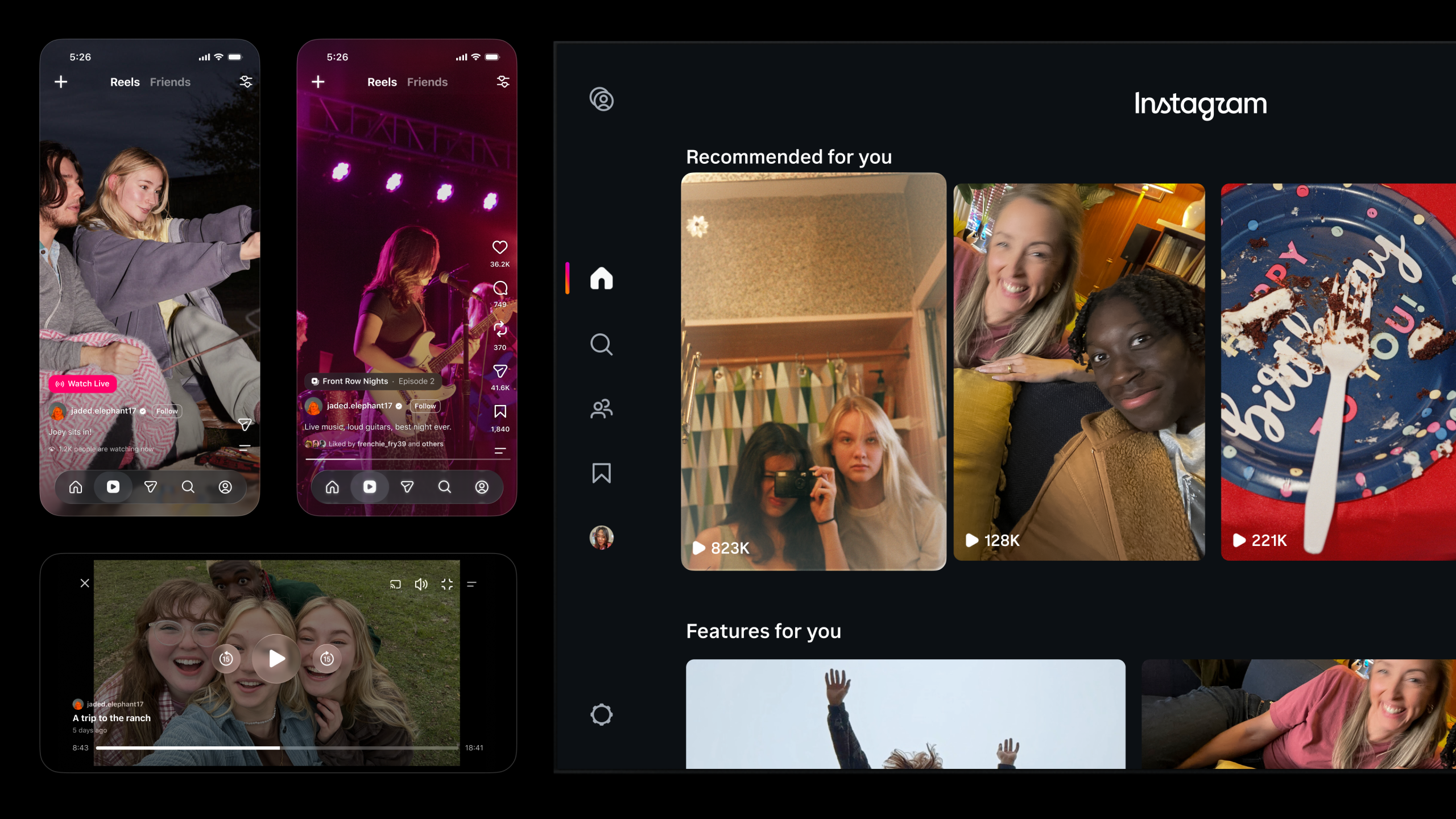
Reels will remain a core part of Instagram. The new feature aims to make short-form and long-form content symbiotic—each supporting the other. A short Reel can serve as a teaser for a full-length Feature, directing viewers to the longer video. This integration creates a seamless experience where users can begin with a quick, engaging clip and then explore a more comprehensive version of the content.
What This Means for YouTube
YouTube has maintained a dominant position in creator monetization. Its Partner Program pays creators directly through ad revenue, with a clear, transparent revenue model and a proven track record of financial returns. Instagram has not yet offered a comparable model. If it introduces performance-based payments or brand-driven revenue streams, it could challenge YouTube’s lead.
Meta has not confirmed whether ads will appear in long-form videos. If they do, it could open a new revenue path for creators. However, no specific monetization model has been announced. The company has stated it is exploring ways for creators to earn from brands, fans, and Instagram, including performance-based incentives. This remains a broad statement without specific implementation or timeline.
Limitations and Uncertainties
- Monetization details remain unclear. No timeline or revenue split has been shared.
- Testing is limited to Brazil and a small U.S. group. Wider adoption is not guaranteed.
- Long-form content is inherently harder to monetize than short-form due to ad placement constraints. Short-form videos allow for more natural ad integration, whereas longer videos require more complex scheduling and viewer attention.
Meta’s spokesperson said it is exploring ways for creators to earn from brands, fans, and Instagram. But this remains a broad statement without specific implementation. The success of this shift will depend on whether Instagram can deliver a sustainable, scalable revenue model that meets the needs of creators and maintains user engagement.
What to Watch For Next
Creators should monitor how long-form videos perform in terms of engagement, retention, and audience growth. They should also watch for updates on monetization, especially if ads are introduced in Features. Instagram’s success will depend on whether it can deliver a sustainable, scalable revenue model for creators—something it has not yet proven.
Sources & further reading
Featured image: original publisher image. Via original publisher. Image source