A Liberal senator has admitted making a factual error during a Senate estimates hearing, where she incorrectly claimed a Palestinian journalist held a Hamas ID card. Source: theguardian.com.
Senator Sarah Henderson Corrects Record on Gaza Journalist Claim
Liberal senator Sarah Henderson admitted she misidentified a Palestinian journalist during a Senate estimates session. She referenced Roshdi Sarraj, an ABC journalist who reported from Gaza, and claimed he held a Hamas ID card. This claim was based on an Israeli defence force report she cited.
After the hearing, Henderson contacted ABC managing director Hugh Marks to clarify her statement. She later wrote to the Senate communications committee to correct the record in Hansard. In a statement to Weekly Beast, she said the IDF report showed Sarraj was a Hamas military operative, not that he held a Hamas ID card. She admitted confusing details and incorrectly referenced two Al Jazeera journalists with Hamas military ID numbers.
Her error highlights gaps in how political statements are verified, especially when using third-party intelligence. The senator said her intent was not to make a false claim, but to respond to what she saw as serious evidence. Still, the misattribution shows a need for better checks in public discourse.
ABC Responds: No Evidence of Hamas Links
The ABC’s editorial director, Gavin Fang, challenged Henderson’s claim. He said the IDF did not provide evidence that Sarraj had active ties to Hamas. Fang maintained the ABC has no verified links between Sarraj and the organisation.
He stated: ‘For the best of our knowledge, Sarraj was a legitimate journalist who was tragically killed.’ This reflects the broadcaster’s commitment to accuracy and avoiding unverified assertions.
The ABC has since clarified on its website that it does not accept unverified claims about individuals’ affiliations. It says such claims can influence public perception and must be treated with caution. Reporting is guided by principles of accuracy, neutrality, and accountability.
Offsiders Presenter’s Paid Partnerships Raise Questions
Abbey Gelmi, host of the ABC’s Sunday sports show, has a history of commercial partnerships. Her recent Instagram posts include paid endorsements with Bunnings, Olay skincare, fashion labels, design studios, hotels, and furniture brands.
ABC guidelines allow such endorsements if they don’t harm a worker’s independence or the integrity of public content. Gelmi’s activities are not violations under these rules, as she is not an exclusive talent.
Still, this differs from past cases. Former ABC presenter Tony Armstrong faced criticism for a voiceover ad for NRMA insurance. The ad was done without managerial approval. The ABC called it a ‘misunderstanding’ and reminded staff of external work guidelines.
ABC management says Gelmi is not exclusive, so she has more flexibility. This shows inconsistency in how commercial activities are managed across roles. It also raises questions about uniformity in media oversight of public figures.
Media Attribution Error in The Australian
A column in The Australian attributed a political comment to Victorian Senator James Paterson. It said: ‘If the Liberals didn’t win this one, they’d seriously be asking questions about why they exist’ — a quote made during a Today show interview.
Actually, Paul Sakkal, chief political correspondent for the Sydney Morning Herald and The Age, made that statement. The Australian did not correct the error. It deleted the entire paragraph. Editor-in-chief Michelle Gunn did not respond when asked.
This failure to correct a misattribution undermines trust in media reporting. It shows a preference for narrative flow over factual accuracy. Such errors can damage credibility in political reporting.
Victoria’s Opposition Leader Chooses Rightwing Influencer
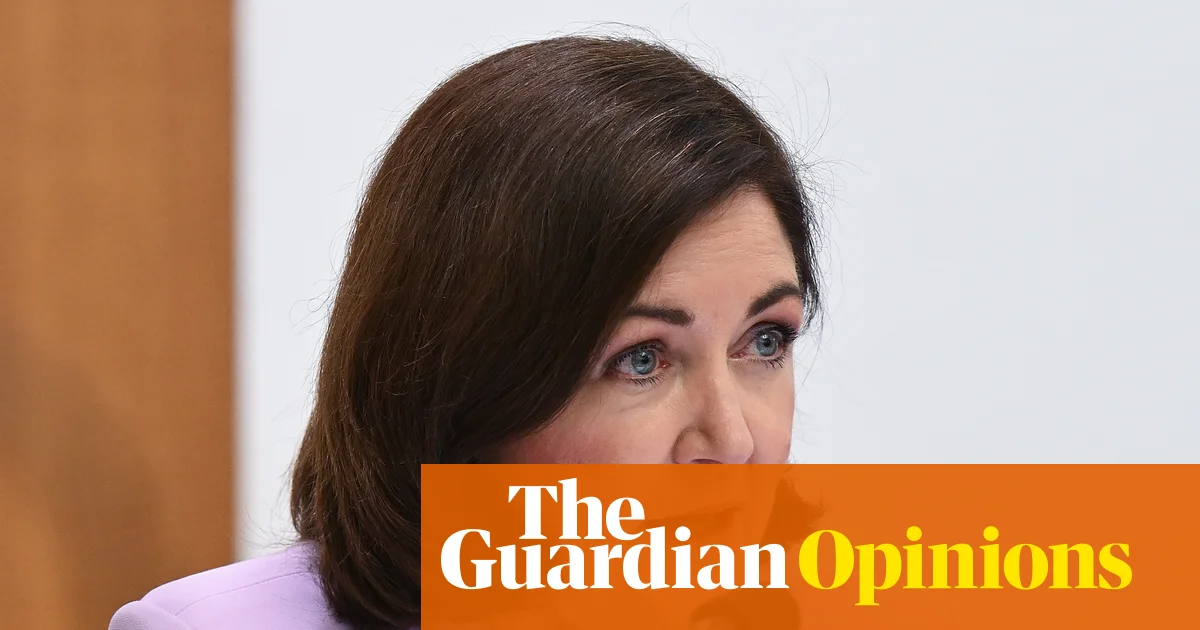
Victoria’s opposition leader, Jess Wilson, invited Calista Clements — known as the Calista Cut — for a social media interview. Clements has 200,000 followers across Instagram, TikTok, and YouTube. She is known for right-leaning views, including opposition to Wear It Purple day, criticism of Grace Tame, and support for Ben Roberts-Smith’s arrest.
Wilson, who identifies as a small-l liberal, has not publicly endorsed Clements’ views. A campaign spokesperson said agreeing to an interview does not mean endorsing every statement made. This distinction helps maintain political neutrality.
Media monitoring shows Wilson leads in share of voice at 53.9% compared to Ben Carroll’s 46.1%. The interview, which included light-hearted chats about coffee and Melbourne streets, appears part of a strategy to connect with younger voters through informal content.
Vikki Campion’s Disclosure Raises Transparency Questions
Vikki Campion, a columnist for the Saturday Telegraph, has begun a consultancy role with One Nation, the party led by Barnaby Joyce. After being questioned by Guardian Australia, she said: ‘I don’t think anyone who has read my column would be shocked that I would want to help One Nation.’
A disclosure was added to her column noting her role as a contract consultant to One Nation NSW. However, it appeared online but not in the print edition. This inconsistency raises questions about transparency in media and political affiliations.
It highlights how media figures balance personal interests with public trust. The absence of a print disclosure may signal a gap in editorial oversight or a choice to limit public visibility of political ties.
These cases show a broader trend in Australian media — where personal affiliations, commercial partnerships, and political endorsements are visible but often not fully disclosed or consistently reported. While personal choices are valid, they prompt scrutiny over editorial integrity and public trust.
Sources & further reading
Featured image: original publisher image. Via original publisher. Image source