Israeli attacks have turned Gaza into a toxic wasteland, according to a new report by Oxfam. Source: bbc.co.uk.
Environmental Contamination Across Gaza
More than 99% of Gaza shows signs of environmental contamination. The pollution affects air, soil, water, and built environments.
Contaminants include heavy metals, explosive residues, asbestos from collapsed buildings, dioxins, and biological pollutants. These substances remain in the environment for decades.
Oxfam and the Conflict and Environment Observatory (CEOBS) used satellite imagery and remote sensing to map contamination. This method avoids on-the-ground access, which is often blocked by security or damage.
The report is the most detailed analysis of Gaza’s environmental damage from three years of conflict. It links munitions use, infrastructure collapse, and uncontrolled debris to environmental harm.
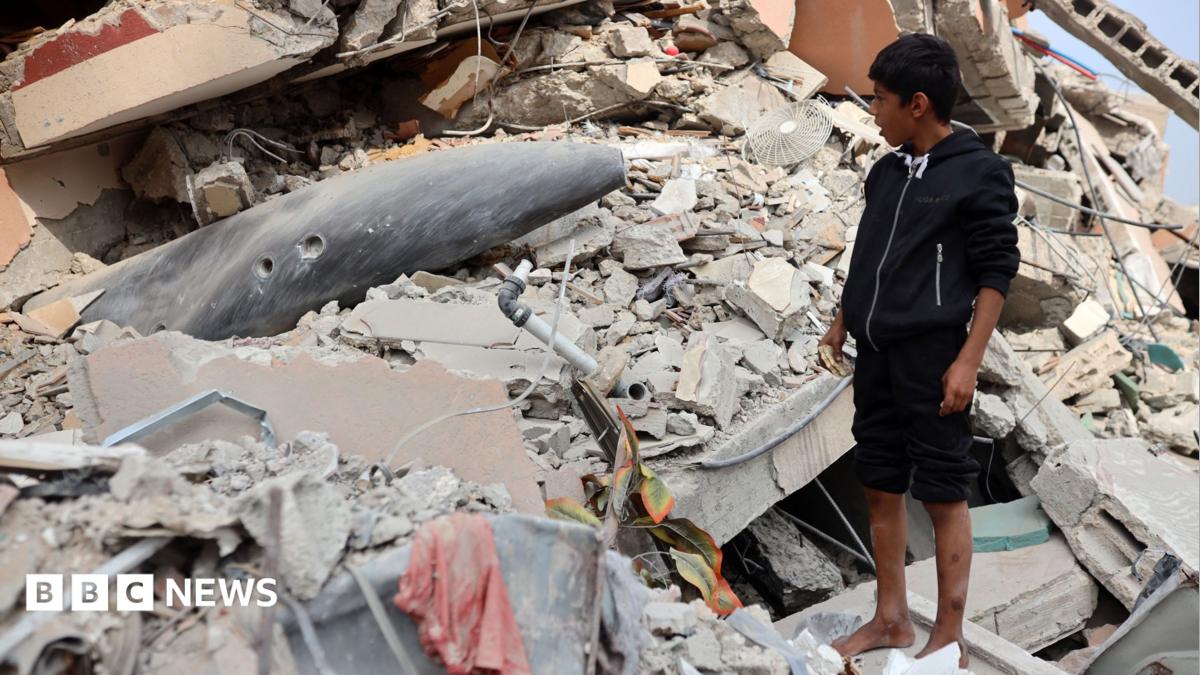
The UN estimated over 200,000 tonnes of explosives were dropped in nearly two years. This equals about 13 Hiroshima-type nuclear bombs in energy. The explosions created large craters and soil damage.
UNEP said military actions produced more than 61 million tonnes of debris. About 15% of this debris poses a high contamination risk. It includes lead, mercury, and carcinogenic PAHs.
Health Impacts on Gaza’s Population
Dr. Lama Abdul Samad, the report’s lead author, says contaminants build up in the body over time. Gazans face higher risks of respiratory diseases, cancer, organ damage, and birth defects.
Doctors report rising cases of acute respiratory infections. These are linked to dust and pollution from burning plastic, rags, and cardboard in camps. These fires release toxic fumes.
Dr. Alaa Abu Hajar, a Palestinian dermatologist, says chronic skin diseases have increased fivefold since the war. He blames pollution and poor living conditions in tents. Children are especially vulnerable.
Streets now have rodents, garbage, and untreated sewage. These conditions spread disease and worsen public health.
Water and Sanitation Crisis
All six wastewater treatment plants are out of operation. Untreated sewage flows into groundwater and the Mediterranean Sea.
Winter storms have made the crisis worse. Rain mixes with sewage and flows through crowded tent settlements. This exposes people to pathogens.
Testing is limited. Laboratories are destroyed. Israeli restrictions block equipment and experts. UNEP says security concerns have prevented staff from entering Gaza.
Impact on Agriculture and Fisheries
Farmers and fishermen say soil and sea pollution make safe food impossible. This harms food security and livelihoods.
Fisherman Abu al-Abed Sultan says wastewater is dumped into the sea without treatment. Nets often catch rubble and plastic. This harms fish and fishing operations.
These environmental harms threaten long-term food security and economic stability in Gaza.
Official Responses and Ongoing Disputes
Oxfam’s executive director, Amitabh Behar, calls Israel’s actions ‘environmental war crimes.’ He says the campaign amounts to an ‘ongoing genocide.’ He argues environmental conditions are now unsafe for human survival.
Israel rejects these claims as ‘baseless and distorted.’ It says its campaign was a defensive response to a Hamas attack on 7 October 2023. It claims steps are taken to protect civilians.
Israel ties reconstruction to Hamas’s full disarmament. In July, Hamas accepted a US-led plan to disarm in exchange for troop withdrawal. Israel said the plan was not enough.
What to Watch Next
Oxfam calls for a full, independent environmental assessment before any clean-up. Workers must be protected from exposure to hazardous materials.
Humanitarian conditions remain dire. Long-term health and environmental effects are expected to grow. More data and independent checks are needed.
For more on the environmental impacts of conflict, see the original report at BBC News.
Sources & further reading
Featured image: File photo showing a Palestinian boy looking at an unexploded bomb in the Rimal neighbourhood of Gaza City (13 November 2025). Via original publisher. Image source