TV presenter Jonathan Ross has said he is horrified by allegations of sexual misconduct against David Walliams and Russell Brand’s rape conviction. Source: bbc.co.uk.
What Ross Said About the Allegations
Ross was once on friendly terms with both Walliams and Brand, through their appearances on his show.
He admitted at the time he was ‘genuinely unaware’ of any misconduct.
Now, he says he is ‘horrified’ by the revelations and supports the women who came forward.
Allegations Against David Walliams
Walliams has been accused by several women of grooming them during teenage years.
One woman, Lilly Creightmore, said Walliams invited her to move in with him when she was 18.
She said she felt pressured to share a bed and made it clear she had no romantic interest.
After a week of refusing, she said Walliams became moody, rude, and cold.
She now calls the encounter at age 15 a ‘sexual assault’ due to the power imbalance and lack of consent.
Walliams denies all claims. He says he is not a sexual predator and has not broken the law.
He admitted to ‘thoughtless’ behaviour in some casual relationships and regrets not always respecting others’ feelings.
Allegations Against Russell Brand
Brand was sentenced to 10-and-a-half years for one count of rape and three counts of sexual assault.
He was also criticised for leaving lewd voicemails for Andrew Sachs, a BBC Radio 2 broadcaster and grandfather of Georgina Baillie.
These voicemails were made during a consensual relationship with Baillie in the mid-2000s.
Since the conviction, the Metropolitan Police have received several reports about the allegations.
Media Investigation and Industry Response
A joint three-year investigation by ITV News and the Guardian found that some women were young and unaware of their rights.
One woman said she felt isolated and afraid to speak up.
TV agent Dermot McNamara reported the concerns to authorities and broadcasters, but no action was taken.
A BBC spokesperson called the allegations ‘serious’ and removed the Little Britain show from BBC iPlayer.
Industry and Cultural Concerns
Culture Secretary Lisa Nandy said these cases are part of a long line of reported abuses of power in the media.
She noted that the industry still relies on brave women coming forward—often at great personal cost.
Nandy said women must feel safe at work, whistleblowers must be protected, and those in power must not hide behind fame or status.
Comedian Lucy Beaumont said she heard from a young TV worker who reported that Walliams assigned young girls—older than 16—to go to his dressing room.
The worker said Walliams described the girls as ‘vulnerable,’ suggesting a pattern of power abuse.
Beaumont offered support to an alleged victim who was in a bad state, but the woman declined.
Beaumont says she has never worked with Walliams, but she is concerned about the lack of a clear duty of care for young people in the industry.
Why This Matters
The cases show deep power imbalances in entertainment, where personal and professional roles blur.
Without strong reporting systems, misconduct can go unnoticed for years.
Public scrutiny may lead to new rules on consent, training, and accountability for media professionals.
What to Watch Next
More women may come forward with similar claims.
The Metropolitan Police will review any new reports and may launch investigations if patterns emerge.
There could be new policies on age-appropriate interactions and professional boundaries in entertainment.
Industry responses may shape future standards on power, consent, and accountability.
If you are affected by any of the issues in this story, help and support is available at BBC Action Line.
For more on Russell Brand’s accusers and the court case, see Russell Brand accusers haunted by alleged crimes, court hears.
Sources & further reading
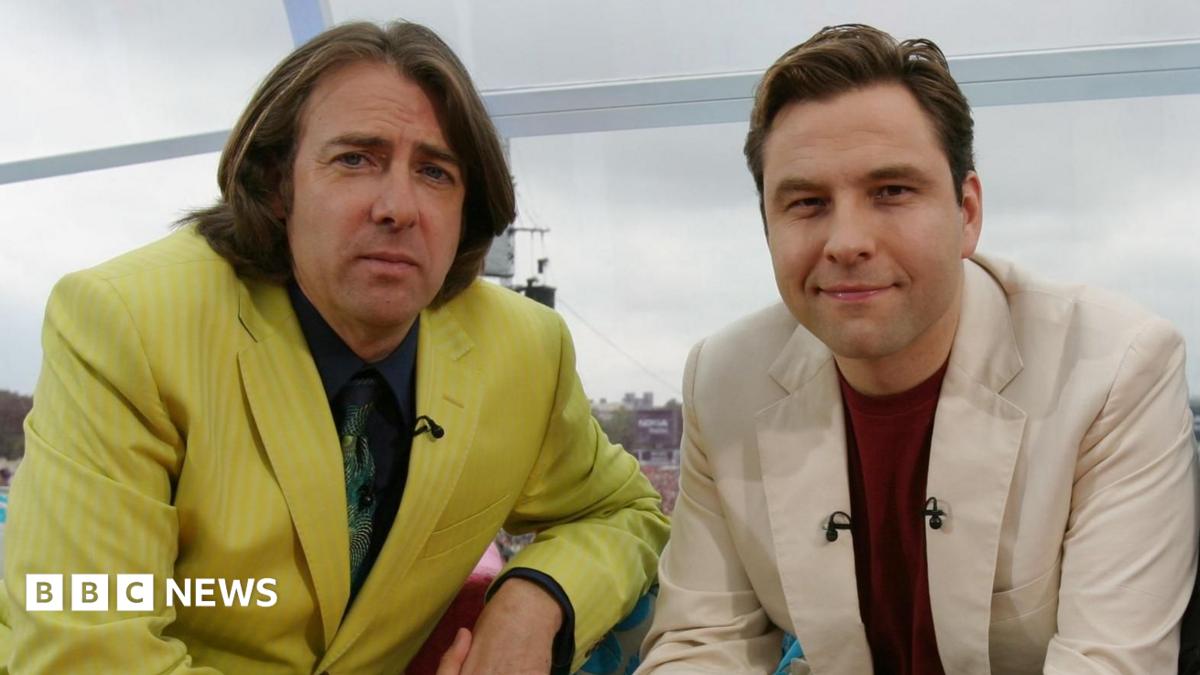
Featured image: Jonathan Ross and David Walliams at 'Live 8 London' in Hyde Park on July 2, 2005 in London, England.. Via original publisher. Image source