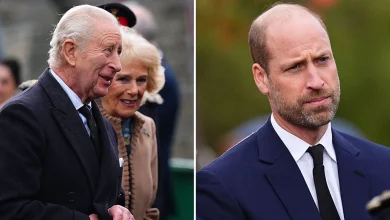
King Charles is facing what has been described as the biggest risk of his reign as he prepares for a nine-day Caribbean tour with Queen Camilla. The trip includes visits to the Bahamas, Guyana, and Antigua and Barbuda, where the Commonwealth Heads of Government Meeting will take place. Source: hellomagazine.com.
Caribbean Tour Sparks Controversy
The tour aims to celebrate the cultures, communities, and natural diversity of the Commonwealth. Yet it has sparked a major debate over reparations — compensation for the UK’s role in the transatlantic slave trade.
Historian Sir Anthony Seldon said this is the biggest risk of Charles’s reign. He noted that questions about slavery, reparations, and apologies are challenging the monarchy’s moral standing.
Activists and scholars have called for a formal apology for Britain’s role in enslaving Caribbean people. This demand stems from documented suffering in places like Barbados, Jamaica, and the Bahamas. Many descendants still seek recognition and redress.
Public and Historical Backlash
In 2021, the Prince of Wales visited Barbados as it became a republic. He acknowledged the ‘appalling atrocity’ of slavery and called it an ‘indelible stain’ on history. That speech was praised for its sensitivity but did not include an apology or reparations.
Charles has visited the Caribbean before. He went to Antigua and Barbuda in 2017 after hurricanes. He also visited Guyana in 2000 and the Bahamas in 1973. This tour marks his first return since 2021.
Official Position: No Apology, No Reparations
The King will not issue a formal apology during the tour. A royal aide said he will address the darkest days of history but stressed that apologies and reparations are government decisions. The UK government, including Prime Minister Andy Burnham’s team, has ruled out paying reparations.
The King will make three speeches. They will mention slavery and reconciliation, but not endorse formal reparations or issue a public apology. The speeches focus on cultural understanding, not legal or financial accountability.
Historical Context and Past Visits
Charles’s 2017 visit to Antigua and Barbuda supported disaster recovery. His 2000 trip to Guyana strengthened bilateral ties. His 1973 visit to the Bahamas laid early diplomatic foundations.
Royal Relations with the Catholic Church
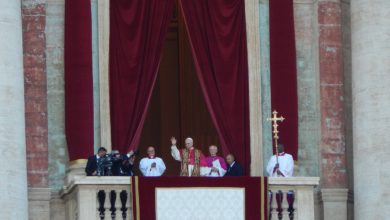
King Charles has approved an honorary title for Pope Leo XIV. The Pope has accepted the title of ‘Papal Confrater of the College of St George’ at St George’s Chapel, Windsor.
This is the first such exchange between the Church of England and the Catholic Church in about 500 years. Buckingham Palace called it a ‘visible sign of spiritual fellowship’ and ‘ecumenical friendship.’
St George’s Chapel, built between 1475 and 1528, is a key royal site. It hosted Prince Harry and Meghan Markle’s 2018 wedding and Princess Eugenie’s wedding.
The gesture follows a 2025 visit when Charles met Pope Francis in Rome. Charles was welcomed as a Royal Confrater of St Paul’s Outside the Walls. In 2025, he and Pope Leo prayed together in the Sistine Chapel — a symbolic moment for Anglicans and Catholics. It was the first such public service since the Reformation.
What This Means for the Monarchy
The Caribbean tour highlights growing tension between the monarchy’s symbolic role and public demands for accountability. While Charles has shown historical awareness, the government has not committed to reparations.
Public pressure continues to grow. The royal family has not yet confirmed whether the tour includes a formal acknowledgment of slavery or reparations. Any official response will follow government policy, not royal action. The tour remains a diplomatic event — one that reflects tradition and rising expectations for historical accountability.
For more on the royal family’s past visits, see Prince William, King Charles and Queen Camilla Visit Aberfan for 60th Anniversary Memorial.
Sources & further reading
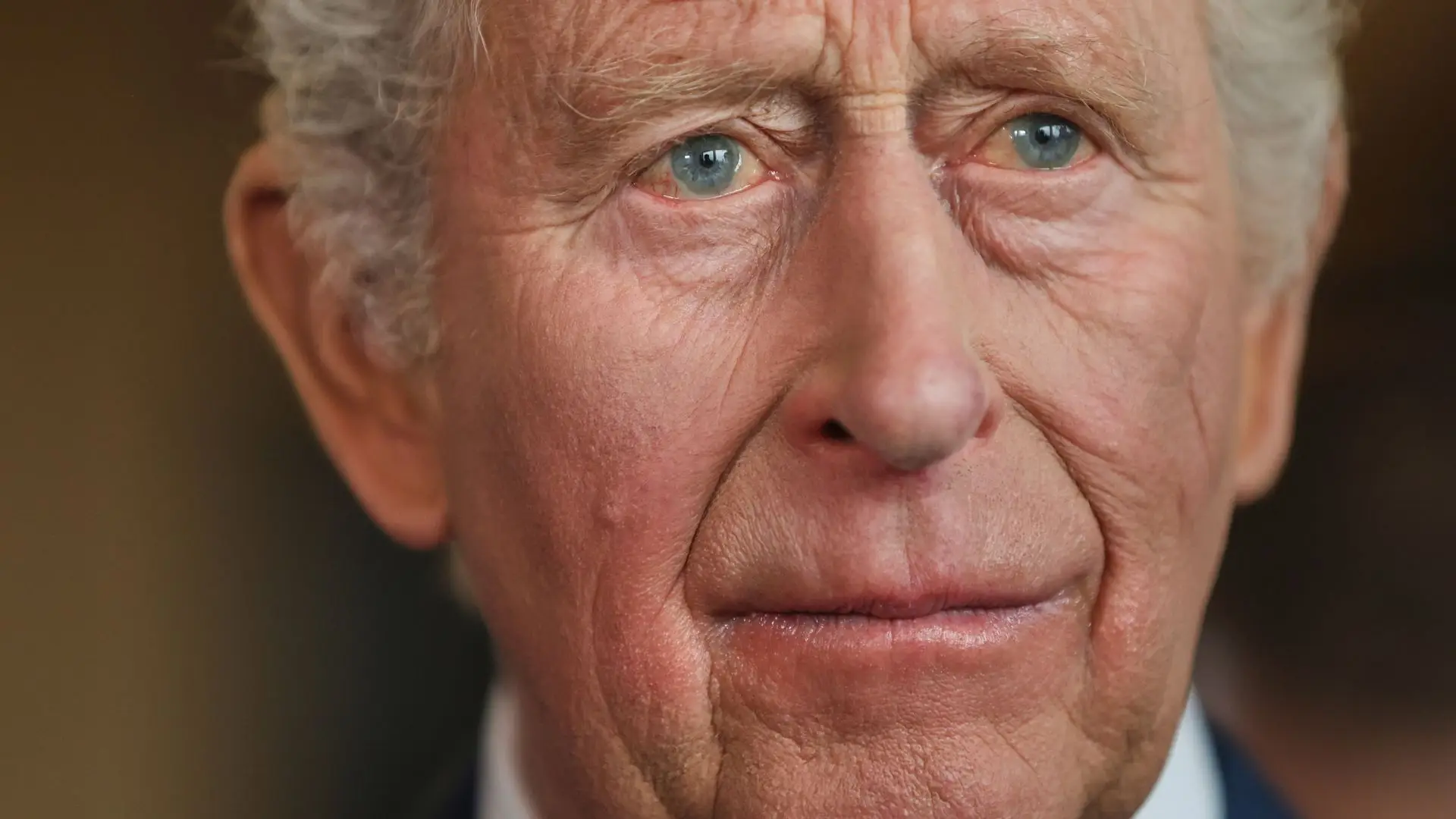
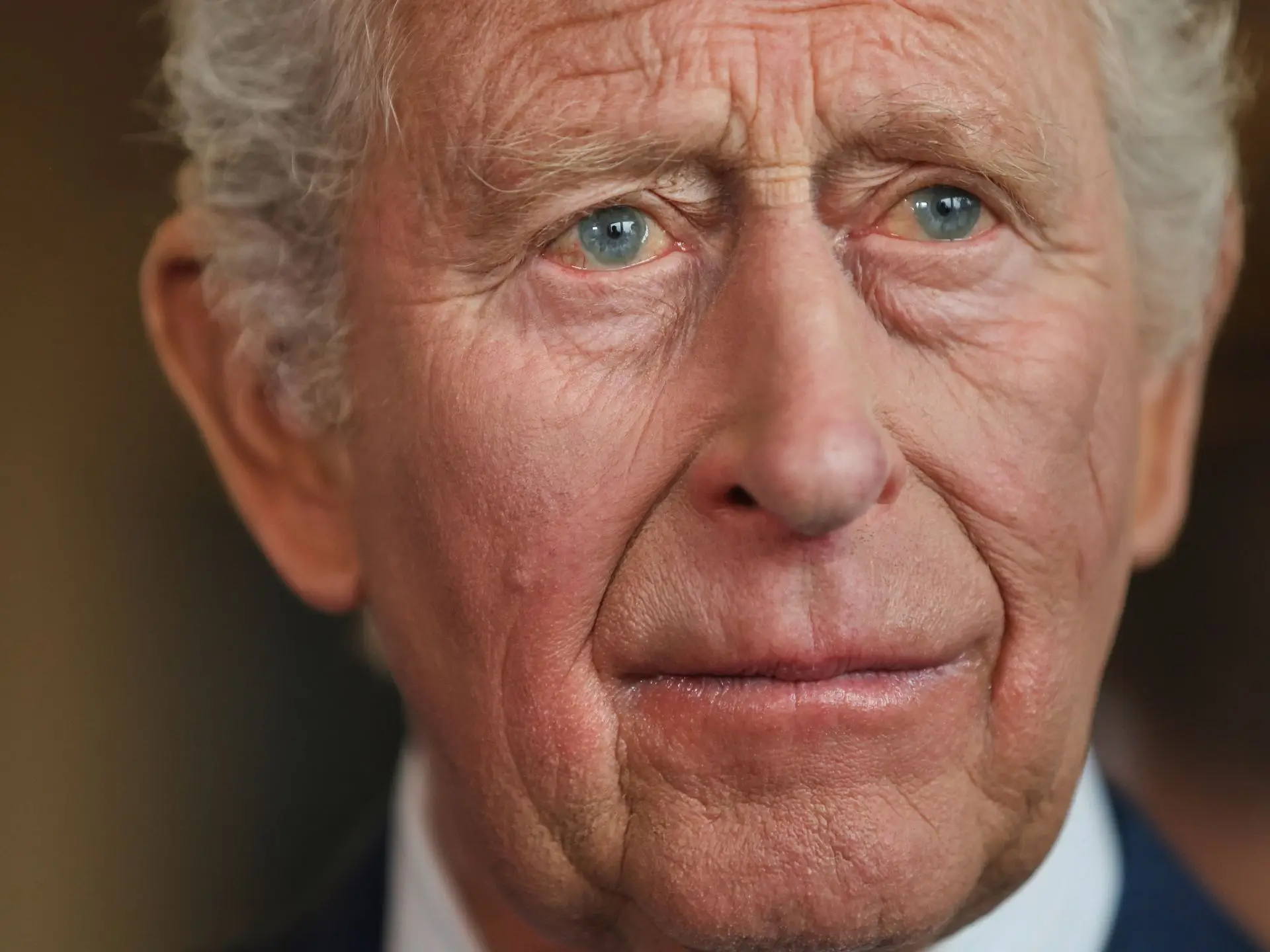
Featured image: King Charles in New York during a state visit to the United States earlier this year. Via original publisher. Image source