Lula wins fourth term in Brazil election after dramatic comeback Source: bbc.co.uk.
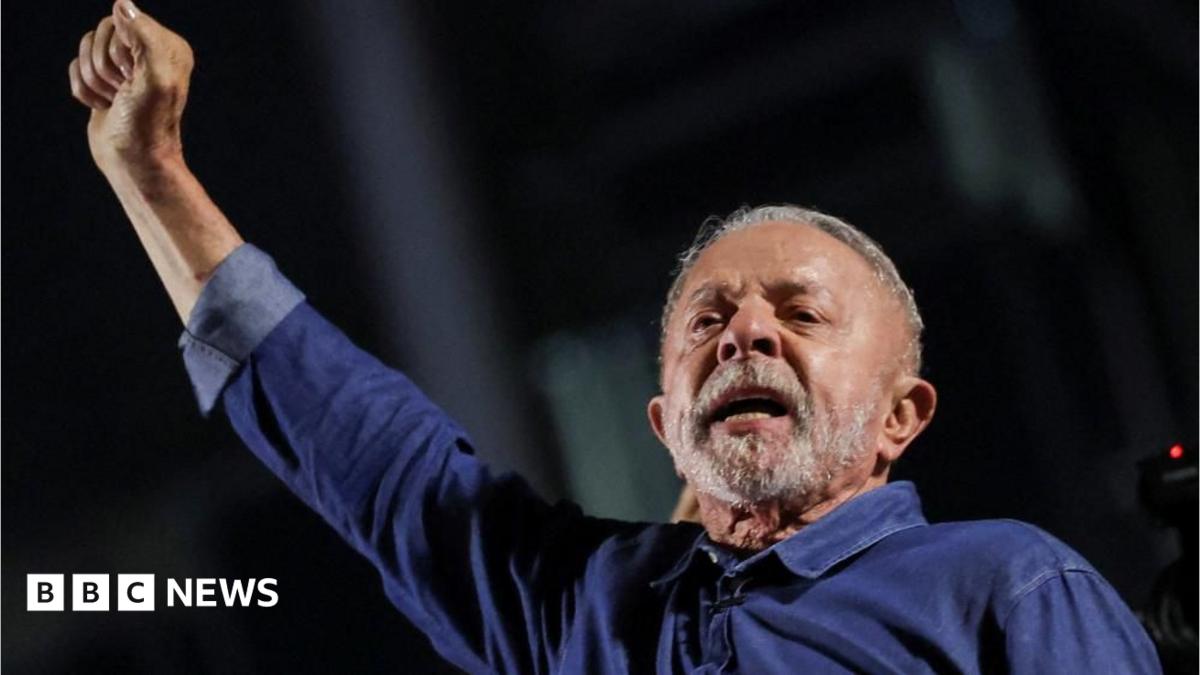
Brazil’s left-wing president Luiz Inácio Lula da Silva has won a fourth term in office, defeating right-wing challenger Flávio Bolsonaro in a decisive election result. This victory marks the first time since Brazil returned to civilian rule in 1985 that a president has won after losing the first round of voting, signaling a pivotal shift in the nation’s political trajectory.
What Happened
On 4 October, Flávio Bolsonaro won the first round with 47% of the vote, just ahead of Lula’s 45%. This set up a second round, expected to be fiercely contested. The gap between the two candidates—4.4 million votes—makes a legal challenge extremely unlikely, given the rarity of such a margin in Brazilian history.
After the first round, 33 million people did not vote. Lula’s campaign responded with a strong push to boost turnout, especially among younger voters and urban working-class communities. This effort helped turn a narrow race into a decisive victory.
Key Facts
- Lula is the first Brazilian president to serve four terms, having held office from 2003 to 2010 and again from 2023.
- The Supreme Electoral Court, led by President Kássio Nunes Marques—appointed by former president Jair Bolsonaro—confirmed Lula’s victory. It stated the two-hour voting extension did not change the result.
- Supreme Court Justice Cristiano Zanin, who once represented Lula, extended voting hours. While this has raised concerns about bias, both campaigns requested the extension. Lula cited bus shortages in São Paulo and Bahia. Bolsonaro cited heavy rain in southern regions and São Paulo.
- Flávio Bolsonaro has refused to accept the result, calling it ‘inexplicable’ and demanding an annulment. His stance mirrors that of his father, former president Jair Bolsonaro, who previously dismissed election outcomes.
Reactions and Responses
World leaders have welcomed Lula’s re-election. Mexico’s President Claudia Sheinbaum posted: ‘The people of Brazil won.’ Peru’s President Keiko Fujimori called it a ‘democratic day.’ Leaders in Chile and Ecuador shared similar messages of democratic strength.
Canadian Prime Minister Mark Carney noted that both nations have ‘flourished under our partnership.’ European Commission President Ursula von der Leyen praised ‘democracy and multilateralism.’ Spanish Prime Minister Pedro Sánchez called it a ‘great victory.’ French President Emmanuel Macron said the two nations should work for a ‘more just world.’
South African President Cyril Ramaphosa called the result a victory for ‘the global south and progressive forces throughout the world,’ highlighting its broader geopolitical significance.
Market and Political Reactions
Markets reacted negatively. The São Paulo stock exchange opened 15% lower, prompting a brief suspension before recovering. Interest rate futures rose, showing investor concern about Lula’s fiscal plans, especially on public spending and debt.
US President Donald Trump said the election looked ‘rigged’ and ‘very bad to me.’ He referenced the ‘Donroe Doctrine,’ a policy aimed at asserting US dominance in the Western Hemisphere. Lula responded by declaring Brazil will ‘not accept being anyone’s backyard,’ affirming national sovereignty.
Background: How the Election Worked
Brazil uses a two-round system. If no candidate wins a majority in the first round, a second round is held. This ensures the winner has broad public support.
Lula campaigned on social equity, public services, and economic inclusion. Bolsonaro focused on national security, traditional values, and a strong defense, appealing to rural and conservative voters.
Why It Matters
Lula’s re-election is a reversal of recent Latin American trends. Countries like Argentina, Chile, and Colombia have seen right-wing leaders rise. Brazil’s result shows a growing public preference for inclusive, socially focused governance.
It also shows democratic institutions can withstand pressure. The Supreme Electoral Court upheld the result despite a controversial judicial figure, proving the system’s resilience under scrutiny.
Limitations and Open Questions
The vote gap is large and transparent. A legal challenge remains possible, especially over Justice Zanin’s role. But such a challenge is highly improbable given the margin and process integrity.
Lula may face limited legislative power due to a divided Congress and strong opposition from Bolsonaro allies.
Relations with the United States remain strained. Trump’s comments have sparked tension. Lula’s firm stance on sovereignty may lead to a more assertive foreign policy in the coming years.
Lula, who turns 81 on Tuesday, will be the oldest president in Brazilian history to serve a full term. This is a personal and political milestone—but it comes amid deep domestic and international challenges.
Sources & further reading
Featured image: President Lula extends his right arm, his hand in a fist, as he reacts to his election. He is wearing a blue denim shirt, and has short grey hair and beard.. Via original publisher. Image source