Week in Review
1. Gaza–Israel War & Wider Middle Eastern Crisis
- Humanitarian collapse continues in Gaza: UN warns fuel shortages are “critical,” crippling hospitals, water, and aid delivery for 2.1 million people; Israeli airstrikes killed at least 28 civilians last week The Guardian.
- Palestinian militants intensified efforts to capture Israeli soldiers—an attempt failed but signals ongoing hostage dynamics The Guardian.
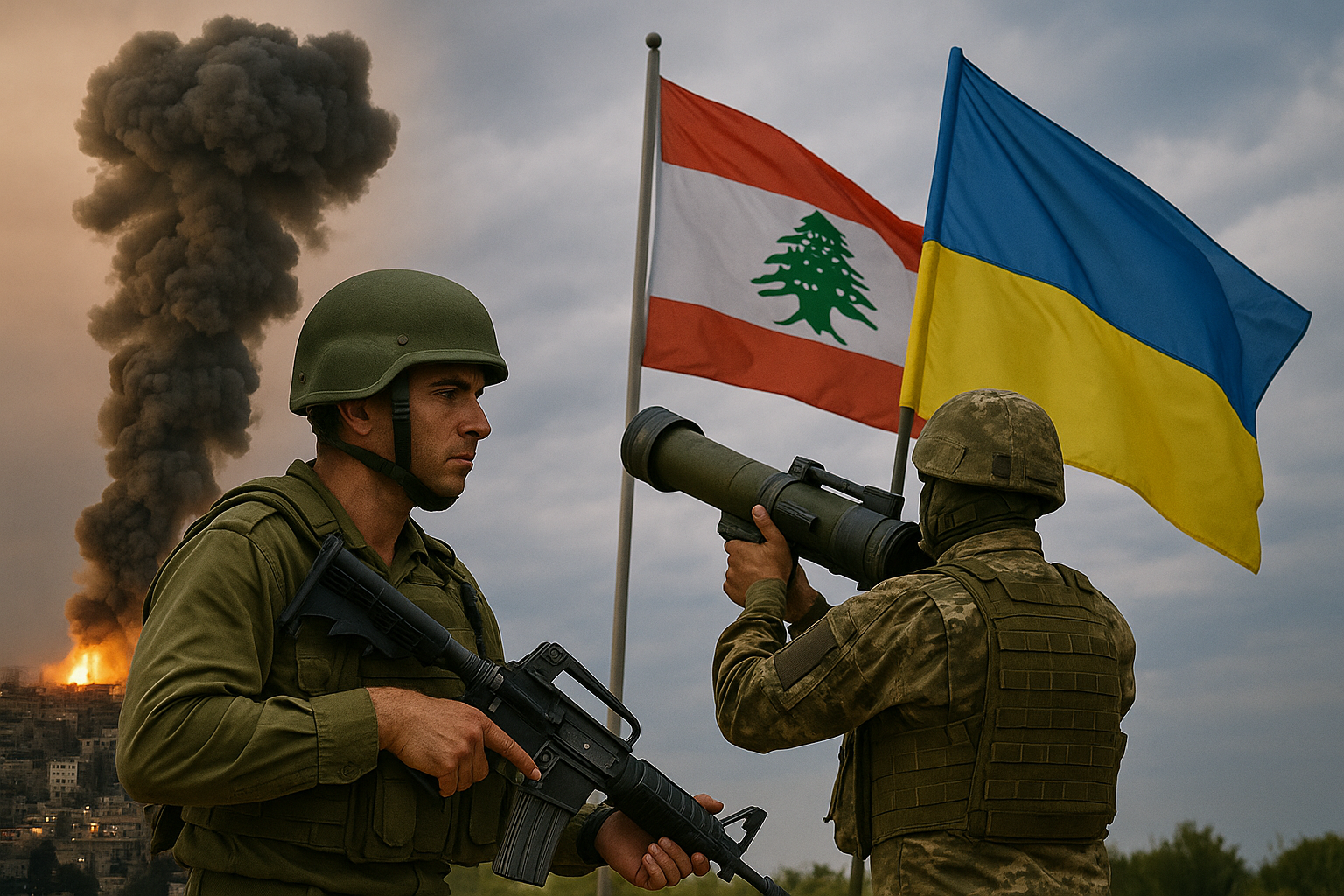
- The conflict has infected neighboring regions: Israeli strikes in Lebanon killed at least one, despite a ceasefire with Hezbollah The Guardian.
- Additionally, Israel has launched operations in Syria and Yemen targeting Iran-linked groups, applying a “mowing the grass” doctrine across the region Vox.
- Diplomatic flashpoint: indirect Gaza ceasefire talks in Qatar remain stalled; the UN-backed two-state conference is scheduled for late July The Guardian+1The Times+1.
Analysis: The war is now regional, not confined to Gaza. Israeli strategy appears aimed at sustaining pressure without full occupation. Humanitarian collapse and widening violence complicate any short-term ceasefire.
2. Russia–Ukraine Conflict
- Russia has escalated its summer offensive with ~700,000 troops, focusing on Donbas hotspots—Kostyantynivka, Pokrovsk, Slovyansk, and Kramatorsk Financial Times.
- Despite heavy missile and drone barrages (up to 500 per night), gains remain modest and costly for Russia Financial Times.
- Ukraine’s defenders are stretched; waning Western arms shipments elevate Europe’s role in supporting Kyiv Financial Times.
Analysis: The front remains static. Europe’s next moves critical as US aid slows. Expect incremental shifts rather than breakthroughs in coming weeks.
3. Iran–Israel Proxy War
- After Israel’s mid-June strikes on Iranian nuclear installations, Iran responded with missiles and drones The Times+2Wikipedia+2Wikipedia+2.
- The US intercepted Iranian projectiles and later hit Iranian sites itself—triggering further regional escalations .
- Yemen’s Houthis entered the fray, launching missile strikes against Israel in solidarity with Iran .
Analysis: The conflict has entered “undeclared war” territory, with multiple non-State actors fueling instability. Global tensions could spike if deterrence fails.
4. Israel–Hezbollah Skirmishes
- Despite a ceasefire, low-intensity conflict persists: border rockets and strikes continue; Israel conducted a ground incursion into southern Lebanon last week Vox.
- Over 1.4 million displaced and infrastructure damage continues along the border Wikipedia.
Analysis: Risk of full-scale war remains if any side escalates. Israel may test Hezbollah’s limits to consolidate border control.
5. U.S.–China/BRICS Trade & Diplomacy
- Former President Trump announced potential tariffs up to 40% on imports from Japan, South Korea, EU, Mexico, and threatened 100% BRICS tariffs Politico+2The Washington Post+2Axios+2.
- These announcements triggered global backlash: traditional allies are wary and markets rattled .
- Reuters flags faltering Gaza truce talks alongside the tariff tension Reuters.
Analysis: Trade policy is becoming sharp diplomacy again—likely to impact global alliances. Watch reactions from Tokyo, Seoul, EU capitals, and BRICS next week.
6. U.S. Domestic–Foreign Policy Nexus
- Trump is reportedly pressuring Netanyahu to agree to a 60-day Gaza ceasefire in exchange for hostages—Israeli political divisions are deepening The Times+1The Guardian+1.
- Rising GOP figures are already eyeing 2028 presidential warmth, indicating a robust Republican foreign-policy debate ahead Axios.
Analysis: U.S. domestic politics will increasingly shape foreign decisions. A ceasefire linking U.S.–Israeli diplomacy may materialise soon—but will be tough to sustain.
🔮 Outlook for the Coming Week
| Issue | What to Watch |
|---|---|
| Gaza ceasefire | Will late-July diplomacy and US–Israeli pressure yield a temporary pause? |
| Ukraine frontlines | European delivery of munitions or troops may “stabilize” the front. |
| Middle East flare-ups | Iran-linked strikes, Houthi attacks, or Israel–Hezbollah tension could trigger escalation. |
| Global trade shocks | Allies’ responses to tariffs may shift geopolitical fault lines—possible countermeasures. |
| U.S. politics | GOP foreign policy positioning will influence next-term U.S. strategies & crisis management. |
✅ In Common
- Regional wars have turned multipolar: Middle East conflicts now span Gaza, Lebanon, Syria, Iran, Yemen.
- Europe’s role is intensifying: as U.S. aid falters, Brussels will increasingly shape both Ukraine defense and diplomatic outreach.
- Economic diplomacy matters more: trade tensions are now another front in geopolitical balancing.
- Watch U.S. domestic politics: the interplay between election strategizing and policy decisions is accelerating.