A new report from Nesta suggests that around 7.5 million UK households could save £57 a year by adjusting one setting on their combi boiler. Source: skintdad.co.uk.
This finding comes from a 2022 experiment at the University of Salford’s Energy House. Nesta has recalculated the results using 2026 gas prices and average household usage.
How the saving works
Many combi boilers are set to send water to radiators at 75°C or 80°C — higher than needed for comfort.
Lowering the central heating flow temperature to 60°C allows the boiler to use more of its heat. This could reduce gas use by about 7%.
However, the saving is not guaranteed. It only applies to certain combi boilers.
Who should not make this change
If you have a separate hot water cylinder, do not follow this advice.
The Energy Saving Trust says such systems need a minimum flow temperature of 65°C. This keeps stored water safe and reduces the risk of harmful bacteria.
Comfort and health matters
Lowering the setting may make rooms take longer to warm up.
Some rooms might not get as warm, especially in poorly insulated homes or during cold weather.
The NHS advises keeping regularly used rooms at a minimum of 18°C. This supports health, especially for those with medical conditions.
If a lower setting makes your home feel too cold, raise the setting. Health should never be sacrificed for savings.
How to check your boiler setting
First, check your boiler’s make and model. Follow the manufacturer’s instructions.
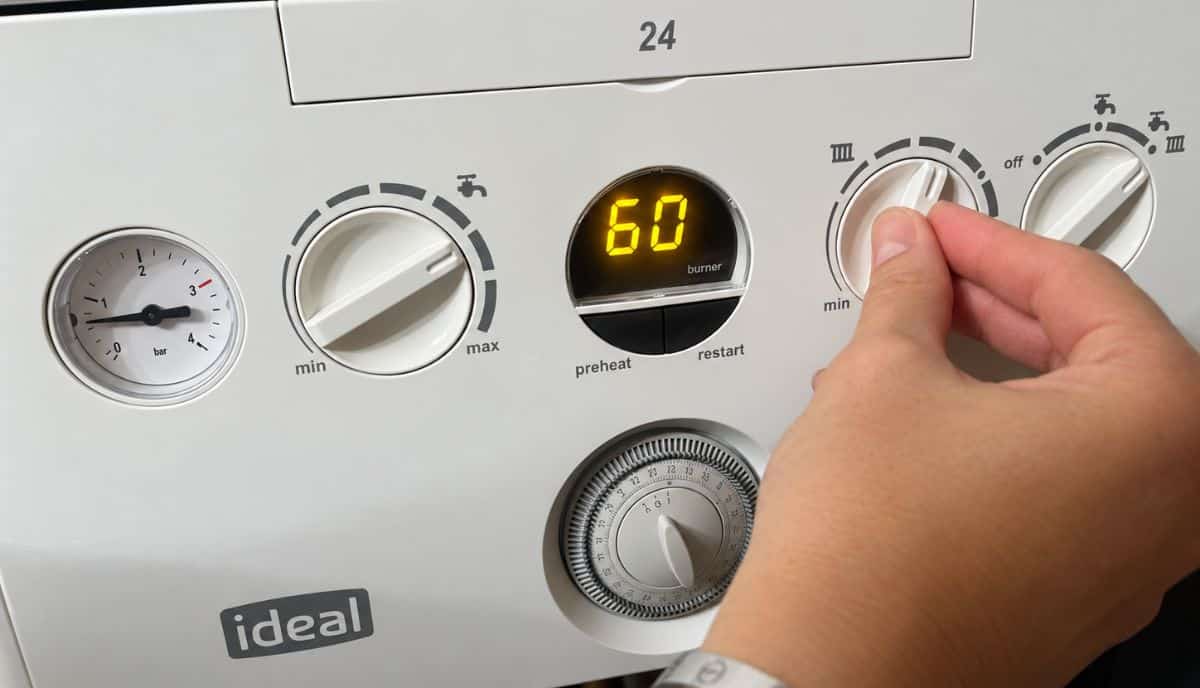
Look for a dial or digital screen with a radiator symbol. This controls the flow temperature.
Take a photo of the current setting. This lets you reverse the change if needed.
If allowed, lower the setting gradually toward 60°C.
After changing, test your home’s heating. If rooms take too long to warm up or feel too cold, increase the setting.

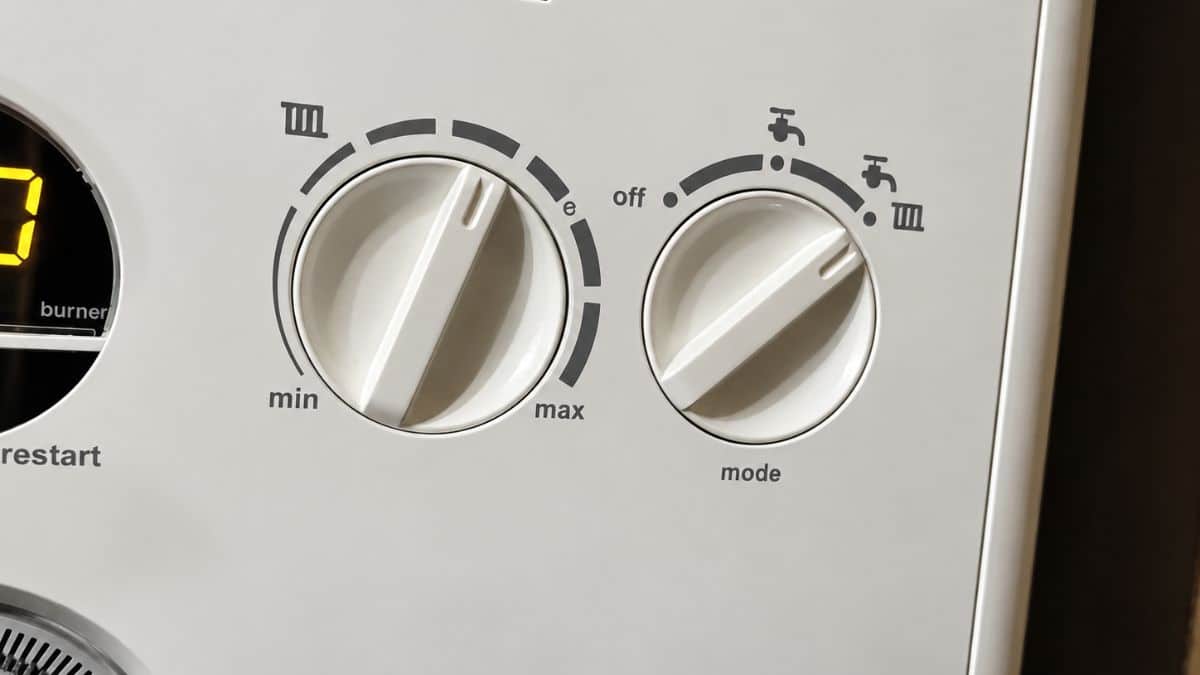
Some systems adjust temperature automatically. If you can’t find the right control, do not guess.
Consult a Gas Safe registered engineer if you’re unsure.
Other no-cost savings
Nesta estimates that six simple actions could save around £220 a year in total.
These include:
- Lower the combi boiler flow temperature to 60°C, if suitable.
- Turn off hot water pre-heat on a combi boiler with that feature. You may have to wait longer for hot water.
- Turn down radiator valves in rooms that can be kept cooler. Check instructions — valve numbers vary.
- Lower the room thermostat from 20°C to 19°C, if the home stays warm enough.
- Close curtains at night to reduce heat loss through windows.
- Use heating only during mild weather. Avoid fixed switch-off dates.
The £220 figure includes the £57 boiler saving. It is not an extra amount.
These are estimates. You may save less if you already use some of these steps.
What about rising energy prices?
Ofgem’s energy price cap will rise by 4% on 1 October 2026.
A typical household on a standard variable tariff in England, Scotland, or Wales will pay £1,723 a year — assuming no changes in usage or tariffs.
Even with these savings, many households will still face high energy costs.
Skint Dad notes: ‘With energy bills rising again, it’s encouraging to see a way some households could save money without spending anything first.’
He adds: ‘The £57 saving isn’t guaranteed, and it won’t apply to everyone.’
Small changes can help manage bills. But they don’t fix the broader issue of how expensive home heating remains.
Nesta offers a free Money Saving Boiler Challenge to help you check if lowering your boiler setting could save you money.
Before making any changes, confirm your boiler type and follow the manufacturer’s instructions. If you’re unsure, leave the setting unchanged.
These simple steps offer a low-risk, no-cost way to improve energy efficiency. But comfort and health must not be compromised.
Sources & further reading
Featured image: Checking the central heating temperature on our Ideal combi boiler. Photo: Skint Dad.. Via original publisher. Image source