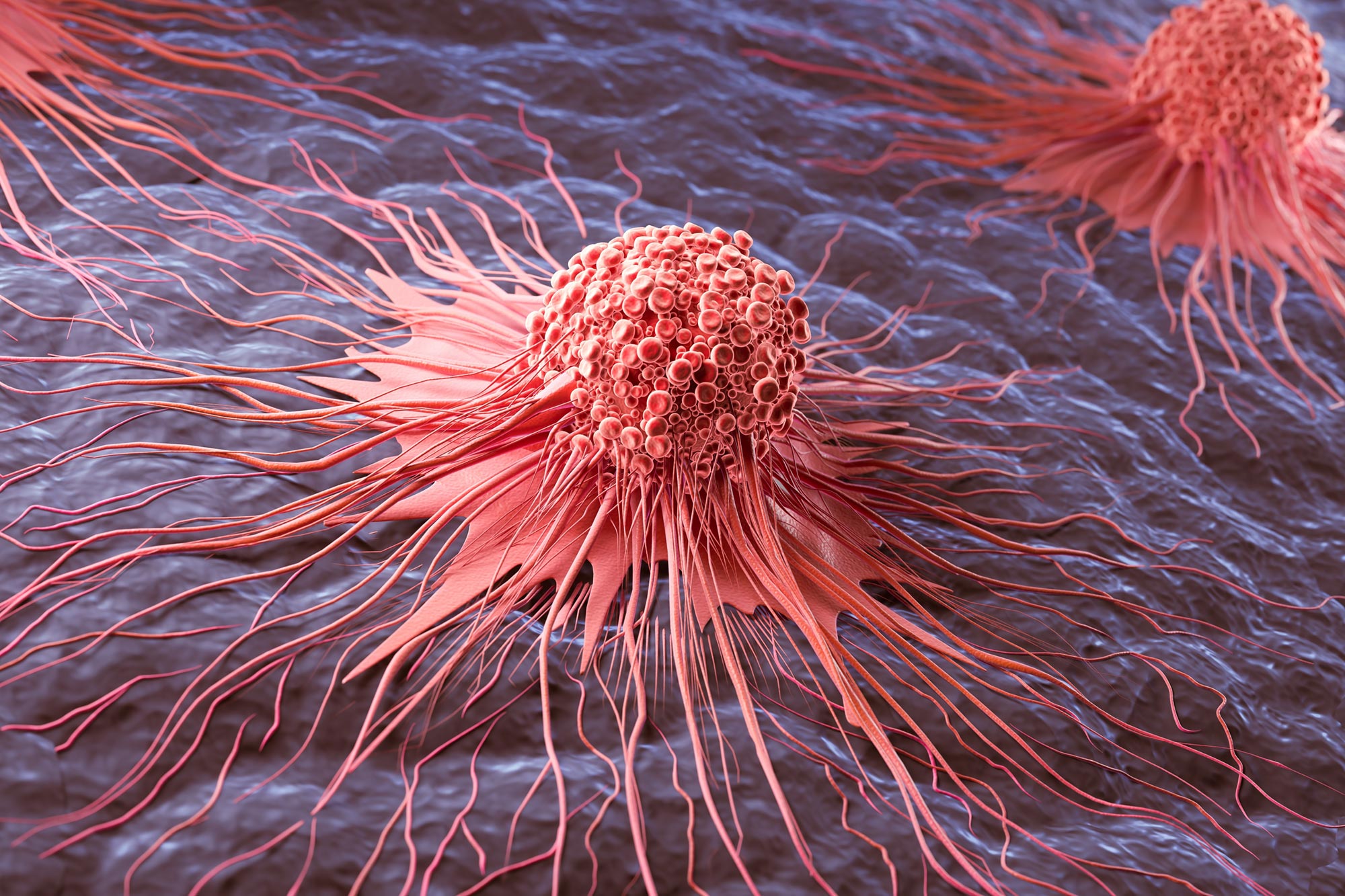
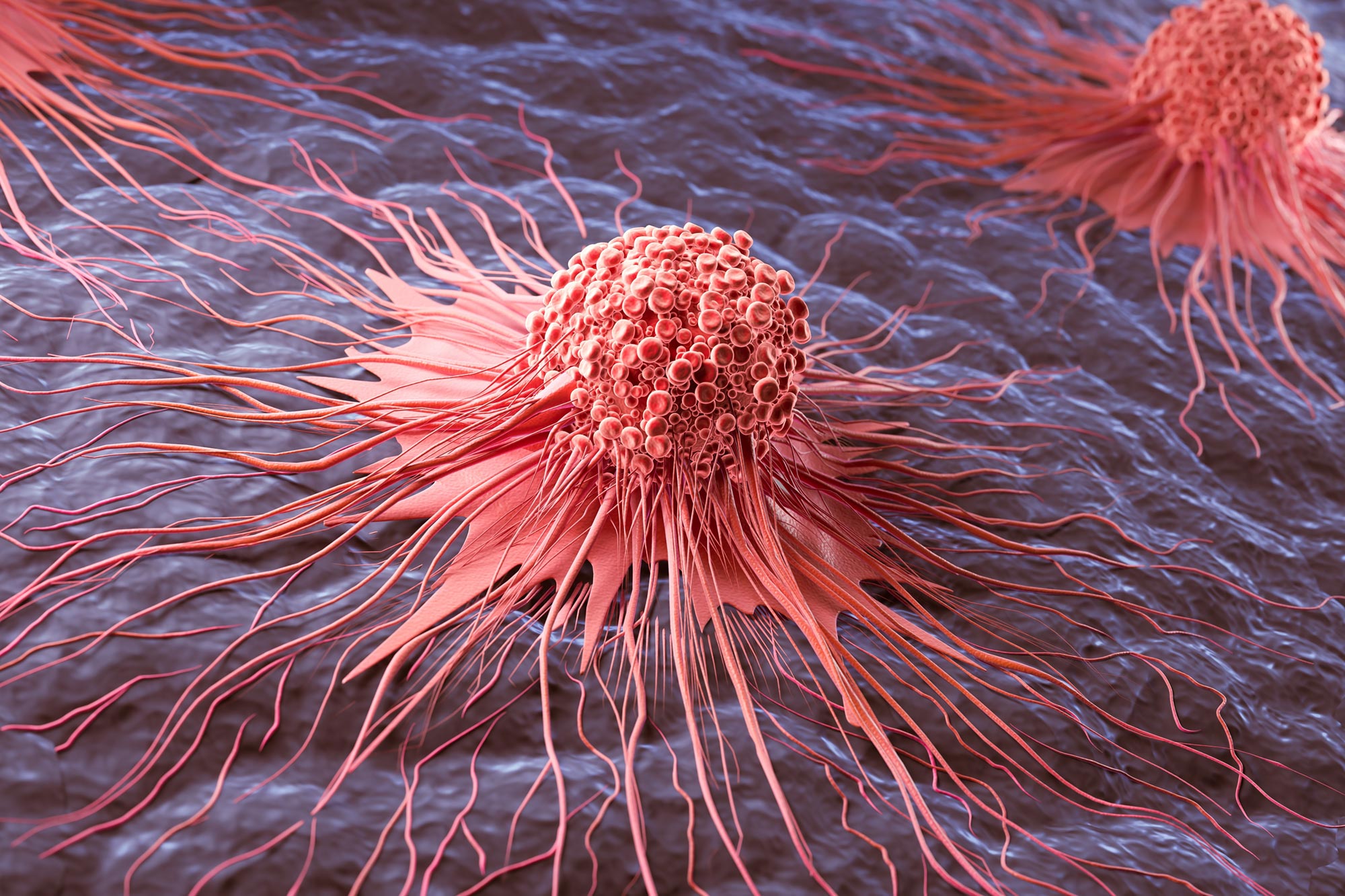
A newly identified driver of melanoma growth not only promotes tumor blood supply but also helps tumors evade immune attack.
A newly published study reports that a molecule involved in controlling gene activity also plays a central role in the growth of melanoma and in helping tumors escape detection by the immune system.
Scientists at NYU Langone Health and its Perlmutter Cancer Center identified the transcription factor HOXD13 as a critical driver of this process. Transcription factors are proteins that determine how genetic instructions in DNA are converted into the proteins that build tissues and enable cells to communicate. The team found that HOXD13 is required for the formation of blood vessels that supply melanoma tumors with oxygen and nutrients.
The findings, published in the journal Cancer Discovery, show that HOXD13 activates several biological pathways that promote the development of new blood vessels, a process known as angiogenesis. These pathways include those linked to vascular endothelial growth factor (VEGF), semaphorin-3A (SEMA3A), and CD73. When researchers blocked HOXD13 in experimental models, tumor size decreased.
The investigators also examined how HOXD13 affects immune defenses. They discovered that melanoma patients with elevated HOXD13 activity had lower levels of cytotoxic T cells in their blood compared to individuals without melanoma or without excessive HOXD13 activity. Cytotoxic T cells are immune cells that detect and destroy cancer cells. In addition, these T cells were less able to penetrate tumors in patients with high HOXD13 levels.
“Our study provides new evidence that transcription factor HOXD13 is a potent driver of melanoma growth and that it suppresses the T cell activity needed to fight the disease,” said study lead investigator Pietro Berico, PhD, a postdoctoral research fellow at the NYU Grossman School of Medicine and its Perlmutter Cancer Center.
Impact on Immune Response
The research team further found that HOXD13 alters the tumor’s surrounding environment in ways that weaken immune responses. Specifically, it increases production of CD73, which in turn raises levels of adenosine. Adenosine acts as a protective barrier for tumors by slowing down T cells and limiting their ability to enter cancerous tissue. When HOXD13 was switched off, more T cells were able to infiltrate tumors.
“This data supports the combined targeting of angiogenesis and adenosine-receptor pathways as a promising new treatment approach for HOXD13-driven melanoma,” said study senior investigator Eva Hernando-Monge, PhD, a professor in the Department of Pathology at the NYU Grossman School of Medicine and a member of the Perlmutter Cancer Center.
According to Hernando-Monge, separate clinical trials are currently assessing the safety, dose tolerance, and effectiveness of medications that block either VEGF receptors or adenosine receptors in melanoma and other cancers. Some of these studies have paired one of these inhibitors with another immunotherapy (drugs that harness the immune system to attack cancer.)
If those trials show positive results, her team plans to launch clinical studies testing a combined treatment strategy using both VEGF and adenosine-receptor inhibitors in melanoma patients whose tumors have high HOXD13 activity.
Therapeutic Implications and Ongoing Trials
Hernando-Monge also plans to investigate whether VEGF and adenosine pathways are potential targets for other cancers in which increased HOXD13 is present, including some glioblastomas, sarcomas, and osteosarcomas.
For the study, researchers analyzed tumors from over 200 melanoma patients from the U.S., Brazil, and Mexico, to see what pathways were elevated or suppressed. HOXD13 was among those that stood out. Further experiments in mice and human melanoma cell lines showed that HOXD13 also drove the other pathways involved in angiogenesis and immune evasion. Tests involving inhibition of HOXD13, VEGF, and adenosine then confirmed that HOXD13 was key to the cancer’s growth and survival.
Reference: “A targetable developmental program co-regulates angiogenesis and immune evasion in melanoma” by Pietro Berico, Amanda Flores Yanke, Fatemeh Vand-Rajabpour, Catherine Do, Irving Simonin Wilmer, Ines Delclaux, Tara Muijlwijk, Robert Stagnitta, Martha Estefania Vázquez-Cruz, Theodore Sakellaropoulos, Matheus Ribeiro. Costa, Annie Cristhine Moraes Sousa-Squiavinato, Michelle Krogsgaard, Ata S. Moshiri, Iman Osman, Jane A. Skok, Patricia A. Possik, Carla Daniela Robles-Espinoza, Amanda W. Lund, Markus Schober and Eva Hernando, 3 February 2026, Cancer Discovery.
DOI: 10.1158/2159-8290.CD-24-1853
Funding for this study was provided by National Institutes of Health grants P30CA016087, R01CA274100, P50CA225450, and U54CA263001, with additional support provided by the Melanoma Research Foundation, the Melanoma Research Alliance, United Kingdom Medical Research Council grant MR/S01473X/1, Brazilian National Council for Scientific and Technological Development (CNPQ) grants 442091/2023-0 and 309661/2023-4, and Wellcome Trust Career Development Award 227228/Z/23/Z.
Never miss a breakthrough: Join the SciTechDaily newsletter.
Follow us on Google and Google News.