Nearly four million people in the UK are living in destitution, according to a new study. The figure represents a record high and reflects widespread difficulty in accessing basic necessities like food, shelter, and heating. Source: news.sky.com.
What the Study Found
The research, published by the Office for National Statistics and supported by the Trussell Trust, suggests that a large number of people struggled to afford basic living costs.
These figures include individuals who face financial hardship due to low income, job loss, or rising living costs.
How Destitution Is Measured
The data is based on a combination of household surveys and official records. The Trussell Trust uses a standardised definition: people who cannot afford food, heating, or rent for a week.
It does not include people who are unemployed but have access to benefits or support. The study focuses on those who are unable to meet basic needs despite receiving government assistance.
Who Is Most Affected?
People in the most deprived areas — such as parts of northern England and rural Scotland — face the highest levels of destitution.
The report notes that many of these individuals live in isolation and have limited access to support networks.
Government Response and Criticism
Government officials have acknowledged the findings but have not committed to new policies. A spokesperson for the Department for Work and Pensions said: ‘We are committed to supporting those in financial difficulty and are reviewing the effectiveness of current benefit systems.’
Opposition parties have called for urgent action. The Labour Party said: ‘This is not just a statistic — it is a crisis that demands immediate intervention.’
Experts warn that without targeted policy changes, destitution could rise further. A senior economist at the University of Manchester said: ‘The cost of living has outpaced income growth. Without reform, more people will fall below the poverty line.’
Limitations of the Study
The research does not capture all forms of financial strain. It does not include informal support, such as family help or community donations.
There is also no data on how many people are in temporary hardship, such as during a job loss or illness. The study relies on self-reported data, which may underrepresent the true scale of need.
Some regions have higher cost-of-living levels, yet the standard remains unchanged.
Why This Matters
Destitution affects not just individuals but entire communities. It can lead to poor health outcomes, reduced educational opportunities, and increased social isolation.
When people cannot afford basic needs, they are more likely to experience mental health issues and long-term poverty. This creates a cycle that is difficult to break.
Public awareness of destitution is growing, but many people still do not understand what it means to live in poverty. This article aims to clarify the scope and impact of the issue.
For more on how living costs affect people in the UK, see our Cost of Living section. Learn how families manage budgets in high-cost areas with our Savings and Budgeting Tips guide.
What to Watch Next
The Trussell Trust will publish a follow-up report in the autumn, assessing changes in destitution levels after policy interventions.
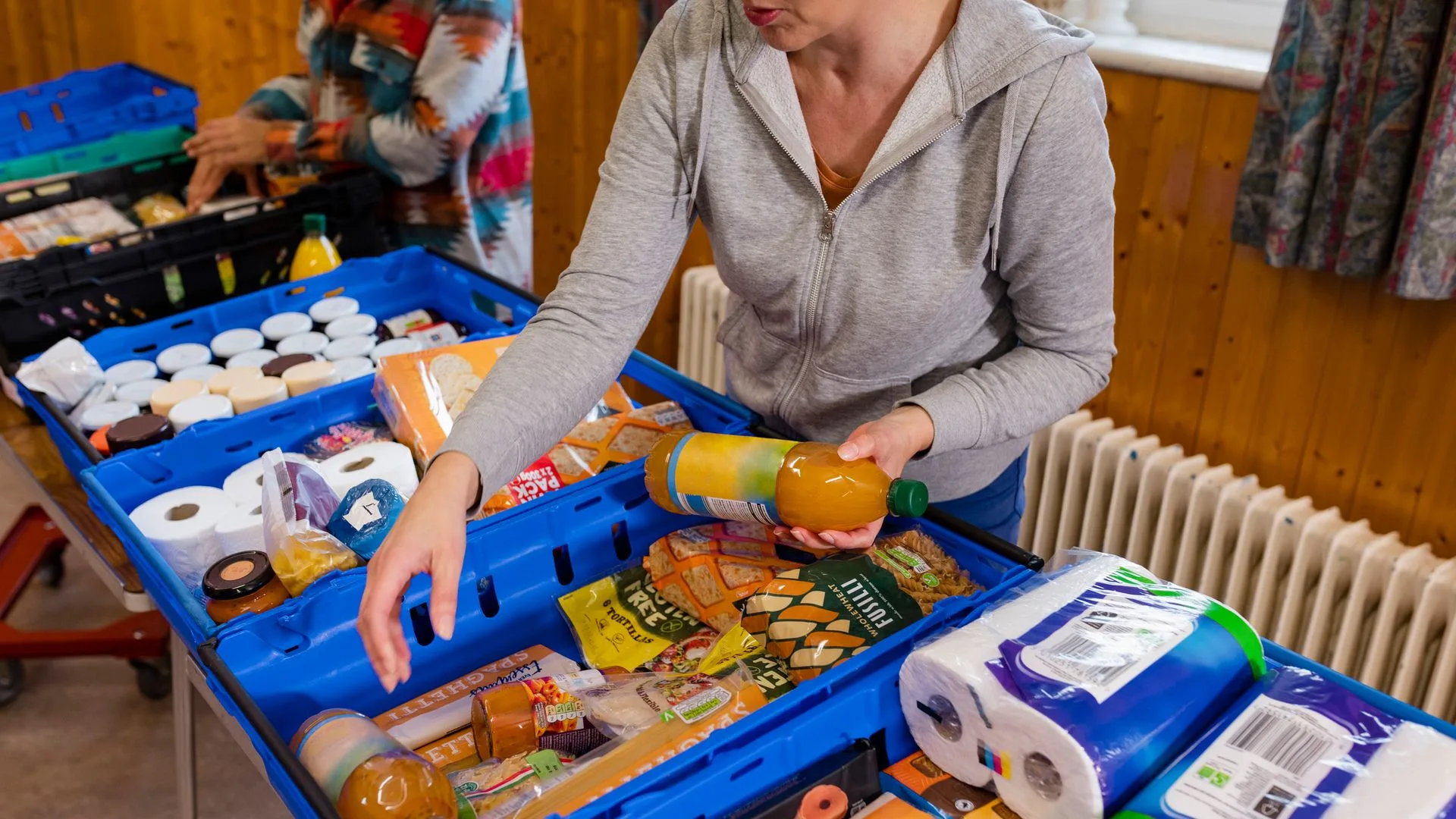
Local councils are also being urged to improve access to emergency food and support services.
While the data is clear, the response remains slow. The full extent of destitution may not yet be known, and long-term solutions are still being developed.
Sources & further reading
Featured image: original publisher image. Via original publisher. Image source