Government plans to reform so-called quangos — quasi-autonomous non-governmental organisations — have sparked debate over the future of key environmental regulators. Source: independent.co.uk.
What Happened
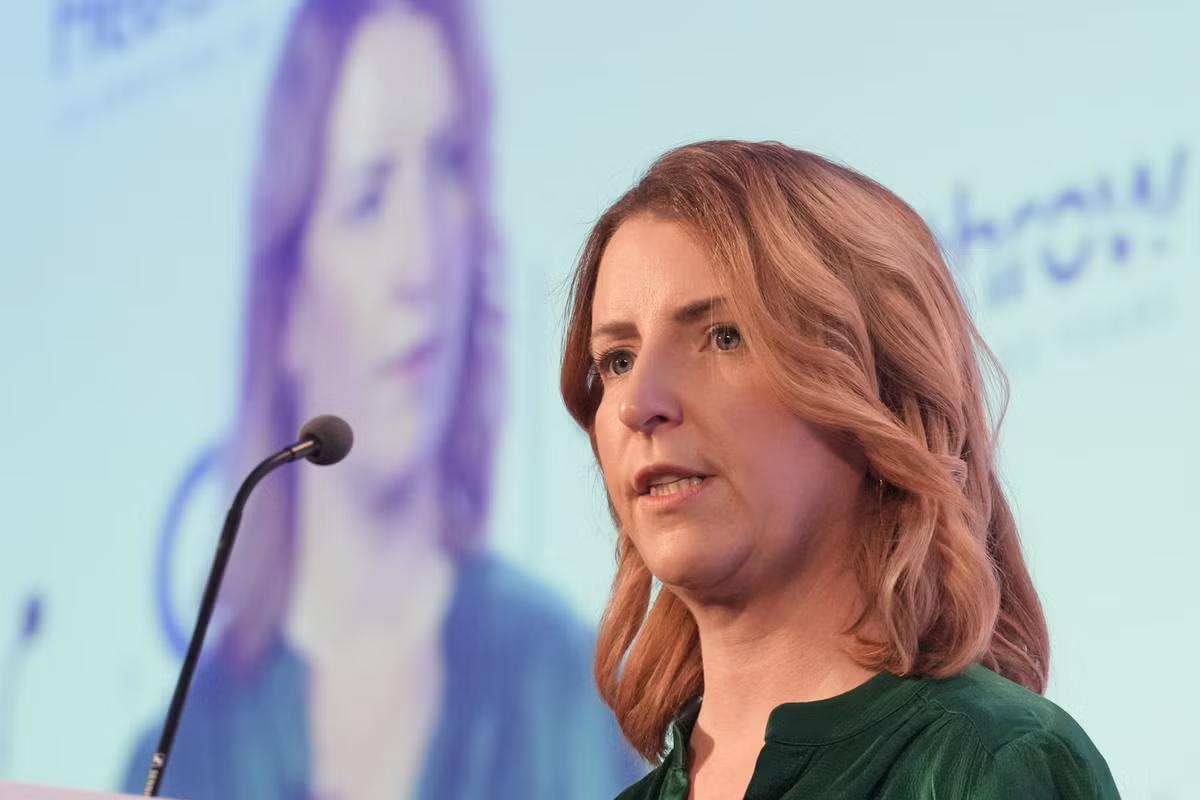
First Secretary of State Louise Haigh announced a review of several public bodies during a speech to the CBI. She named Natural England, the Environment Agency, Ofwat, and the Drinking Water Inspectorate as potential candidates for abolition or major restructuring.
The move aims to streamline regulation and speed up decision-making. It seeks to reduce bureaucratic delays and improve how public services respond to urgent national needs.
Haigh said previous governments avoided accountability by shifting responsibility to a ‘sprawling web of regulators.’ She called ‘obfuscation’ a standard practice in these bodies. She argued the state must be ‘rewired’ to give the public greater control.
Each body will be assessed for its role. The review will ask: what functions should be devolved to local areas? What can be dissolved? And what should stay under direct government oversight?
Work on reviewing Natural England’s functions has already started. Critics say it has long blocked housing and infrastructure projects. Its environmental conditions are seen as overly strict and slow to approve.
Sam Richards, chief executive of Britain Remade, welcomed the idea of abolishing Natural England. He said it reverses a trend where ‘unelected agencies’ can veto essential developments.
But he warned the move would be ‘meaningless’ if the rules it enforces remain unchanged. Real change must come through new policies, not just reorganising bodies.
Water Sector Reforms
Plans to merge Ofwat and the Drinking Water Inspectorate with the Environment Agency’s water functions were announced last year. This aims to create a more unified water governance system.
The integration reduces duplication and improves coordination. It supports a more efficient approach to water regulation and service delivery.
Devolution and Public Sector Culture
Haigh also linked reforms to the Prime Minister’s devolution agenda. She said decisions ‘intrinsic to the fabric of a place’ should be made locally, not in Whitehall.
She criticised a culture of ‘risk aversion’ in the public sector. Many officials prefer to prevent action than to allow something to happen, even when benefits outweigh risks.
She said missed opportunities cost society. These missed chances add up over time. To this, she sent a clear message to public servants: ‘We accept a higher level of risk. The buck stops with us. Be bold, be fast, and make things happen.’
Political and Union Reactions
Conservative sources claim Labour has ‘copied’ their own plan to abolish Natural England. They urge the government to go further, including scrapping the Environment Agency entirely.
Trade union Prospect warns against adopting ‘right-wing deregulatory talking points.’ Mike Clancy, its general secretary, said environmental regulators do vital work. They implement laws passed by Parliament and protect a depleted natural environment.
Workloads are high. Thanks are scarce. Natural England now has more responsibilities than ever. Its role is more critical with climate change. Yet resources have been cut for decades. This has led to delays and frustration.
The reforms signal a shift in government priorities. Speed and accountability are now central. While efficiency is improved, concerns remain about balancing oversight with effective policy delivery.
There is no clear timeline for any changes. It’s uncertain whether any bodies will be fully abolished or just restructured. How environmental standards will be maintained under new arrangements is still unknown. Environmental groups and public sector unions may resist these changes legally or politically.
Sources & further reading
Featured image: original publisher image. Via original publisher. Image source