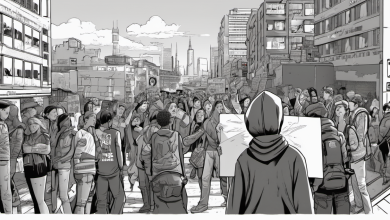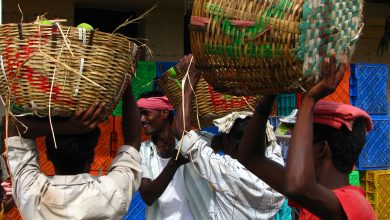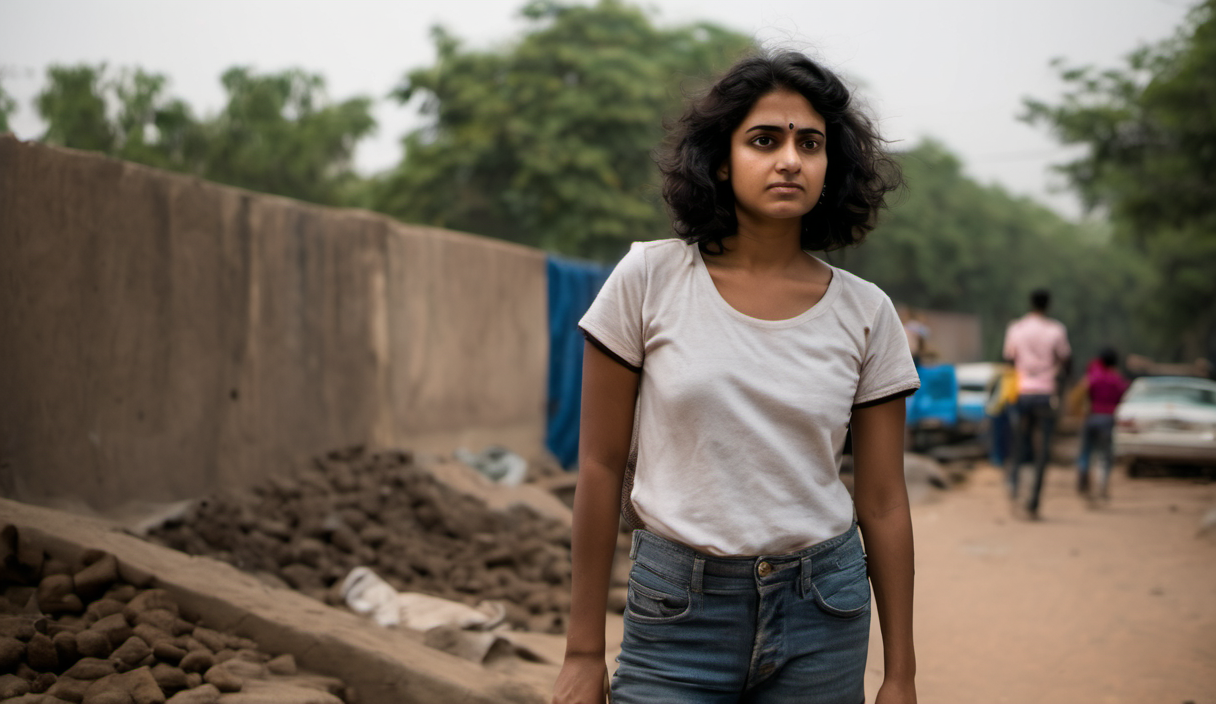
Featured image: Illustration for “Neha Bora: Gen Z Protester Challenging Modi in India”. AI-generated image; not a photograph of the reported event.
Neha Bora is one of the most visible faces in India’s recent wave of youth-led protests. The 29-year-old is a PhD student at Jawaharlal Nehru University (JNU) and has been active with the All India Students’ Association (AISA) for over a decade. Source: bbc.co.uk.
Who Is Neha Bora?
Born in Uttarakhand, Neha moved between cities as a child due to their father’s military postings. They completed a master’s degree at Ambedkar University and are now pursuing a PhD at JNU.
Neha first gained attention during the Cockroach Janta Party (CJP)’s protests over education reforms. The movement called for the resignation of India’s Chief Election Commissioner (CEC) Gyanesh Kumar over allegations of manipulating electoral rolls.
Neha joined the protest alongside educationist Sonam Wangchuk, who began a hunger strike in support. While Wangchuk received widespread media attention, Neha’s combative speeches and continued fasting despite losing 8kg drew significant public notice.
Protest Actions and Public Response
Recent videos show Neha being dragged through Delhi streets by female police officers, climbing over barricades, and shouting slogans. Photos of them smiling while being carried away have gone viral on social media.
In a BBC Bangla interview, Neha said the attention is amplified by media coverage. ‘I know it happened in front of the camera,’ they said. ‘But I have seen all student activists with the Left doing the same things. It’s just that there is a camera on me.’
These actions have drawn criticism from family members. Neha’s parents are staunch supporters of the BJP, and the activist has faced family disagreements over their public criticism of Prime Minister Modi and Home Minister Amit Shah.
Legal and Safety Concerns
Last month, at least three police complaints were filed in Uttar Pradesh by BJP leaders, accusing Neha of making ‘objectionable remarks’. A separate police complaint was filed by AISA, alleging Neha received death threats.
In a protest in Jharkhand, a man allegedly threw ink at Neha. A photo shared on Instagram shows their face streaked with ink. Police detained the man, and the incident has become part of Neha’s public narrative as a ‘street fighter’.
Political Context and Significance
India’s youth-led protests are part of a broader challenge to Prime Minister Narendra Modi’s 12-year rule. The CJP, a Gen Z-led satirical movement, has been central to this effort, pushing for electoral reform and transparency.

Opposition parties, especially the Congress, have also taken to the streets. Videos of Rahul Gandhi and Priyanka Gandhi Vadra being jostled and detained have made headlines.
On 10 October, a major protest is planned at Jantar Mantar, led by the CJP and supported by AISA. Neha and AISA have confirmed their participation, stating they will return to the streets to ‘protect democracy’.
Why This Matters
Neha Bora represents a shift in Indian political engagement. Their visibility shows how Gen Z is using public protest to challenge established power structures.
As the streets have historically shaped Indian politics, Neha’s actions reflect a broader trend: youth-led movements using direct action to demand accountability.
While the Election Commission and BJP have rejected allegations of electoral manipulation, the protests signal growing public dissent over governance and transparency.
Neha’s story is not just about one person. It reflects a wider movement of students and young activists asserting their role in national politics.
As protests continue, the role of youth in shaping democratic discourse in India will likely grow in significance.
- Neha Bora is a PhD student at Jawaharlal Nehru University.
- They are a member of the All India Students’ Association (AISA).
- Neha joined the Cockroach Janta Party (CJP) protest over education reforms.
- They have faced police complaints and family disagreements due to public activism.
- Protests are set to resume at Jantar Mantar.
For more on youth activism in India, see the BBC’s coverage of the Cockroach Janta Party.
Explore how student movements are reshaping political engagement in India through this original report.