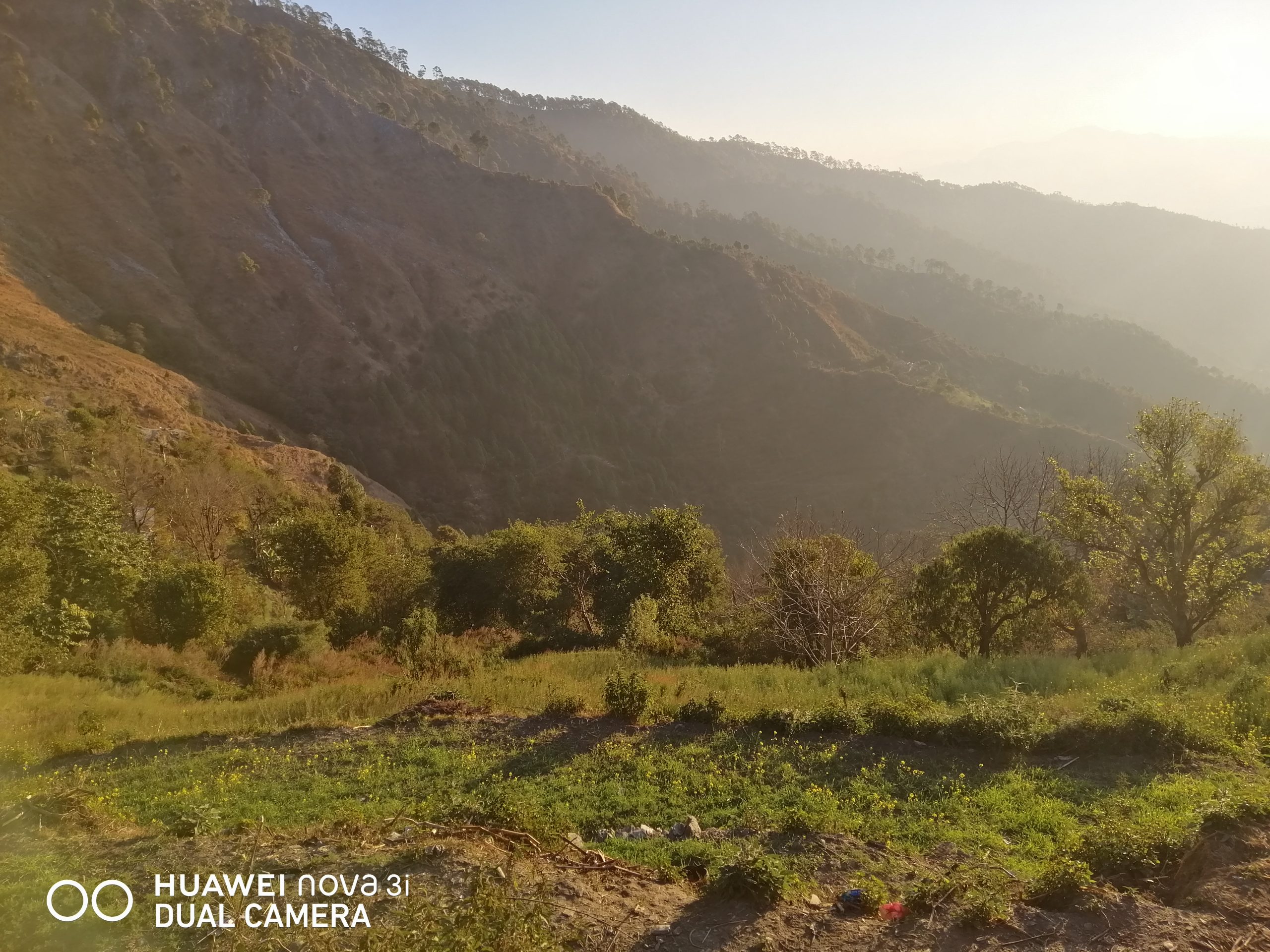
Nepal has proposed a new initiative to strengthen climate resilience across the Himalayas by uniting India, China, and Nepal in a shared response to environmental threats. Source: bbc.co.uk.
What Nepal Proposed
At the UN General Assembly, Prime Minister Balendra Shah highlighted growing climate-related disaster risks in the Himalayas.
He cited the August debris floods in Nepal, which caused loss of life and widespread infrastructure damage.
Shah introduced a Himalayan Climate Resilience Mechanism to improve cross-border disaster response and scientific data sharing.
He said: Let the Himalayas become a laboratory of international co-operation rather than a frontier of fragmented information.
Early Stage, No Formal Response
A senior foreign ministry official, speaking anonymously, said the proposal is still in its early phase.
The ministry is working with agencies to build a preliminary framework for shared understanding.
To date, neither India nor China has responded officially. The BBC has contacted both foreign ministries for comment.
Why the Himalayas Are at Risk
Temperatures in the Himalayas are rising faster than the global average.
This has caused rapid glacier retreat and permafrost thaw, increasing risks of landslides, rockfalls, avalanches, and glacial lake outburst floods.
These events often cross borders, threatening communities, infrastructure, and livelihoods downstream.
Scientific Evidence of Accelerating Ice Loss
A report by the International Centre for Integrated Mountain Development found Himalayan glaciers are melting at an accelerating rate.
Kang Shichang, director of China’s Institute of Mountain Hazards and Environment, said glaciers on the Qinghai-Tibet Plateau have shrunk over six decades.
The plateau now has more than 14,000 glacial lakes, covering over 1,100 square kilometers, according to People’s Daily.
Projected Rise in Landslide Hazards
A 2024 study published by the American Geophysical Union forecasts rising landslide risks across the Himalayas and Tibet.
The greatest relative increase is projected on the Tibetan Plateau, though the highest absolute risks are in India’s Garhwal and Kumaon regions and Nepal.
Downstream Impacts and River Systems
Major rivers like the Ganges, Brahmaputra, and Sutlej begin on the Tibetan Plateau and flow through India, Nepal, and Bhutan.
Melting glaciers are making river flows erratic—seasonal patterns are becoming unpredictable, with weaker summer flows and sudden monsoon surges.
This affects agriculture, water access, and hydropower. In Uttarakhand’s Kumaon region, farmers face inconsistent irrigation and lower crop yields.
In Nepal’s Terai, communities rely on seasonal river flows for drinking water and livestock. Droughts or floods can disrupt livelihoods.
History of Past Efforts
In 2009, India and China agreed to joint research on Himalayan glacier impacts.
India’s environment minister Jairam Ramesh announced a collaboration between the Wadia Institute and China’s Cold and Arid Regions Research Institute.
Dr DP Dobhal, a retired glaciologist, said the effort ended after one meeting. He said: One meeting was held between us and the Chinese side and that was it, nothing came out of it.
He added: What happened after that no one knows.
Broken Data Sharing Agreements
India and China once shared hydrological data for rivers like the Brahmaputra and Sutlej.
Kirti Vardhan Singh, India’s junior foreign minister, said both agreements have expired.
China stopped sharing Brahmaputra data in June 2023. India has not received Sutlej data since 2022.
China has not explained the pause. In 2017, during a military standoff, it cited technical issues in Tibet as the reason.
Why Cooperation Is Difficult
India and China share a disputed Himalayan frontier with repeated military standoffs along the Line of Actual Control.
Climate data—like river flows and glacial changes—can also have military value.
Walter Ladwig of RUSI noted: What climate scientists see as essential research data may look like strategic intelligence to national security agencies in a contested border zone.
Challenges in Transboundary Data Sharing
Arjun Bhakta Shrestha, former ICIMOD specialist, said upstream nations often avoid sharing full river flow data.
Such data could reveal water reserves, reservoir capacity, and potential military uses.
He recommends starting with less sensitive data—like hazard maps and early-warning indicators—instead of full hydrological records.
Practical Steps for Climate Action
Dr Uday Kala of IIT Mandi suggests starting with clear, actionable steps:
- Identify high-risk glacial lakes and landslide zones together
- Agree on data-sharing rules that define what is shared and what is confidential
- Set up real-time monitoring with shared alert thresholds
- Develop a joint disaster response plan with rapid communication and evacuation procedures
He emphasized: Climate change is moving the baseline itself; catching up with the previous disaster is no longer enough. We need to anticipate the next one.
What to Watch Next
Recent India-China diplomatic talks—such as high-level meetings and renewed trade discussions—suggest possible openings for climate cooperation.
William Yang, senior analyst at the International Crisis Group, says: These developments suggest there might be more room for the three countries to explore climate-related co-operation.
He warns, however, that Beijing will remain cautious due to unresolved border disputes.
Remaining Uncertainties
There is no formal agreement between India and China on Himalayan climate impacts.
Nepal must convince China to join, despite deep-seated mistrust.
Without trust, even basic data-sharing or early-warning systems may not happen.
Nepal’s proposal highlights the urgent need for regional climate action. It also shows how geopolitical tensions shape environmental collaboration.
The Himalayas are not just a natural landscape—they are a place where environmental risk and political rivalry intersect.
For the first time, a small nation is urging two major powers to act together on a shared environmental threat.
Read the original report on BBC News
Sources & further reading
Featured image: Himalayan Nepal.jpg by Ezpef, CC BY-SA 4.0, via Wikimedia Commons. Image source · License