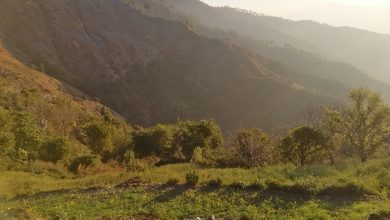
Laax, a ski resort nestled in the Swiss Alps near the Austrian border, stands at a pivotal moment in the history of winter tourism. While some areas have seen dramatic shifts—shaggy yellow grass replacing snowfields and sleet falling in what meteorologists describe as a British winter—Laax remains snow-secure. This resilience is not merely a matter of geography; it reflects a deeper, more intentional approach to sustainability that is redefining how winter resorts can respond to climate change.
Climate Challenges in Alpine Regions
Climate change is reshaping the alpine environment in profound ways. Lower elevations, once accustomed to reliable snow cover, are now experiencing unprecedented winter conditions. These include prolonged periods of slush, erratic precipitation, and early snowmelt, which have disrupted traditional winter sports operations. The phenomenon is not isolated—it is part of a broader trend observed across Europe, where warming temperatures are altering seasonal patterns. However, higher elevations like Laax offer a critical refuge.
What makes Laax unique is not just its elevation, but its proactive response to these environmental shifts. Rather than simply adapting to changing conditions, the resort has embedded climate resilience into its core operations. This includes a comprehensive strategy to become carbon neutral by 2030—an ambitious target that spans energy, transportation, waste, and recreation.
Laax’s Green Transition Plan
The journey toward carbon neutrality began with a vision that transcended traditional ski resort thinking. Reto Gurtner, CEO of Flims Laax, recalls his formative years in the 1970s, when winter sports were met with resistance. Local ski outfitters refused to stock snowboards, and farmers were outraged by the sight of mountain cyclists. To ease tensions, Gurtner’s team introduced cycling bibs—what he describes as a small but symbolic gesture that turned skepticism into acceptance. This moment illustrates a broader cultural shift: one where innovation is not imposed, but welcomed through inclusivity and community engagement.
Today, that vision is embodied in the concept of ‘greenstyle’—a philosophy that blends environmental responsibility with cultural freedom. It celebrates creativity, inclusivity, and sustainability without sacrificing the joy of winter sports. This approach is evident in every aspect of the resort, from infrastructure to daily operations.
On-Demand Gondola System
Laax has implemented a smart gondola system in the neighbouring village of Flims. Unlike traditional lifts that operate on fixed schedules and often carry empty gondolas, the new system uses real-time demand data to dispatch individual gondolas. A complex algorithm evaluates passenger requests and dispatches vehicles only when needed. This innovation significantly reduces energy consumption and idle time. As local guide Doris Rellstab explains, the system ensures that each gondola serves only those who need it, balancing efficiency with environmental responsibility.
Chemical-Free Snow Cannon Technology
Most Alpine ski resorts rely on snow cannons to supplement natural snowfall. These cannons typically inject chemical additives into water to enhance snow production, a practice that raises environmental concerns due to potential contamination of soil and water systems. Laax, however, has chosen a different path. Its snow cannons operate using only water and sustainable energy sources—such as hydroelectric power—without any chemical or biological additives. The resulting snow is more durable, especially under melting conditions, and does not contribute to long-term ecological damage.

Electric Piste-Grooming Machinery
Traditional ski run maintenance has historically relied on diesel-powered grooming machines, which emit significant carbon dioxide and particulate matter. Laax has replaced these with electric grooming equipment. These machines operate silently and produce zero direct emissions, making them ideal for preserving air quality and reducing the resort’s overall carbon footprint. The shift is not only environmentally sound—it also enhances the visitor experience by minimizing noise pollution in sensitive alpine zones.
Wildlife and Ecosystem Recovery
Climate change is not just affecting snow—it is reshaping alpine ecosystems. In Laax’s region, the return of wolves and lynx is one of the most striking signs of ecological recovery. The first Alpine wolf pack was recorded in 1993, and by 2021 there were over 250 wolves in Switzerland, with an annual growth rate of approximately 25%. This expansion suggests that retreating snowlines may be creating new habitats, allowing species to expand their range.
Rellstab shares that rare Alpine flowers now bloom in summer, and snow hares are frequently spotted in the valleys. These signs indicate a broader recovery of biodiversity. The presence of wolves, in particular, is a powerful indicator of ecosystem health. While conflicts with farmers and hunters remain, the overall trend points to a resilient and evolving natural environment.
Community and Cultural Shifts
Laax’s transformation is not just technological—it is deeply cultural. The introduction of snowboarding, mountain biking, and freestyle sports in the 1970s was initially met with resistance. Reto Gurtner recalls studying economics in California, where he discovered the ethos of skateboarding. The freedom of expression, the absence of nationalism, and the emphasis on personal achievement resonated with him. He brought that spirit back to Laax, where it has since evolved into a cultural cornerstone.
Today, the resort hosts diverse groups—such as a recent class of Arab visitors—demonstrating that winter sports can be inclusive and accessible. This cultural openness is a key component of greenstyle. It reflects a belief that sustainability is not a constraint, but a foundation for innovation and community connection.
Why This Matters
Laax offers a compelling model for how winter resorts can adapt to climate change without abandoning their core values. Unlike oil-dependent desert states, ski resorts are not solely reliant on one resource. Laax shows that a diversified winter economy—built on biking, freestyle sports, hiking, and community engagement—can remain resilient and vibrant.

Its approach demonstrates that sustainability does not require sacrificing tradition or access. Instead, it can be woven into daily operations, cultural identity, and visitor experiences. The on-demand gondola, chemical-free snow cannons, and electric grooming are not isolated innovations—they are part of a holistic vision that values both people and the planet.
Limitations and Open Questions
Despite its progress, Laax’s model faces challenges. Long-term snow reliability remains uncertain, especially as global warming continues. While higher elevations provide a buffer, future climate scenarios could still impact snow cover. Additionally, the scalability of this model to larger resorts or regions is still under investigation. The success of Laax may depend on local geography, elevation, and community commitment.
Moreover, the full impact of climate change on alpine ecosystems—such as potential habitat loss or species displacement—is still being studied. As the world continues to warm, the balance between human activity and natural systems will require ongoing monitoring and adaptation.
What to Watch Next
Laax’s journey will be closely watched as climate change reshapes winter tourism. Future developments may include:
- Expansion of electric infrastructure across the resort, including charging stations for e-bikes and e-skis.
- Greater integration of digital monitoring systems to track snow conditions, wildlife movements, and energy usage in real time.
- Broader adoption of greenstyle principles by other Alpine resorts, potentially leading to a new standard for sustainable winter tourism.
The story of Laax is not just about snow. It’s about how communities adapt to environmental change with innovation, humility, and cultural pride. A local guide, Doris Rellstab, notes that wildlife is doing well in the region. She says, ‘Wildlife is doing well here. The wolf and lynx have both returned.’ According to a CCTV report from a few hours earlier, a wolf had walked within a mile of the author. Outside the hotel, the author waits for a line of silent electric vehicles to pass. The silence of electric vehicles and the howl of the wolf—both signs of a world in transition—reminded the author that climate change is not just a future threat. It is already here, shaping what we see, hear, and experience.
The trip was provided by Flims Laax and rental equipment by Ecoski. Trains run from Zurich via Chur and the Rhine Gorge to Ilanz, where there’s a bus service to Laax. Inghams offers a seven-night trip to Laax from £1,618pp B&B;, including flights.
Read the original article on The Guardian
Sources & further reading
Featured image: original publisher image. Via original publisher. Image source