
The Nobel Prize in Physiology or Medicine 2026 has been awarded to US psychiatrist and neurologist Karl Deisseroth, along with German colleagues Peter Hegemann and Georg Nagel.
What Happened
The prize recognizes their foundational work in optogenetics — a technique that allows scientists to control nerve cells using light.
By using light to activate or silence specific neurons, the researchers enabled unprecedented observation of how brain circuits generate feelings, memories, and behaviors.
Key Facts
- The award was announced by the Nobel Committee in 2026.
- The work has advanced understanding of neural circuits behind emotions and memory.
- It has direct implications for treating neurological and psychiatric disorders.
- Researchers are now using the method to restore vision in people with visual impairments.
Background: How Optogenetics Works
Optogenetics combines genetics and optics. Scientists modify neurons to respond to light.
When a specific light signal is applied, the neurons activate or deactivate — allowing researchers to observe real-time brain activity.
This precision enables scientists to trace how neural pathways generate specific emotions or memories.
Why It Matters
The research has opened new pathways for understanding mental health conditions such as depression and anxiety.
It provides a tool to map how brain circuits relate to emotional states, which could lead to more targeted therapies.
Currently, clinical applications include efforts to restore sight in individuals with visual impairments using light-sensitive retinal cells.
Applications in Clinical Medicine
One of the most promising applications of optogenetics is in restoring vision for people with certain types of visual impairment.
By introducing light-sensitive proteins into retinal cells, researchers can re-establish the ability to perceive light and form images, offering hope to those with conditions like retinitis pigmentosa.
Early trials have shown that patients can detect light patterns and even recognize shapes, marking a significant step forward in regenerative medicine.
Limitations and Open Questions
While the technique is powerful, it is still primarily used in animal models.
Translating findings to human patients remains a challenge due to differences in brain structure and complexity.
How emotions are formed in humans — especially complex feelings like grief or joy — is not yet fully understood through this method.
What to Watch Next
Future research will focus on refining optogenetic tools for human use.
Scientists aim to develop non-invasive methods that can be applied in clinical settings.
Long-term studies may reveal how specific brain circuits influence behavior and mental health.
The Nobel Committee praised the trio for laying the foundation of a new era in neuroscience.
They described the work as revealing the neural circuits behind ‘specific memories, feelings, and behaviours relevant for neurological and psychiatric disorders’.
For more on how brain science is shaping modern medicine, see our coverage of the Nobel Prize in Physiology or Medicine 2026.
Explore how neuroscience is transforming mental health care in our Health section.
Learn about emerging brain technologies in our Science coverage.
Sources & further reading
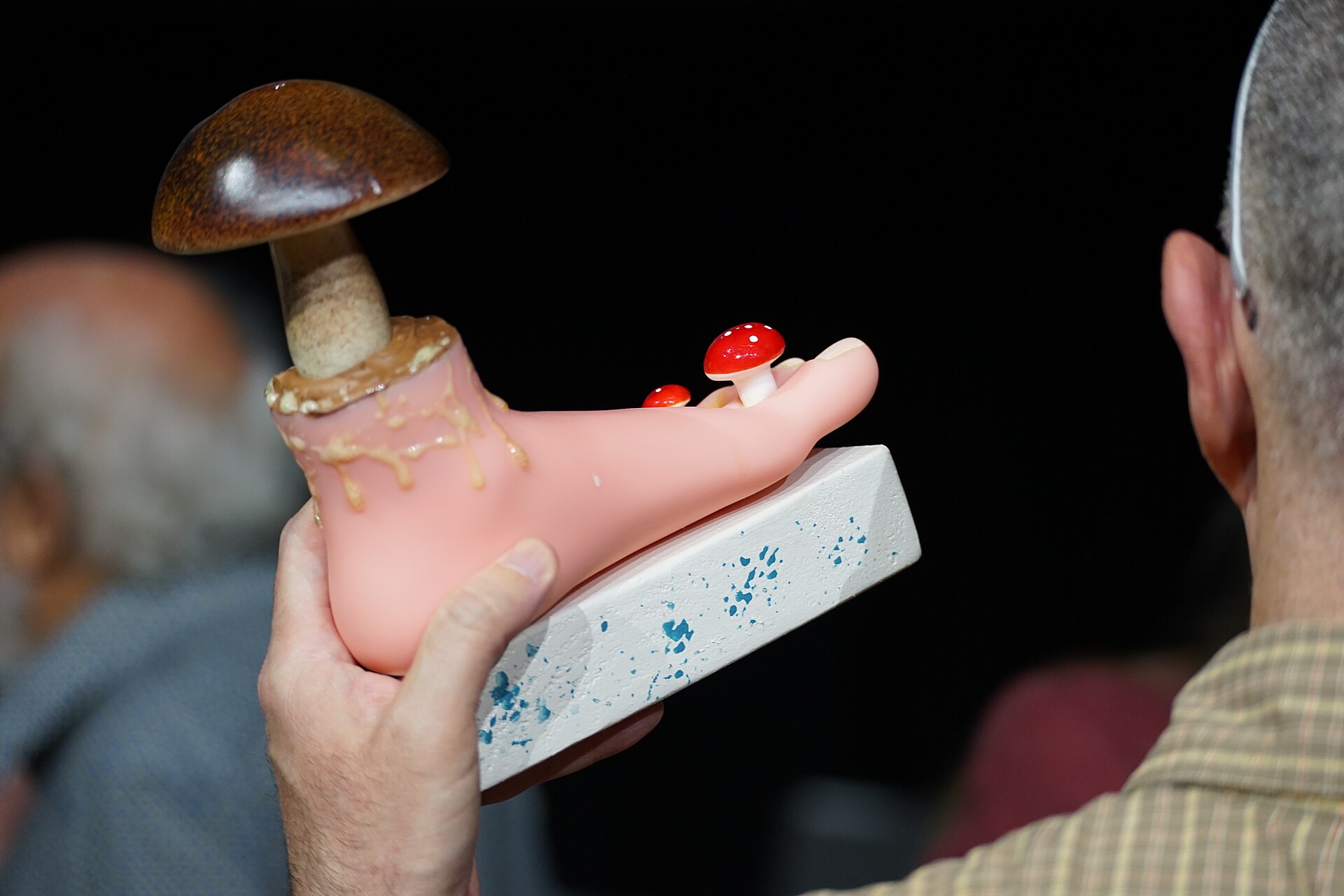
Featured image: 36th Ig Nobel Prize Ceremony Zurich 006.jpg by Albinfo, CC BY 4.0, via Wikimedia Commons. Image source · License