Memory doesn’t always decline with age. A new study shows one kind of memory remains stable or improves as people grow older.
What Happened in the Study
Psychologist Emily E. Davis and her team at the University of Toronto tested how older and younger adults process learned connections between everyday objects.
Participants saw images of common items — like a spoon or a book — with a word written over them. For example, a coffee mug might have ‘cup’ above it.
They judged whether the two items could fit in a desk drawer. The task didn’t ask them to remember the pairings. Instead, it measured how fast they responded to familiar combinations.
Each pair appeared twice. Later, some pairs were changed — like swapping ‘cup’ for ‘bottle’. Researchers then watched how participants reacted to the original pairs.
Participants responded faster to familiar pairings. This is called associative priming. It shows a learned connection between a picture and a word — without conscious recall.
Key Findings
- Younger adults showed a 16-millisecond response benefit, meaning faster reactions to familiar pairings.
- Older adults had a 34-millisecond benefit, indicating slower overall responses, though the effect still existed.
- Within each group, the priming effect was only statistically significant in older adults.
- Both groups answered above chance. Younger adults were significantly more accurate.
- Brain scans found no overall age differences in memory-related activity patterns.
- Older adults showed higher activity in the right posterior hippocampus when viewing paired items. This region helps connect pieces of information.
- Higher activity in the perirhinal cortex — involved in object recognition — linked to stronger priming. This was especially true on the right side of the brain.
How the Study Works
The study focuses on implicit memory — connections formed through experience, not conscious effort.
For example, seeing a neighbor with a dog repeatedly might lead you to think of them when you see the dog alone — without trying to recall the link.
Participants didn’t need to remember the pairings. The system measured response speed. This avoids the mental strain of explicit recall, making it a better tool for older adults.
Brain scans showed activity in key memory regions. The hippocampus showed increased activity in older adults during familiar pairings. This might be a compensatory adjustment.
The perirhinal cortex showed a link between activity and priming strength. This suggests the brain combines visual and written inputs into a single memory unit — even if participants don’t notice it.
Why It Matters
Many believe memory declines with age — especially in recall tasks. This study shows that one form of memory — implicit associative memory — stays stable or is preserved.
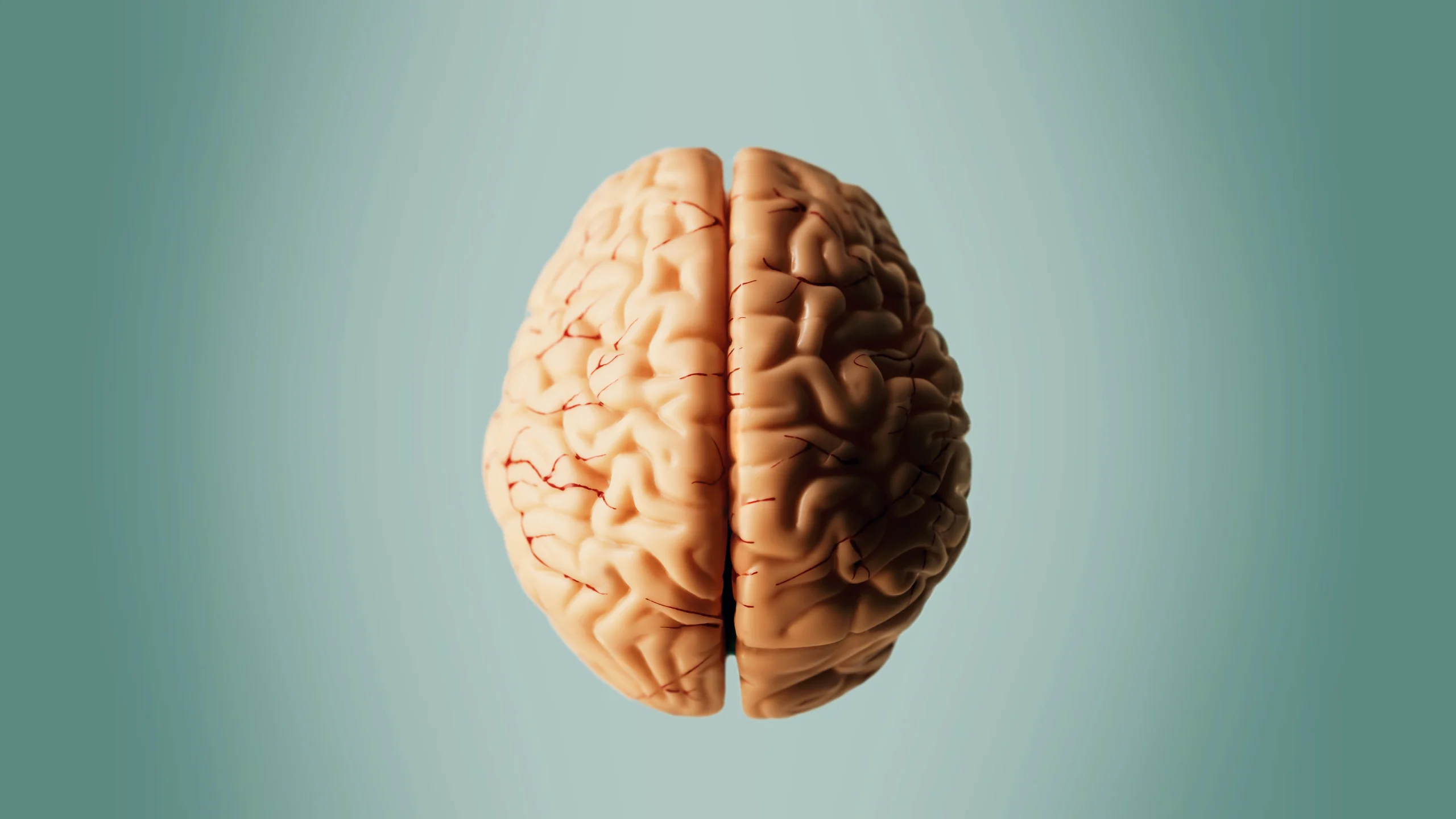
Memory isn’t one system. Different types behave differently with age. Understanding which forms remain intact could improve support for older adults.
If implicit memory is preserved, routines that use repeated exposure — like daily visual or verbal cues — might be more effective than traditional memory training.
Limitations and Open Questions
The sample was small: 28 younger adults and 25 older adults. This limits how widely the results can be applied.
Older participants had higher education, better vocabulary, and more head movement during scans. These factors could affect results and introduce bias.
The study compared age groups at one point in time. It didn’t follow individuals over time. Long-term changes in memory remain unclear.
A prior review in Perspectives on Psychological Science suggests age-related memory changes may reflect brain reorganization — not decline. This means the brain adapts to maintain function. This study adds to that idea but doesn’t confirm it.
The research is not peer-reviewed. It’s posted as a preprint on bioRxiv. It did not test memory training or treatments. More research is needed to see if learning strategies can strengthen these connections.
What to Watch Next
Future studies must replicate these results with larger, more diverse groups to confirm the findings.
Researchers may explore how implicit memory changes with age. They could test whether repeated exposure to object-word pairings strengthens these learned connections.
As more research emerges, understanding preserved memory could help design better tools for older adults — like assistive apps or daily routines that support implicit learning.
The full study is available on ScienceAlert.
Sources & further reading
Featured image: A Drug Combo That Mimics Thin Mountain Air Treated Parkinson's Symptoms in Mice. Via original publisher. Image source