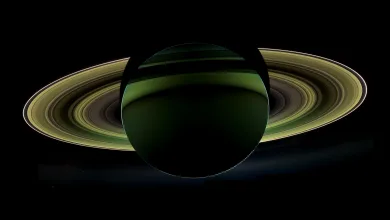
Wolves howl for communication, not the moon. Source: livescience.com.
Contrary to popular myths, wolves do not howl because they see the moon. The idea that moonlight triggers howling is a cultural misconception, not a biological one.
What Wolves Actually Howl For
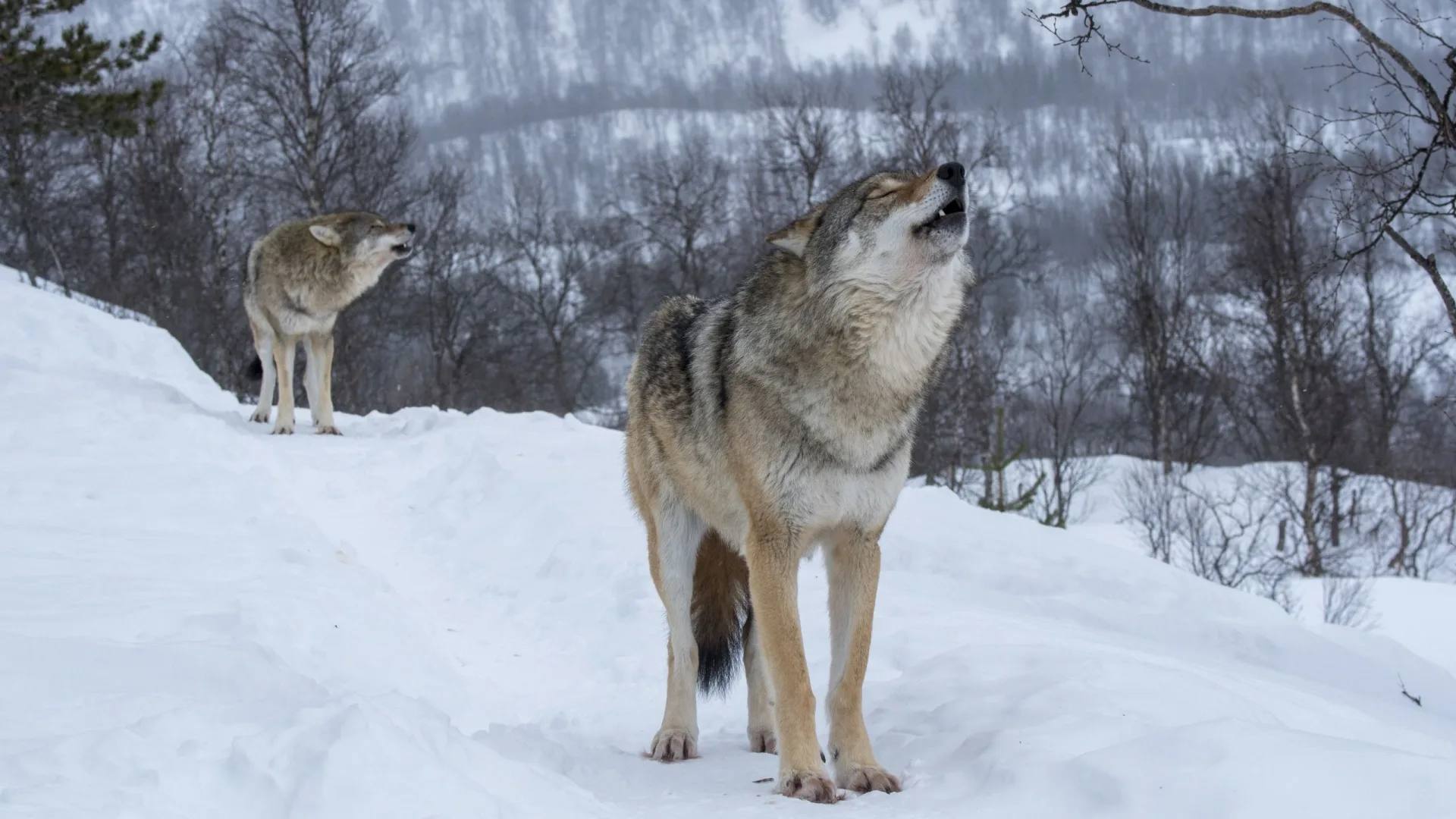
Wolves howl primarily to communicate over long distances. This behavior helps maintain social bonds within a pack and coordinates movements across rugged terrain.
Howling serves several key functions:
- Establishing territory boundaries
- Calling members of the pack
- Coordinating group movements
- Warning of threats or disturbances
These functions are especially vital in environments where visibility is limited—such as dense forests or snowy landscapes—where sound travels farther than sight.
How the Behavior Works in the Wild
Wolves use a complex vocalization system. Howling is not random. It has specific patterns and frequencies that vary by pack, region, and individual.
Research from the University of Cambridge shows that howls contain distinct pitch and rhythm patterns. These patterns act like a signature, allowing wolves to identify pack members and recognize one another.
Dr. Arik Kershenbaum, a researcher at the University of Cambridge’s animal behavior lab, explains that howling is a form of social signaling. It helps maintain cohesion and reduces the need for physical contact in large, spread-out groups.
Field studies at the Cambridge Zoo have observed howling patterns in real-time. These show that howling often occurs during specific times—such as dusk or dawn—when visibility is low and sound travels more efficiently.
Scientific Evidence and Research
Studies published in scientific journals, including one from ScienceDirect, confirm that howling is a learned behavior shaped by social interaction and environmental conditions.
Dr. Farago Tamás from Eötvös Loránd University in Hungary notes that howling is not a reflex to moonlight. Instead, it is a behavior that develops through repeated use and group reinforcement.
There is no evidence that wolves howl in response to lunar cycles. The moon’s presence does not trigger howling. The timing of howls is more closely linked to daily routines and pack activity.
Why the Myth Persists
Many cultures have long associated wolves with the moon. In folklore, wolves are often depicted howling at night under the moonlight.
These stories may have originated from early human observations of wolf behavior at night. Over time, the connection between wolves and moonlight became symbolic, even though it lacks scientific basis.
Such myths are common in oral traditions and are often passed down without critical examination. They reflect human imagination more than biological reality.
Limitations and Open Questions
While the primary reasons for howling are well-documented, some aspects remain under study.
For example, researchers are still exploring how howling varies across different wolf species and habitats. Differences in howl patterns may reflect environmental adaptation or genetic variation.
Also, howling may serve additional functions in certain contexts—such as during mating seasons or when a pup is separated from the pack—but these are not yet fully understood.
Current research does not support any link between howling and lunar cycles. The idea that wolves howl at the moon is not backed by empirical data.
What to Watch Next
Future studies may focus on how howling evolves in response to human-wildlife interactions. As urban areas expand, wolves may adapt their vocalizations to new environments.
Monitoring howling patterns in different regions could help scientists understand how animal communication evolves under changing conditions.
Sources & further reading
Featured image: Two wolves howling in the snow.. Via original publisher. Image source