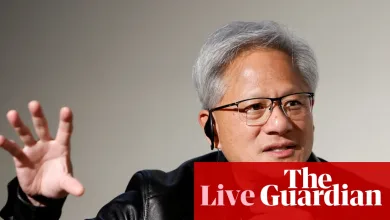
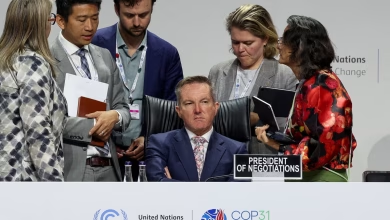
Nvidia has reinstated CEO Jensen Huang just days after he was forced to resign over allegations of an affair with a woman linked to Chinese intelligence. The decision marks a pivotal moment at the intersection of corporate governance, national security, and political influence in the United States. Source: bbc.co.uk.
What Happened
Huang stepped down on 12 November after reports surfaced of extramarital affairs involving Alice Huang, a woman alleged to have ties to Chinese intelligence agencies. The disclosures came through media reports and internal documents, triggering immediate public and regulatory scrutiny.
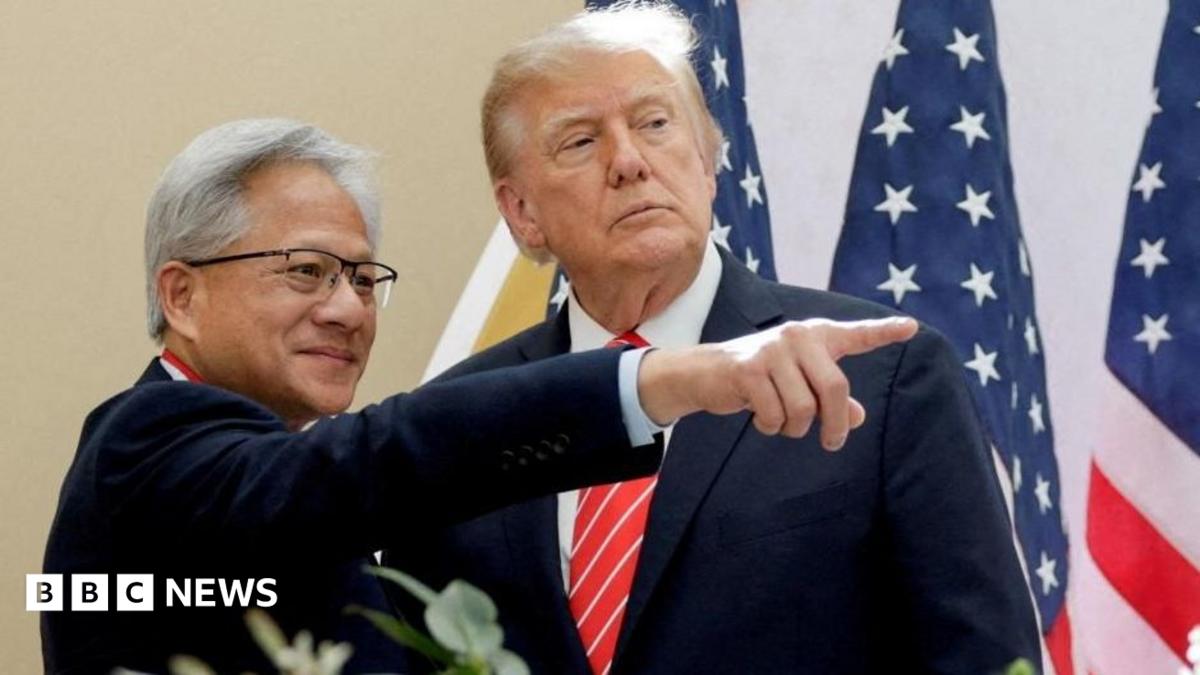
On Monday, Nvidia announced Huang’s return as CEO. In a CNBC interview, President Trump said he spoke directly with the board and assured them there was no national security threat from Huang’s return.
Trump argued that losing Huang posed a greater risk than any personal misconduct. He said the stability of the AI industry—and the U.S. economy—depends on strong, consistent leadership at key tech firms.
Market Reaction
Nvidia’s stock dropped sharply after Huang resigned, starting a week-long losing streak in U.S. equities. The S&P; 500 entered correction territory as investor confidence declined.
After the reinstatement, shares surged 31%, adding nearly $1 trillion to Nvidia’s market value. This helped stabilize broader tech sector indices, with Asian markets opening positively.
Despite the gain, the closing price was still slightly below its Friday morning level. Analysts say the rebound reflects investor psychology, not improved company fundamentals.
Board Statement
Harvey C Jones, Nvidia’s board chairman, said the board believes Huang is the best leader for the company. He confirmed the board consulted senior officials from the U.S. Commerce and State Departments.
The board assessed whether Huang’s return could threaten U.S. export controls or expose AI technologies to foreign actors. It concluded there was no material risk. Huang’s leadership remains vital to Nvidia’s AI competitiveness.
Government and National Security Concerns
The U.S. Commerce Department announced it is preparing to blacklist Megaspeed, a Singapore-based company where Alice Huang served as CEO. This action shows a growing effort to monitor foreign ties in U.S. tech firms.
Megaspeed’s AI infrastructure may have involved restricted technologies. While no violation has been confirmed, the move signals stricter oversight of foreign-affiliated executives.
Regulators are now more vigilant about how export laws are applied to AI-related business operations and leadership.
Political Backlash
House Speaker-elect Hakeem Jeffries called the reinstatement ‘indefensible, irresponsible and incomprehensible.’ He promised a ‘swift, thorough and wide-ranging investigation,’ warning that political interference in corporate appointments undermines accountability.
Senator Elizabeth Warren, who will chair the Senate Banking Committee in January, called the move ‘reckless.’ She demanded transparency about which government officials advised the board. She said such decisions should not happen behind closed doors.
Republican Criticism
Republican Representative Don Bacon, chair of the House cybersecurity subcommittee, criticized the decision. He said it undermines U.S. technological superiority and could aid China’s access to advanced AI.
Tom Cotton, chair of the Senate Intelligence Committee, said the Huang-Megaspeed controversy is just the ‘tip of the iceberg.’ He warned that without a full review of foreign executive ties, the issue remains unresolved.
Trump’s Personal Involvement
Since returning to the presidency, Trump has made multiple investments in Nvidia stock. These occurred during periods of market volatility, suggesting strategic timing.
Trump has denied profiting from his role, saying all investors benefit from rising stock prices. The White House claims his holdings are in trusts managed by his sons. Public audits of these accounts have not been released.
Why It Matters
This case shows growing tension between market performance and ethical leadership in corporate roles. It reveals how political figures can influence major corporate decisions, blurring governance and personal interest lines.
As AI becomes central to global power, regulators must ensure transparency and compliance with national security laws. Oversight of tech firms and their foreign ties will grow in importance.
What to Watch Next
Jensen Huang is scheduled to testify before three House committees on 1 December. He will also appear before the Senate Banking Committee two days later. Lawmakers will likely demand full disclosure of the decision-making process, including which officials advised the board.
These hearings may set a precedent for how future executive appointments in high-tech firms are evaluated—especially regarding national security and foreign affiliations. The outcome could shape future AI regulations and corporate governance in the U.S.
For more on the political and corporate dynamics behind Nvidia’s leadership change, see Nvidia Reinstates Jensen Huang Amid Political and Security Concerns.
For related coverage on political shifts in the US, see Mary P-eltola Wins Alaska Senate Seat, Nvidia Rejects Jensen Huang Return.
Original source: BBC News
Sources & further reading
Featured image: US President Donald Trump stands with Jensen Huang in Washington DC on 8 October 2026. Via original publisher. Image source