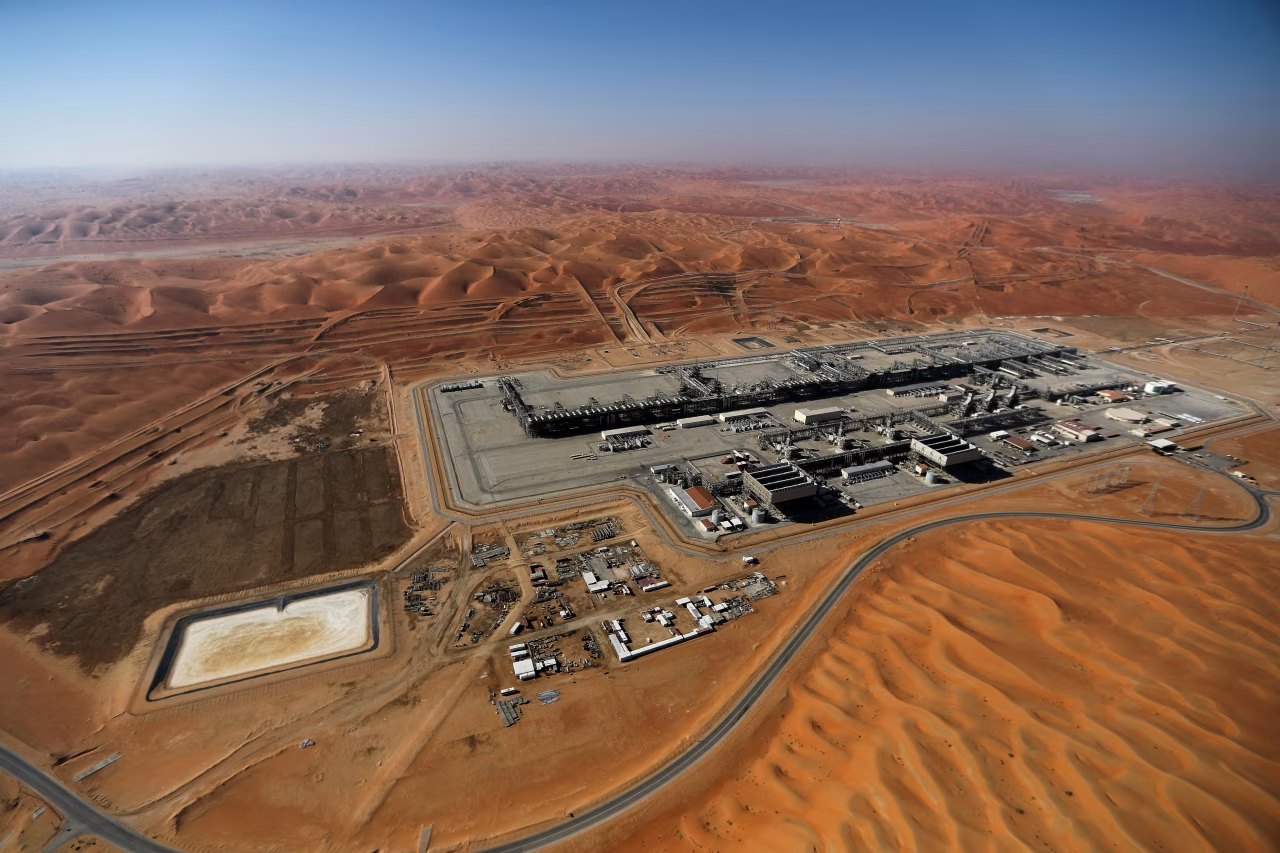
Oil prices rose more than 2% on Thursday, with Brent crude surpassing $111 per barrel. The increase reflects ongoing market concerns about attacks on Saudi Arabia’s energy infrastructure and the potential for renewed U.S.-Iran tensions. Source: wsj.com.
What Happened
Brent crude climbed above $111 a barrel, marking a rise of over 2% from the previous session. The move followed reports of recent attacks on Saudi oil facilities and heightened warnings about possible escalations between Iran and U.S. forces in the region.
Traders are closely monitoring developments in the Persian Gulf.
Key Facts
- Brent crude rose above $111 per barrel.
- Price gains reflect concerns over Saudi energy infrastructure.
- U.S.-Iran tensions remain a key risk factor.
- Market activity is driven by real-time geopolitical developments.
As of Thursday, the price of West Texas Intermediate (WTI) was also higher than the previous day, though not as sharply as Brent. The difference between the two benchmarks is typically small, but it highlights regional sentiment.
Background: How the Market Works
Oil prices are sensitive to supply disruptions and geopolitical risks. Saudi Arabia, as the world’s largest oil exporter, plays a central role in global supply stability.
Any incident that threatens Saudi oil production—such as sabotage or attacks—can trigger immediate price spikes. The market reacts not just to the event, but to the perceived likelihood of future disruptions.
Traders use a range of indicators, including shipping data, production reports, and political signals. Recent attacks on Saudi facilities have raised alarms, even if no major output cuts have been confirmed.
Why It Matters
Oil prices affect inflation, transportation costs, and energy budgets globally. A sustained rise in prices can ripple through economies, especially in countries reliant on imported energy.
For consumers, higher oil prices mean increased costs for fuel, heating, and transportation. For businesses, it can raise operating expenses and reduce profit margins.
Markets also react to broader geopolitical signals. A conflict between U.S. and Iran could disrupt shipping lanes or trigger a broader regional instability.
Limitations and Open Questions
There is no confirmed evidence that attacks on Saudi facilities have caused a significant drop in daily output. The extent of damage remains unclear.
While U.S.-Iran tensions are elevated, no direct military action has been reported. The situation is still being assessed by intelligence and diplomatic channels.
Market reactions are based on risk perception, not confirmed events. This means prices may rise even when no actual disruption occurs.
What to Watch Next
Traders and analysts will closely monitor:
- Official statements from Saudi authorities about facility safety.
- Updates from U.S. and Iranian officials on diplomatic developments.
- Shipping data showing whether oil exports from the Gulf are being affected.
Any new developments could shift market sentiment quickly. The current price level reflects a cautious outlook, not a full-scale crisis.
For readers concerned about energy costs, rural communities in the UK are already facing higher heating oil prices due to global supply shifts.
Sources & further reading
Featured image: original publisher image. Via original publisher. Image source