PlaqueboyMax has launched a music competition called Rising Star, designed to spotlight emerging rappers in the underground rap scene. The event represents a pivotal moment in how music is discovered, developed, and shared in the digital age — one where live creation, real-time audience interaction, and authentic artist expression are no longer niche concepts but central pillars of the industry.
What Happened: A Weekend of Live Music Creation
The format was built like traditional music competitions — such as Star Search or American Idol — but with a key difference: music was made live, in real time, under viewers’ eyes.
Each contestant had a dedicated studio space. There, they composed original tracks, recorded vocals, and polished their performances. Viewers watched the entire process — from first ideas to final mixes — and interacted with the artists through live chat, comments, and real-time feedback.
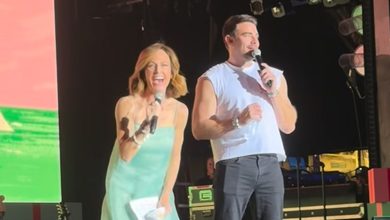
The final performance took place at the Belasco Theater in Los Angeles. The venue is known for hosting groundbreaking live events. The stage had intimate lighting, a live audience, and digital screens showing real-time streams. This created a hybrid experience — blending physical performance with digital reach.
How the Competition Works
PlaqueboyMax has long run livestreams. His In the Booth series lets viewers watch music being made in real time. In Song Wars, he presented songs for audience judgment, letting fans decide which tracks gained traction.
These formats led to Rising Star. The goal wasn’t just to show music. It was to build deeper connections between artists and fans. Max wanted to move beyond passive watching. He aimed for a more interactive experience — one where viewers become co-creators in the artistic journey.
Each day followed a clear structure: morning brainstorming, midday recording, afternoon critique, and evening performance prep. This helped artists grow not just in music, but in confidence, stage presence, and how they share their vision with an audience.
Panel of Judges
Max chose three judges: himself, Lil Yachty, and creators Cuffem and Funny Marco. He picked them for influence and authenticity, not fame. He wanted people he respects — individuals who offer honest, grounded feedback without performing for the audience.
Yachty, with a long career and consistent output, gave sharp, direct feedback. Max remembers him spending five minutes on each artist. He asked pointed questions — about creative blocks, personal expression, and balancing art with appeal.
Max says the feedback was meant to help. He stresses that no artist felt offended. Some were frustrated with critiques or fan vote results. But he doesn’t say any took the experience the wrong way. All remained passionate and committed — a sign of the resilience common in emerging artists.
Who Won and Why
Matt Proxy won the competition. He’s an underground rapper known for experimental sounds and emotionally charged lyrics. His style resists genre labels — a sign of authenticity in Max’s eyes.
Max says Proxy stands out because he doesn’t fit into any single category. That, he says, is what he values most in new artists. In an era of genre trends and algorithmic choices, Proxy’s refusal to conform shows strong artistic integrity.
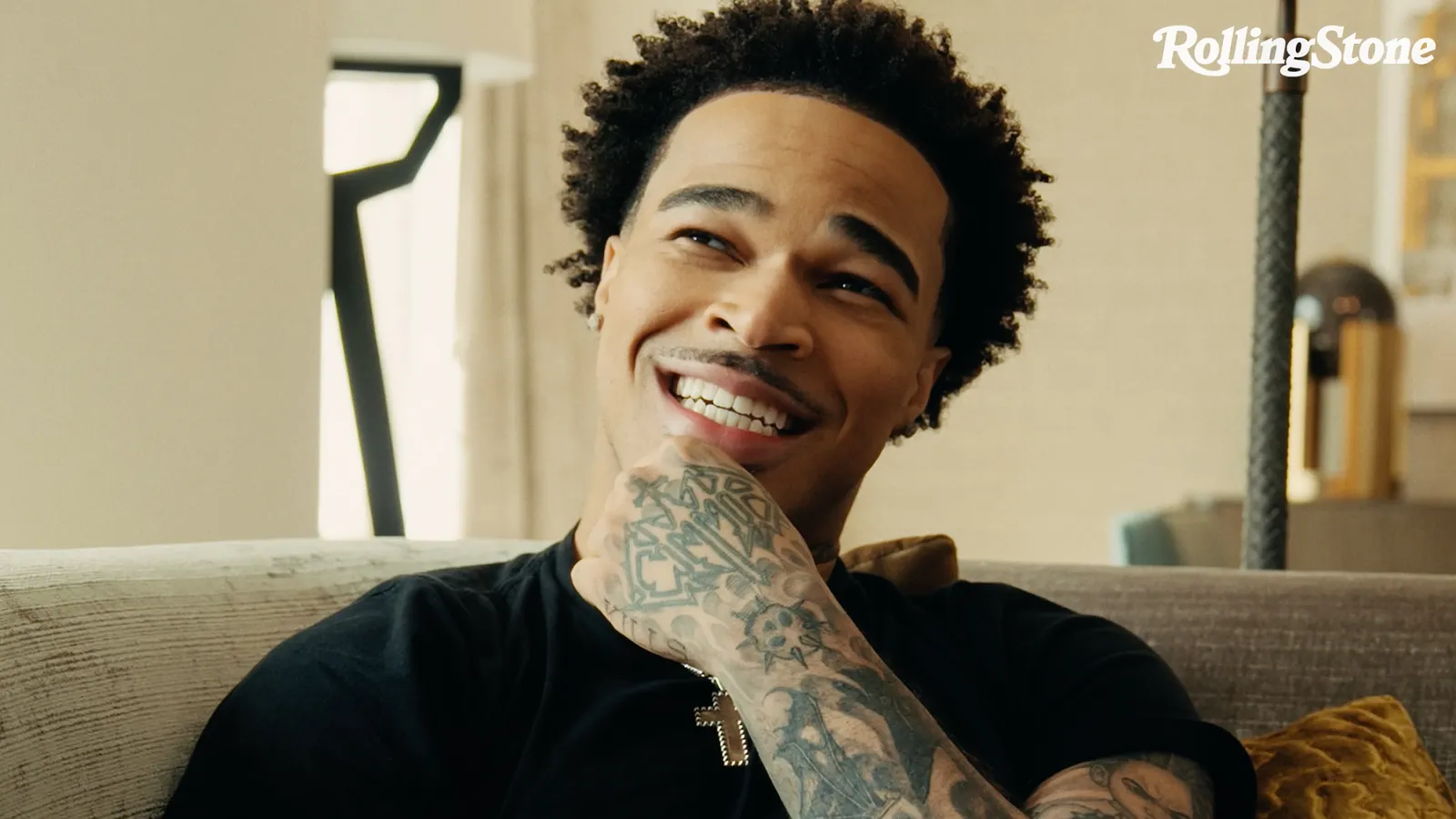
Max first saw Proxy in a video earlier in the year. By the time he began researching contestants, he already knew the music. This is part of his regular practice: he asks his chat to send him new artists he hasn’t heard. People recommend what they like. He listens — a habit that reflects his role as both streamer and music curator.
Proxy won $25,000 and access to Red Bull’s music studio in Los Angeles. The prize included studio time, mentorship, and professional development. Red Bull’s studio is known for high-quality facilities and industry connections. This access offers a rare chance for emerging artists to grow with expert guidance.
Why This Matters
PlaqueboyMax’s Rising Star shows how streaming platforms are evolving. They’re no longer just for passive viewing. They’re becoming active spaces for artist development. By giving artists a weekend to create and perform, the competition bridges online visibility and real-world exposure.
It also proves fans can directly shape the music industry. Votes and real-time engagement play a core role in selection. The fan vote helped determine final placements — showing that audience input is not a side note, but a central part of artistic choice.
Limitations and Open Questions
The competition remains small-scale. It doesn’t represent a broad industry shift. There’s no public data on how many similar events have happened or how many artists have gone on to achieve mainstream success.
Also, the event isn’t open to all. Selection depends on online presence and visibility. This may exclude artists from underrepresented communities or regions. Max acknowledges the event is still evolving. He plans to refine the format and may launch regional editions or partner with music schools to expand access.
What to Watch Next
PlaqueboyMax is already working on a new album. It will blend his experience as a streamer with his role as a music curator and mentor. The project will feature collaborations with some Rising Star contestants, giving fans a deeper look at how the competition shaped the music.
He has also said he wants to expand Rising Star. Possible next steps include adding more artists, launching regional editions, or partnering with music schools. For now, the competition stands as a meaningful experiment in how music discovery can be democratized through digital platforms.
For fans of underground rap, Rising Star offers a rare window into the creative process of today’s next-generation artists — one that is both intimate and accessible.
Learn more about how streaming platforms are reshaping music discovery with Grand Theft Auto VI music cameos.
Sources & further reading
Featured image: Screenshot. Via original publisher. Image source