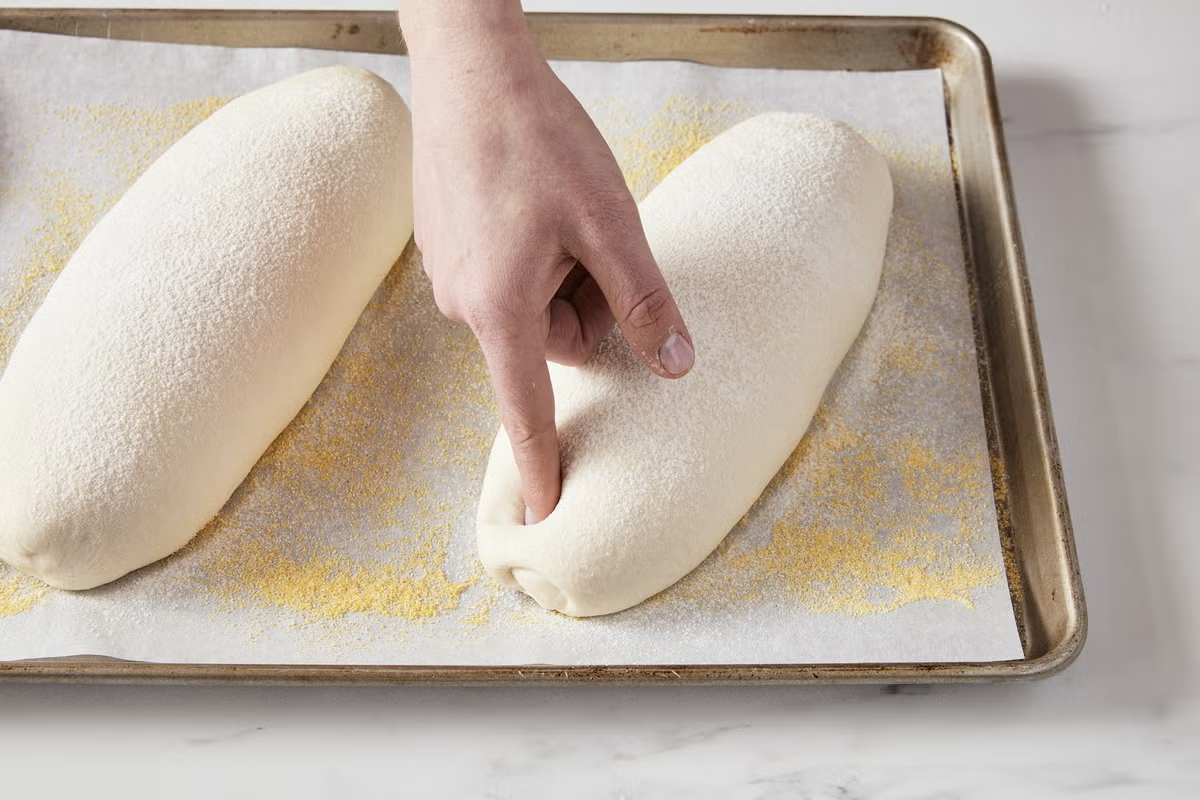
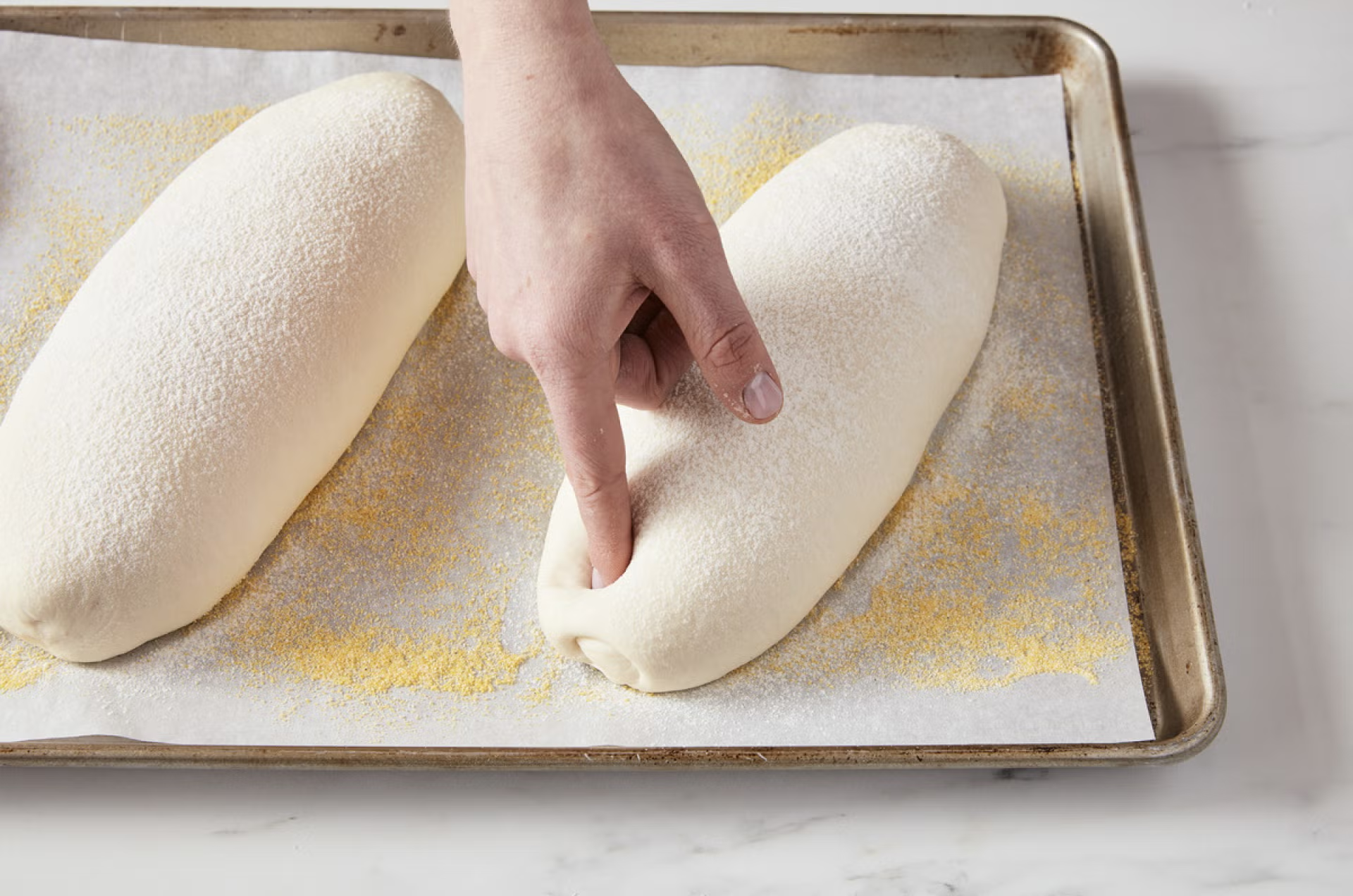
Proofing bread is a crucial step in baking. It allows yeast to ferment and expand the dough, giving bread its structure and rise. But finding a consistent, humid, draft-free environment can be hard—especially in colder months. Source: kingarthurbaking.com.
Why Proofing Matters
During proofing, yeast consumes sugars and produces carbon dioxide. This gas forms bubbles in the dough, leading to a light, airy texture when baked.
Without proper proofing, bread may be dense, flat, or fail to rise at all.
Why Your Oven Works
Many home kitchens lack a dedicated proofing space. A counter may be too cold or too dry, especially in winter.
But your oven can serve this purpose—without needing to be turned on. The key is using the oven’s interior as a stable, humid environment.
How to Use Your Oven for Proofing
- Place a baking sheet or tray inside the oven.
- Fill a small bowl with warm water and place it on the tray.
- Close the oven door and let it sit for a few minutes.
- After the water heats, turn off the oven and leave the door slightly ajar.
- Place your dough in a bowl, cover with a damp cloth, and place it inside the oven.
This method creates a stable, humid environment. The warm water maintains a consistent temperature, while the oven’s sealed space prevents drafts.
What the Source Says
Author PJ Hamel, a long-time employee and owner of King Arthur Baking, writes from experience. He notes that many bakers have tried this method and found it effective.
He emphasizes that the oven doesn’t need to be hot. The goal is to maintain a warm, humid environment—not to bake or cook.
For those without a proofing box or dehumidifier, this is a simple, accessible solution.
Limitations and Considerations
Not all ovens are equal. Older models may have poor insulation or uneven heat distribution.
Some ovens may not retain humidity well, especially if the door is closed tightly. A small gap helps prevent drying out.
Using a water-filled tray helps, but the water may evaporate over time.
Proofing times vary by recipe. A sourdough starter may need longer than a simple white bread.
Why This Matters to Home Bakers
Many bakers rely on kitchen counters for proofing. In winter, these areas can be too cold or dry.
Using the oven is a practical fix. It turns a common kitchen tool into a proofing solution—without extra equipment.
It’s especially useful for those who bake frequently and don’t have access to commercial proofing boxes.
The method is simple, cost-free, and backed by experienced bakers. It reflects a practical approach to home baking.
For more tips on bread-making, visit the King Arthur Baking Blog.
Sources & further reading
Featured image: original publisher image. Via original publisher. Image source