A retired professor has found a new purpose in life — analyzing Taylor Swift’s lyrics with scholarly precision.
How a Retired Scholar Became a Taylor Swift Analyst
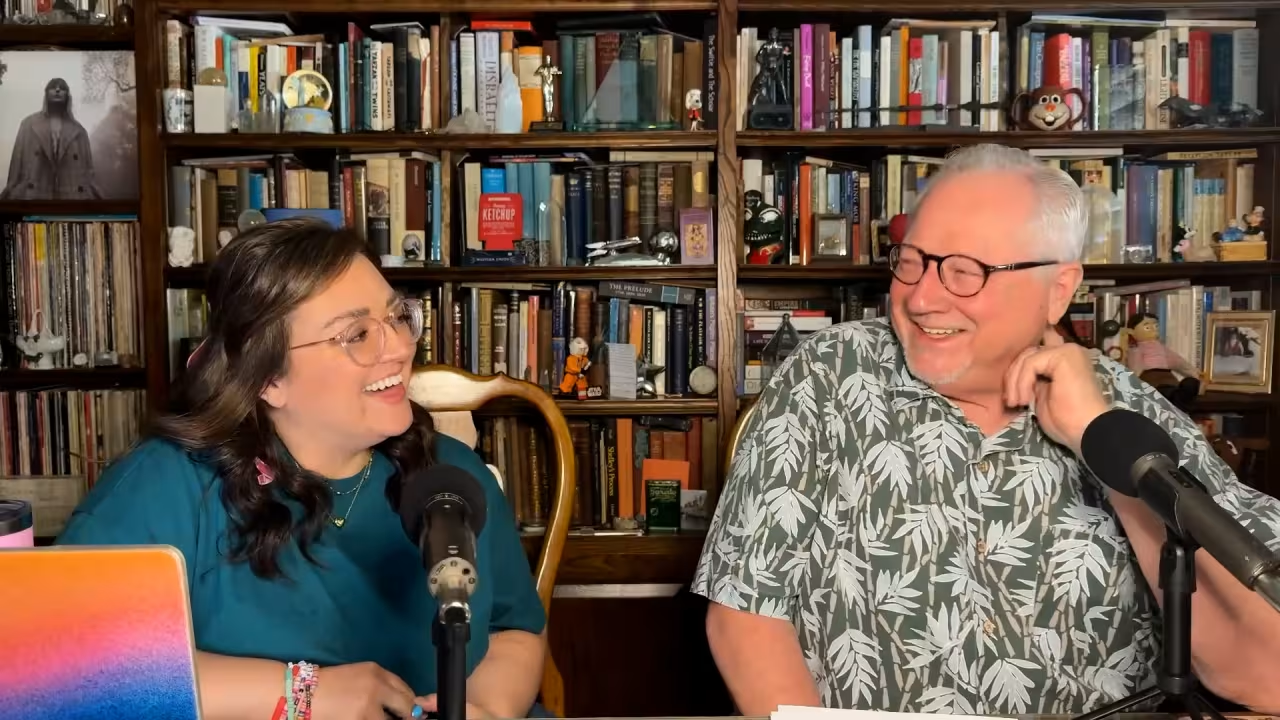
His niece convinced him to spend his retirement analyzing Taylor Swift lyrics. Now he’s a successful podcaster at 72.
His niece first suggested the idea during a casual conversation. She said Swift’s music felt deeply personal and emotionally resonant — a quality she believed could be studied like any other cultural artifact.
Dr. Hargrove, who previously taught literature and American history, was initially skeptical. But after listening to several of Swift’s albums, he began to see patterns in her storytelling, imagery, and emotional arcs.
From Classroom to Podcast
He started recording short audio notes, analyzing how Swift uses metaphors, recurring themes, and narrative structure. These evolved into a podcast titled Swiftly Analyzed.
Episodes cover topics like the evolution of Swift’s lyrical voice, her use of gendered language, and how personal experiences shape her songwriting.
One episode, titled ‘The Language of Grief,’ examines how Swift portrays loss in songs like ‘All Too Well’ and ‘Cruel Summer.’ Dr. Hargrove notes that Swift often uses intimate details — like specific places or objects — to anchor emotional scenes.
- He identifies recurring motifs such as memory, identity, and transformation.
- He compares Swift’s lyrics to classic American literature, especially works by Sylvia Plath and Robert Frost.
- He emphasizes how Swift’s music reflects the emotional lives of modern audiences.
Why This Matters in Cultural Context
Swift’s music has become a cultural touchstone. Her lyrics are widely shared, interpreted, and discussed across social media and academic circles.
Dr. Hargrove’s work adds a layer of academic rigor to these conversations. It shows that popular music can be studied with the same depth as classical literature or film.
His approach bridges two worlds: the academic and the popular. It demonstrates how older professionals can adapt to new cultural trends without losing intellectual integrity.
Limitations and Open Questions
Not all experts agree with his method. Some academics argue that analyzing lyrics as literature oversimplifies the emotional and performative aspects of music.
Others point out that Swift’s songs often contain personal, unverified details — making them difficult to analyze objectively.
Dr. Hargrove acknowledges these limits. He says his goal is not to produce a definitive body of scholarship, but to offer thoughtful, accessible interpretations.
He also notes that Swift’s music is not just about storytelling — it’s about performance, audience connection, and real-time emotional expression.
What to Watch Next
Dr. Hargrove plans to release a new season of his podcast focused on Swift’s work during her ‘folk’ era — songs from the 2020s that explore themes of isolation and digital life.
He hopes to collaborate with musicologists and literary scholars to expand his analysis beyond individual songs.
His journey reflects a broader trend: older professionals re-engaging with digital culture to stay intellectually active and relevant.
For those interested in the intersection of music and academic study, his work offers a compelling example of how cultural engagement evolves with time and technology.
Original source: MarketWatch
Sources & further reading
Featured image: original publisher image. Via original publisher. Image source